Pheasants, Trees and a Garden

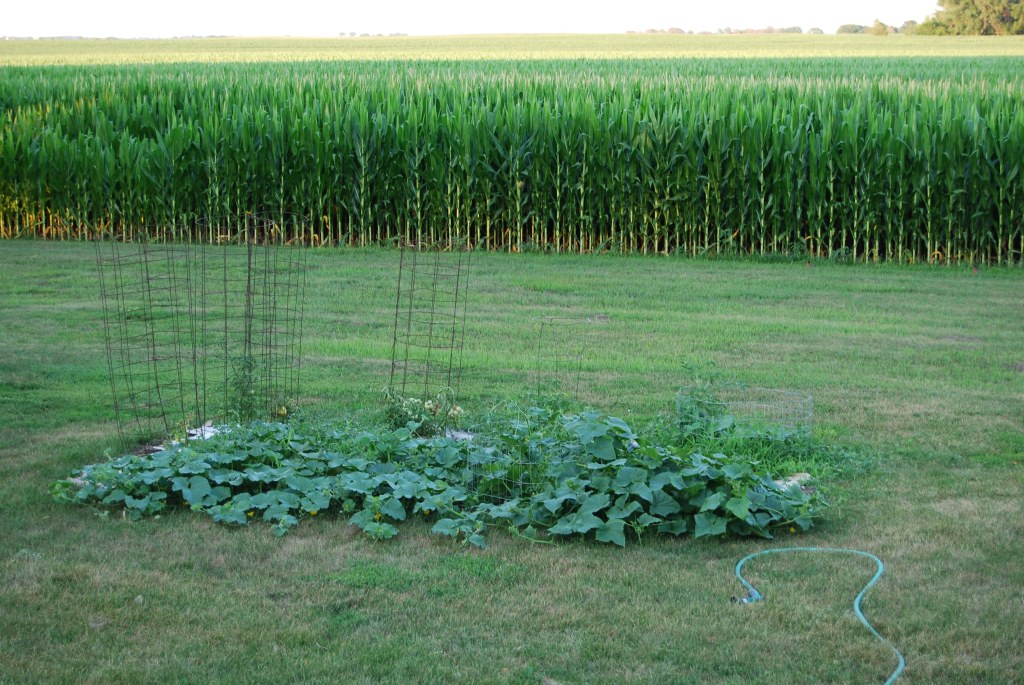
Our 2023 garden, so far

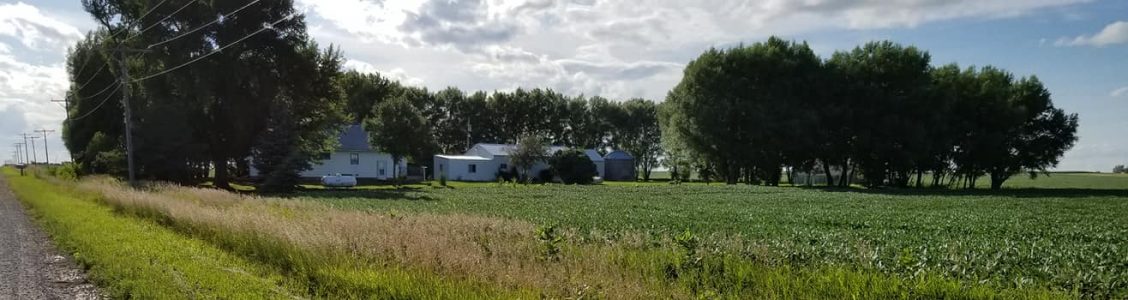
Since we have lived out here on our acreage we have heard pheasants, usually living in the ditches along the road. This year they have been coming closer, squawking around our yard. I have yet to see one on our property, but by the sound they are very close. You never know what might strut, flit, crawl, slither, hop or scamper across your place out here.

The guy we hired to cut down our dead ash trees backed out, so while we look for someone else to do the job some woodpeckers are making good use of them.

I spoke with a DNR forest biologist about our white willow trees (the crowns are dying) and his conclusion was they will either get better, or they won’t. (!) He explained they might be coming to the end of their natural lifespans, could be suffering from disease or insect infestation, but probably were not dying of drought. He said we could hire an arborist to check them out, but most likely there is nothing to be done. So we will wait and see. I might consult an arborist, or just let nature take its course.

Our mulberry trees produced a fine crop this spring that we were able to enjoy until the robins discovered the berries and stripped the trees of the rest. The garden is coming along okay so far this year, but as usual there is always something struggling. This year it is the tomato plants and the green pepper plant. A volunteer tomato plant grew up right next to the pepper plant, and I think I will let them battle it out.


Image of the Month

Young ballerinas show a marked contrast in concern over their auditions at the Boston Ballet School in Boston, Oct. 29, 1982. More than 500 youngsters tried out for a part in “The Nutcracker” which will be performed by the Boston Ballet in December. (AP Photo/Mike Kullen)

Dust, Willows and Sunsets

Fire Orange Sunset By David Jacobi

The dust control company finally came and sprayed the gravel road in front of our house. When the road is not treated with spray the wind will blow an incredible amount of dust across our acreage, making our place look like a civil war battlefield whenever a vehicle drives by. When treated it is much more enjoyable to work outside, and if the nights are cool we can open up the house.

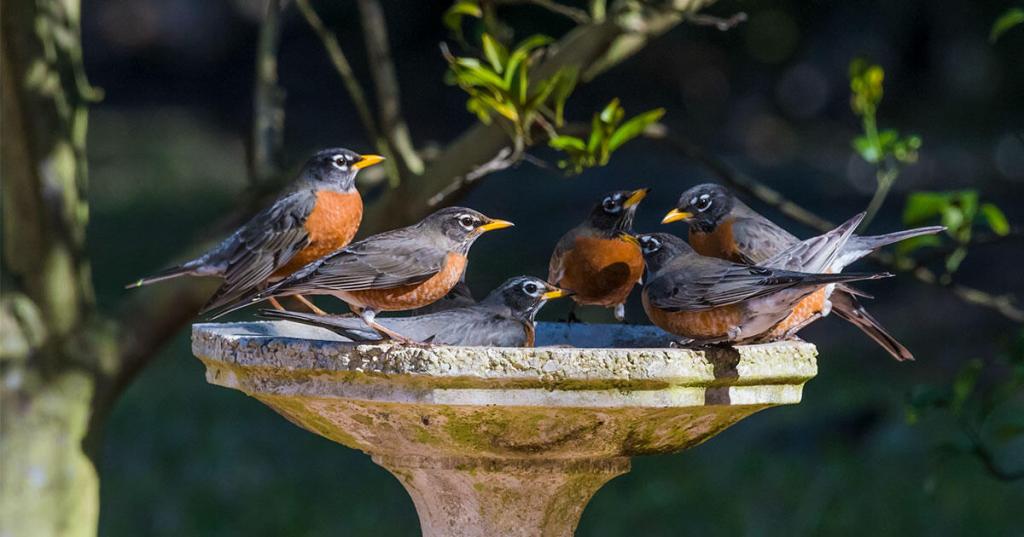
Broken record alert: rabbits are again all over the place. As are the robins.

We have had two white willow trees fall over so far this spring, and the crowns of over half of them are dying. We don’t know if it is disease, insects or drought, but it is a major concern as we have over 50 of them on the acreage. I have already spoken with our local extension office about it, and they recommended talking with the DNR, which is my next move.

The garden is planted and herbs and flowers (mostly) potted. This spring there have been just a few butterflies, bees and wasps flying about, however there are thousands of biting flies, and tiny flea type bugs that insist on exploring your ears, eyes, nose and hair. Sometimes I can put up with those but the flies will send me inside everytime they attack, as many times they will draw blood with their bites.

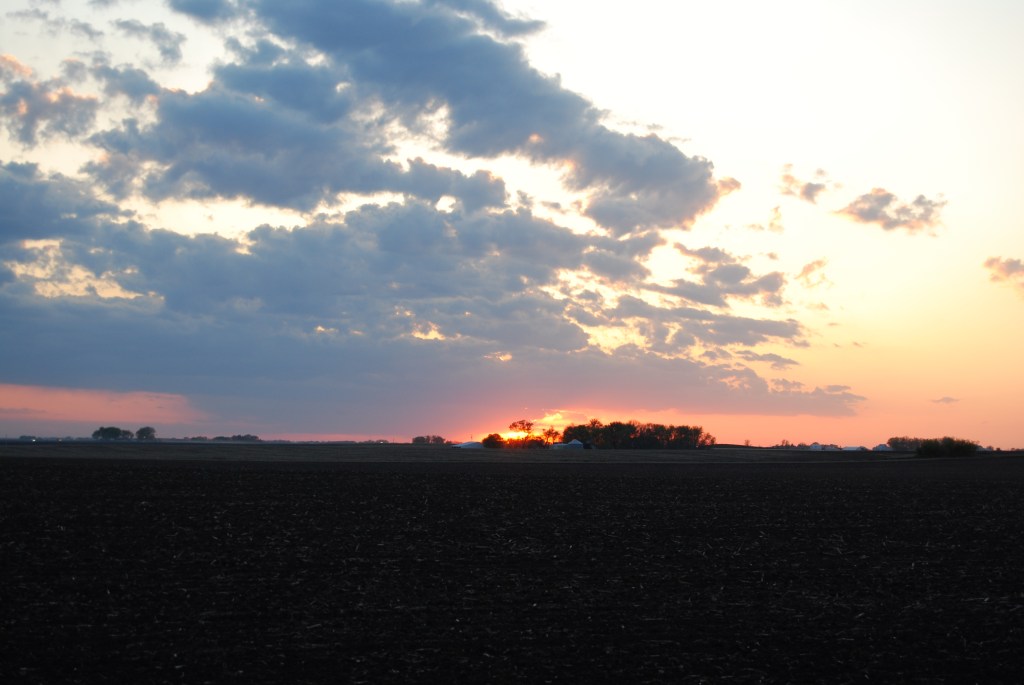
As with other parts of the country we have been occasionally experiencing the drifting smoke from the fires out west. The only good thing about that are the spectacular orange sunsets the smoke helps create.

The Long Rain and Moon

During a recent rainstorm that included a spectacular lighting show both south and north of us (somewhat rare) I had a niggling thought. Had I read something as a kid about it raining for centuries during early Earth? Or could it have even been longer? The next day I looked through my home library and found a book titled “Rocks All Around Us.” It had a copyright of 1959 and was obviously written for young people. It reads:

“Long ago the ball of rock on which we live was very hot. It was so hot that all the rock was melted. And for millions of years it stayed that way.

Then, little by little, the outside of the ball cooled off. A thin crust formed. It was stiff and solid. In some places it was wrinkled. Those wrinkles were the first mountains.

There were cracks in the crust. Steam and air shot out of the cracks. The steam made thick clouds that hung all around the earth. The clouds wouldn’t let the sun through even for a minute.

Then it began to rain. Never has there been such a rainstorm since. It rained and it rained, day and night, without letup. It rained for years. It rained for centuries. For the earth was still sizzling hot. As soon as the rain touched the earth, the water turned to steam. The steam would go up in clouds and come right down again as rain.

By and by the outside of our rock ball really cooled off. It got so cool that the rain stopped turning into steam. Between rains the sun came out. The rain water ran off the rocks. It flowed into the low places of the earth’s rock crust. Those low places became seas and lakes.

The lowest place of all was what we now call the Pacific Ocean. For there was an old, very deep scar here. It had formed before the rock crust had got quite stiff. A great mass of soft rock had flown off from this spot and shot up into space. It had become the moon.”

Much writing for young people has been enchanting to me through the years and I love how the very simple wording of the passage above flows so simply and beautifully.

As for the possible facts (also known as theories), several of my internet searches have brought up a handful of these rainy epochs during earth’s history. And there are several CGI videos online showing the earth being smashed into and peeling off the debris that would become the moon. Did the earth shed what would become our moon, and did it rain for possibly millions of years? Good things to ponder while enjoying a flashing thunderstorm or a glowing full moon.

A Formidable Circle


Alexis de Tocqueville

“I know of no country where, in general, there reigns less independence of mind and true freedom of discussion than in America,” Alexis de Tocqueville wrote in Volume 2, Chapter 7, of Democracy in America. “In America, the majority draws a formidable circle around thought. Within these limits, the writer is free; but woe to him if he dares to go beyond them. It isn’t that he has to fear an auto-da-fé, but he is exposed to all types of distasteful things and to everyday persecutions.”

Spring, Branches and Mowing

Round of Robins

The trees and bushes are sprouting and leafing, the grass is that very light but vivid green and the wind is blowing almost nonstop. We are still trying to clean up the acreage of all the winter-fall branches and sticks before the first mow of the season, which needs to happen soon. Because of the constant wind, some areas we have picked up five times now this spring. Dandelions are popping up all over the acreage, the Robins are either mating or already nesting and now there are baby bunnies hiding in the Iris beds or under the outbuildings. We hired a guy that works where our son does to cut down the seven dead ash trees that grew along the border of an old corn crib in the back of our yard. He works full time and does this on the side. Should be out to begin in a couple of weeks. Emerald Ash Borer has killed most all the ash trees in our area. We see the dead trees all around our county, big ones with branches hanging low, drooping and dropping, no buds or leaves, the bark sloughing off in big sheets. Today I took the freshly charged battery and some gas down to the shed where the lawnmower has rested for the cold months and it fired up first try! We had a very still day (hardly any wind) which is rare around here, and were able to burn a lot more sticks and branches. Our son came out and mowed for us while we tended the fire. A busy but good spring day.