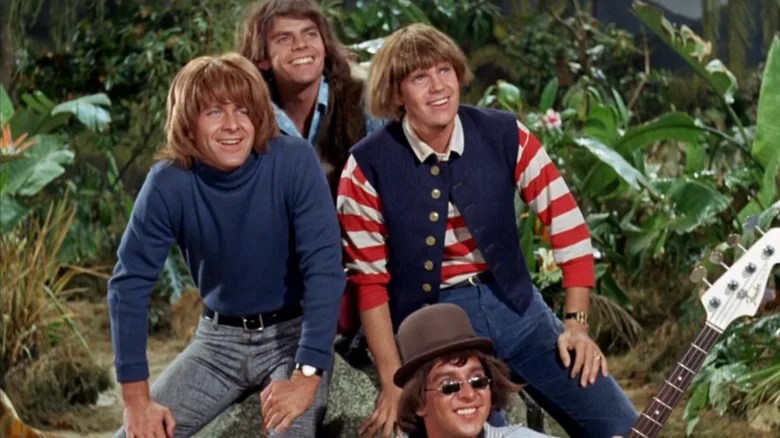
The Mosquitoes, Season Two, Episode 12 of Gilligan’s Island
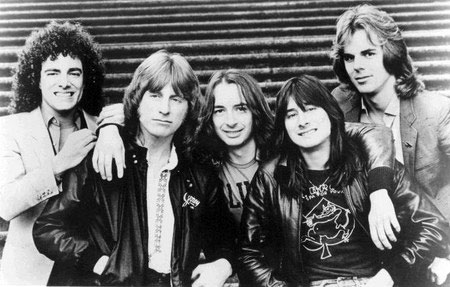
Today I would say I am not much of a fan of Gilligan’s Island. However, when I was a kid I watched the show every weekday when I got home from school, while eating some snacks and waiting for the other neighborhood kids to get home so we could gather and play. In the 1970’s it had become what used to be called a rerun, meaning it had already been broadcast on network TV, then syndicated. My favorite episodes involved someone accidentally finding the formerly deserted island and the castaways. The Mosquitoes was a (somewhat) fictional band modeled on The Beatles/Monkees/Byrds, who ended up on the island, and the rest of the plot doesn’t matter. The point of all this is watching that episode might be the earliest I remember being exposed to parody, understanding what that was, and thinking it was funny.
Side Note: The Mosquitoes episode also created The Gnats and The Honeybees, bands made up of the castaways.
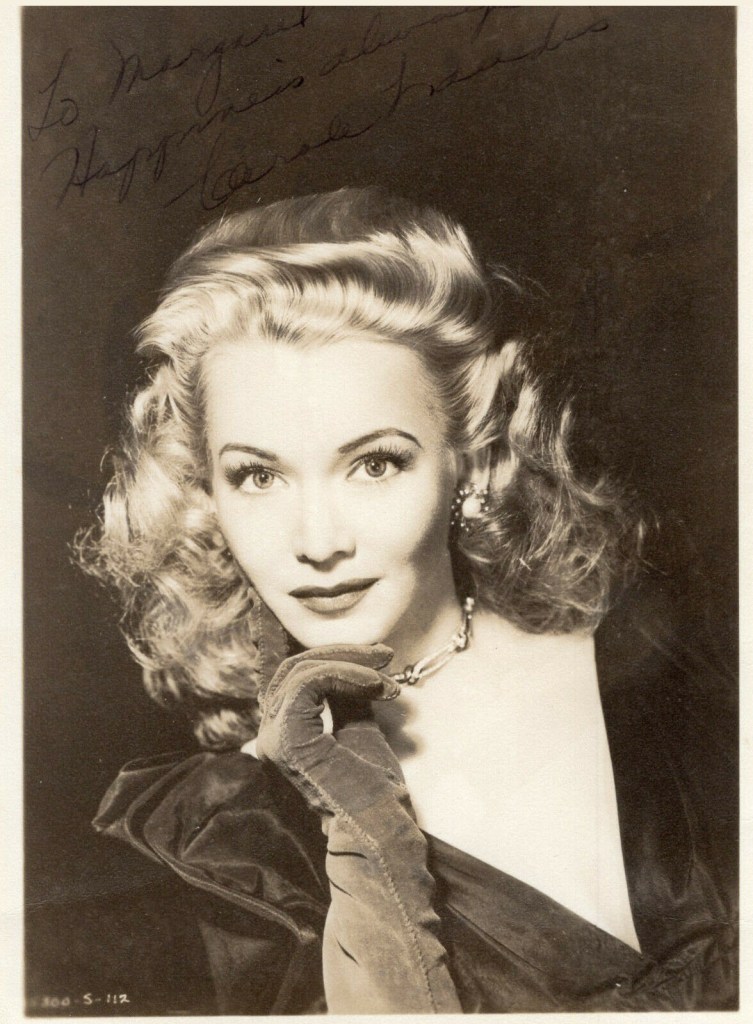
Carole Landis in some ways could be a prototype for Marylin Monroe, who was born later and lived longer than Carole. Both were beautiful, underrated actresses, changed their names, attempted to survive the Hollywood system in place at the time, and died tragic deaths.
While the world knows of Marylin, few remember Carole. The only reason I know of her is because of a distant family tie. My Great Aunt Evadna was married to Carole’s father, Al Ridste. This was after Carole had died, but Uncle Al still carried a photo of her in his wallet and was proud of his daughter.
Over the years Evadna and Al were married they would travel back to Iowa from their California home to visit friends and family. Al was a mechanic, and gifted me as a kid a child size set of hand tools, which I treasured for years. Al complained he could never get a truly cold glass of water, so my dad showed him a trick. He filled a glass with ice then slowly filled it with a trickle of water from the faucet, making sure the water was constantly running over the ice. Once full, he handed the glass to Al, who drank it down and said it was cold, but not as cold as he would have liked. Whenever I have used dads trick the water can be cold enough to hurt my teeth. On a different visit Al ended up with cake slicing duty. Things went well at first, but Al did not wipe the knife off between cuttings, eventually resulting in a giant mess of mangled cake. My dad had offered to help, but Al insisted on doing it himself.
Al was always very kind to me, and he and Evadna were a memorable couple to me as a child. They both seemed very old and loud (as do most people to a kid) and foreign, because I didn’t know them except for their trips to Iowa in the summer when the family welcomed them back. I remember Al being very animated and talkative while Evadna would stand back and observe and smile, watching with her piercing, pale blue eyes. I associated happiness with them because the family always welcomed them back with joy and open arms.
Over the years I have sought out and enjoyed some of the movies Carole Landis appears in, and I have read a few brief biographies of her. She seemed to be very thoughtful and caring, but emotionally vulnerable. She died at age 29 of suicide. Al died as the result of a car accident, and Evadna from Lupis and strokes. All three are buried in California.
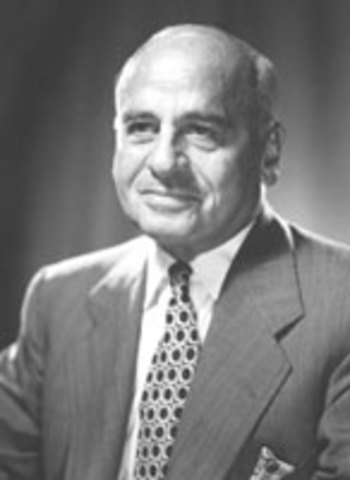
Joshua L. Cowen (1877-1965) began inventing things while still a child, and as an adult he patented the photography flash-lamp then secured a contract to produce mine fuses for the U.S. Navy. Another invention was a metal tube containing batteries with a light bulb on one end. His idea was to sell them to business owners to stick in their flowerpots to light up the plants in a store window or restaurant. He ended up selling his rights to a business associate who went on to mass produce the lights for people, not plants, as the American EverReady Company. Joshua then turned his attention to toy trains, which he had been interested in since boyhood. He began selling model trains as displays for shop windows, which proved wildly popular with customers who kept buying the displays. Joshua began manufacturing and selling the trains full time and built the company into the most successful model train company in the country. By 1953 it was the largest toy manufacturer in the world. And if you are wondering why you have never heard of the Cowen Train it’s because Joshua used his middle name for the company, Lionel.
Concrete Canoe Club – Civil engineering students build and race concrete canoes.
Giga Society – Membership of the Giga Society is ideally open to anyone outscoring .999999999 of the adult population on at least one of the accepted tests. This means that in theory one in a billion individuals can qualify.
Ejection Tie Club – Life membership of the Ejection Tie Club is confined solely to those who have emergency ejected from an aircraft using a Martin-Baker ejection seat. The club has over 6,000 members.
Obscure Song Club – Their goal is to increase members’ and non-members’ knowledge of, and performance of, songs, particularly obscure ones.
Vacuumland – For vacuum cleaner collectors and fans.
George E. Ohr (1857-1918) was a local potter born in Mississippi who was self described as the “Mad Potter of Biloxi.” He had a shop there and created abstract ceramics from 1880 until 1909. He considered his work ahead of its time, but predicted “When I am gone, my work will be praised, honored, and cherished. It will come.” After a 25 year spell of not selling a single piece he closed up his shop and never threw clay again. The shop sat for decades after his death, holding hundreds of his unusual pieces, and Ohr sank into obscurity. His son ran a gas station on the property and one day in the 1960’s he offered to show a customer some of his fathers pottery. The amazing colors and twisted and pinched shapes of the pottery led to the rediscovery and appreciation of Georges life work. There is now an art museum in Biloxi with a permanent collection of his ceramics, as well as exhibits of his work at art museums across the country. His prophesy of his work being valued after his death came true, leading to his being called “the Picasso of art pottery.”
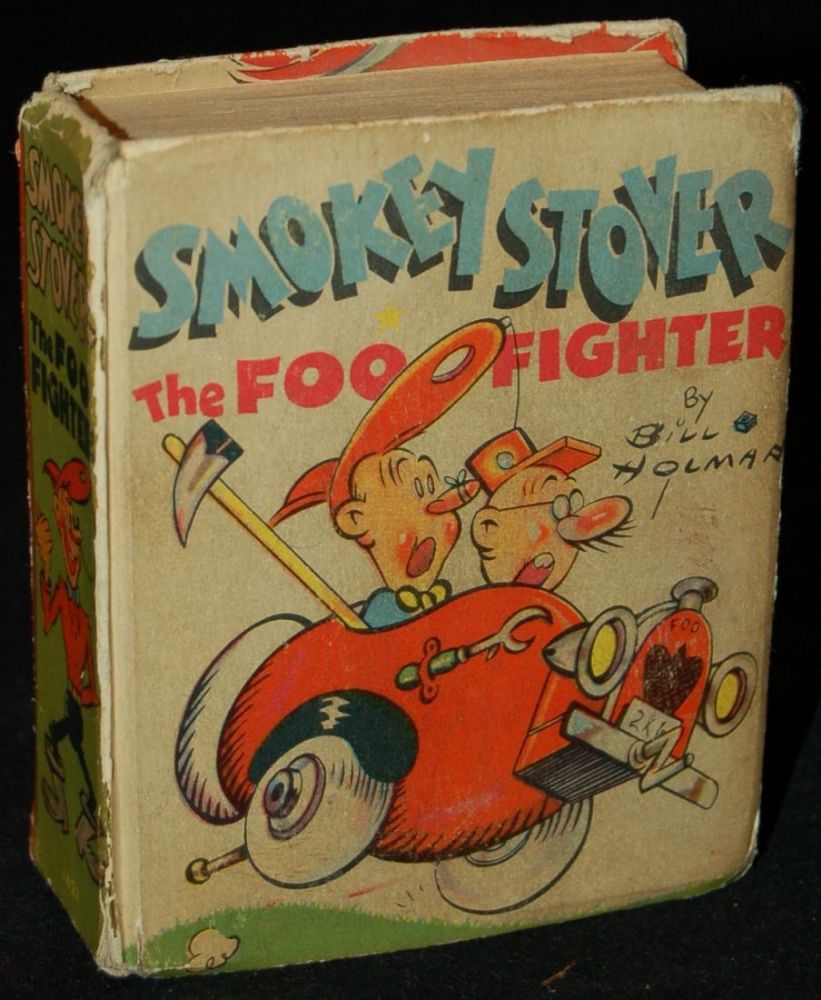
What does an obscure comic character that was retired in 1972 have to do with the name of a famous rock band that has won 12 Grammy awards? Smokey Stover was a wacky cartoon character who inhabited a bizarre world invented in 1935 by cartoonist Bill Holman. Smokey was a fire fighter and the comic strip followed his screwball adventures while also featuring puns, sight gags and made up phrases. Smokey was a popular strip during World War Two and some American fliers took to painting his image on airplanes and using his catchphrases as slang. While Smokey was a fire fighter he called himself a “foo fighter.” The phrase became slang among the war crews for unidentified flying objects. Fast forward to 1994 when Dave Grohl was looking for a band name. Nirvana had disbanded after the death of Kurt Cobain and Dave had some songs he had written and recorded so he picked the obscure name “Foo Fighters” to release them under. Grohl has said he would have picked a better name if he’d had any idea how long the band would last. That may be true but to be fair maybe Smokey Stover should be listed under the original Foo Fighter lineup.