The
Motley Fool provides “a variety of solutions to improve many
areas of your financial life, including your investment portfolio,
personal finances, real estate holdings, company, and career.” I
have used this site off and on for years to consult for various
financial matters. They offer comprehensive information on stocks,
how to invest, credit cards, bank accounts, loans, retirement
planning and much more. Worth a visit.
I
discovered this little culinary gem several years ago and will
continue to use it until I can cook no more. Whenever you cut up
vegetables get in the habit of putting the leavings in a baggie in
the freezer. Onion ends, cucumber ends, carrot ends, end chunks from
broccoli or cauliflower, tomato parts, peppers, you get the idea.
Anything you would normally throw in the trash from your veggies take
10 seconds and put them in that designated baggie in the freezer.
Once it is full, fill up a pan with water, add the contents of your
freezer stash, and boil for at least 20 minutes, or until it smells
so good you want to sample it. Add whatever spices you most enjoy
then let the broth cool. I pour mine into various sized empty butter,
cottage cheese and dip containers and freeze. Then comes the best
part; add the thawed broth instead to a recipe that calls for plain
water, to some fried foods (including ground beef, chicken or pork)
instead of oil, to casseroles, soups, to boil noodles, or even use as
a marinade. When using a slow cooker, use the broth. I have even
added the broth when making chili and it seems to me to contribute
another layer of flavor. I also boil chicken and beef bones for
specific broths, but the veggie broth is more versatile.
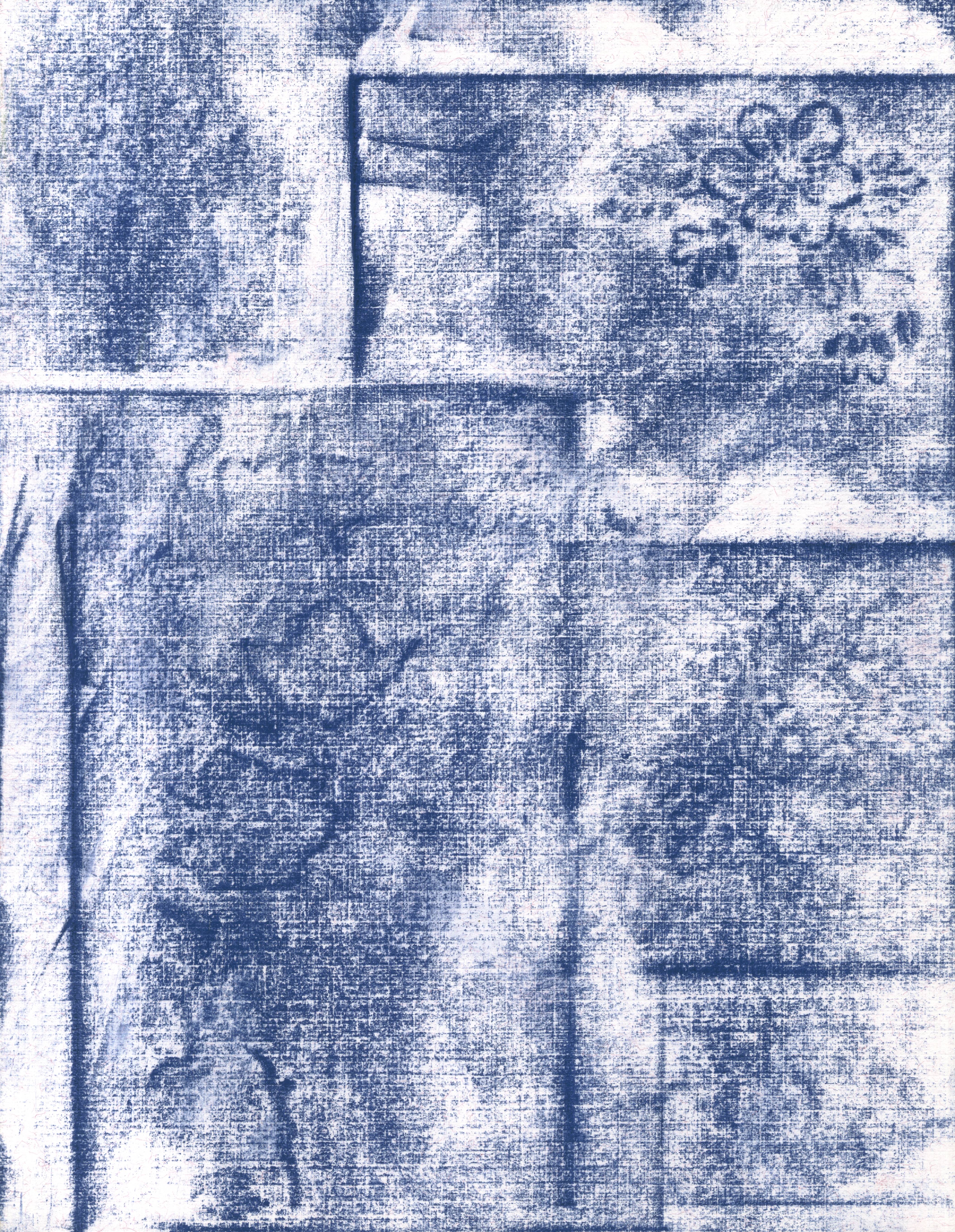
Once
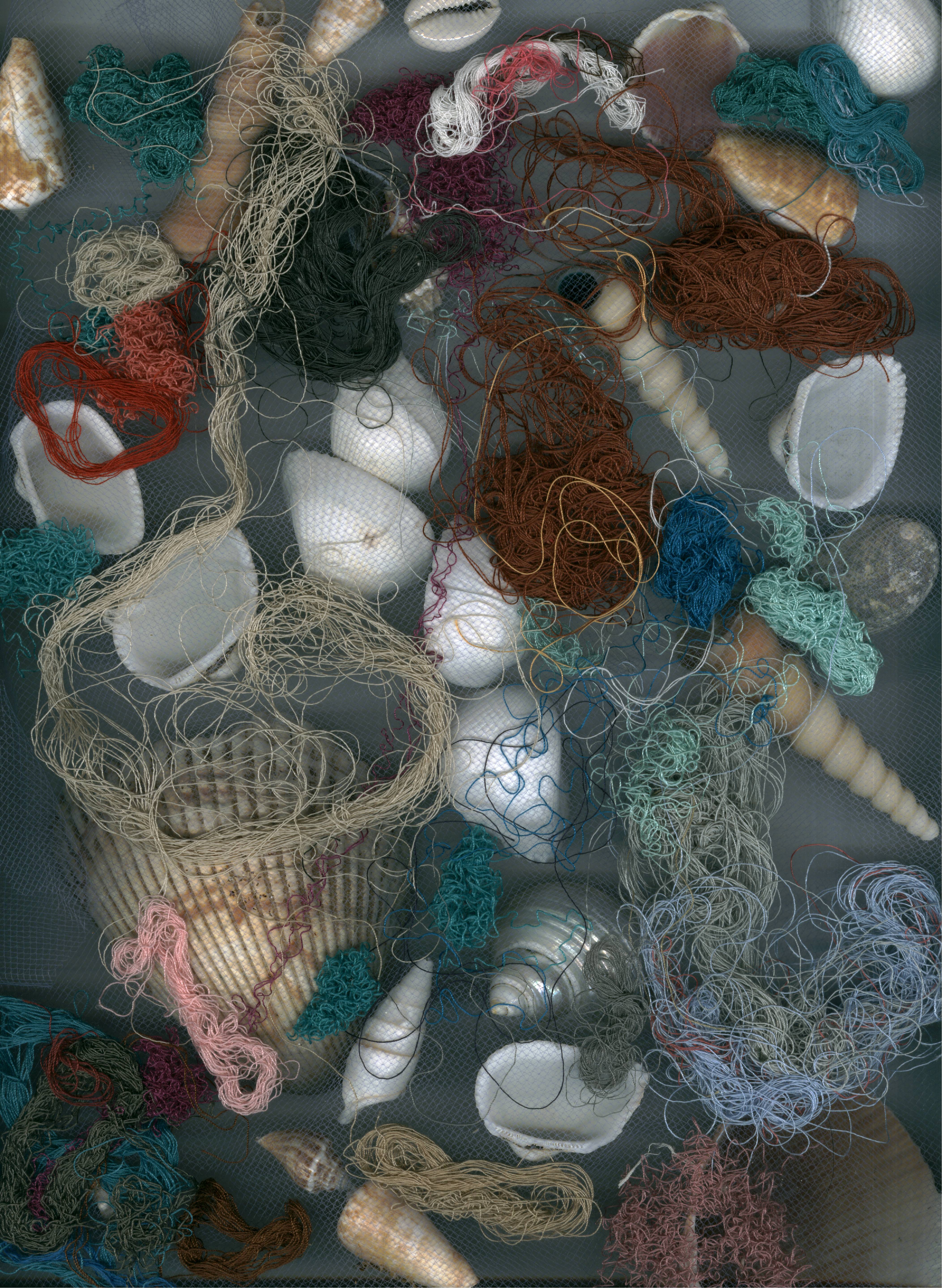
a month I highlight a piece of art I have created and posted on my
Fine Art America site. This one is titled Thread
And Shells from the Scanner Still Life Collection.
My
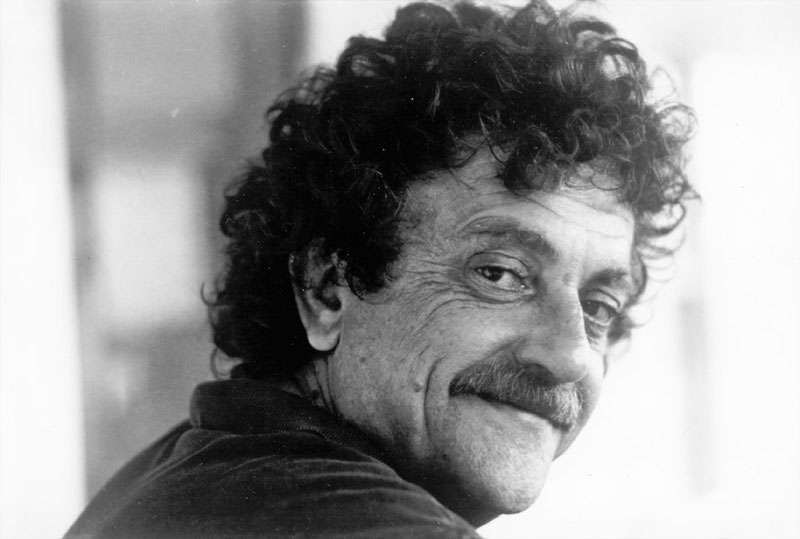
first exposure to Kurt Vonnegut (1922-2007) was not through reading
his books but from watching the movie Slaughterhouse-Five, based on
his novel of the same name. It was put on heavy rotation in the
1970’s on our local NBC affiliate television station, so I ended up
watching it multiple times. Our hero, Billy Pilgrim, survives the
World War Two firebombing of Dresden and goes on to marry and have
children. At some point he ends up in a zoo on the planet
Tralfamador. It is a quiet, thoughtful movie that tends to stick with
you. When I figured out the movie was connected to a book I wanted to
check out the author, and I’m glad I did. He didn’t only write
science fiction, employing dark humor and satire in his novels.
Themes of religion and war run through much of his work, as does
pathos and religious hypocrisy. Reading Vonnegut for me is like
sitting down to visit with an old friend and catching up with what
has been going on. There is both familiarity and anticipation
involved, but the main feeling is you are going to enjoy it. If you
have not read him Slaughterhouse-Five is a good enough place to start
as any. You might just make a new friend.
Wilderness
Connect is a great resource to to learn more about protected
public wilderness areas, “found in most states, but concentrated in
the west, they protect lush forests, arid deserts, snow-capped peaks,
dank swamps and sandy beaches. Yet, the reasons Americans love
wilderness are even more diverse than the areas themselves.”
“As
a permanent home for spontaneous art, Doodlers
Anonymous is a modern art blog featuring a vast archive of
creative inspiration, hand-drawn interviews by contemporary artists,
doodle challenges and prompts, giveaways, and a catalog of art-based
goods.”
StarDate
offers a constellation guide, moon phase calculator, sunrise and
sunset calculator, meteor shower schedule, lunar and solar eclipse
schedule, when to view planets, a primer on the solar system and much
more. A good resource.
Kanopy
partners “with public libraries and universities to bring you
ad-free films and series that can be enjoyed on your TV, mobile
phone, tablet and online.” My library began offering it for free
last month and I have really been enjoying it. If your local library
does not offer it yet put in a request.
In
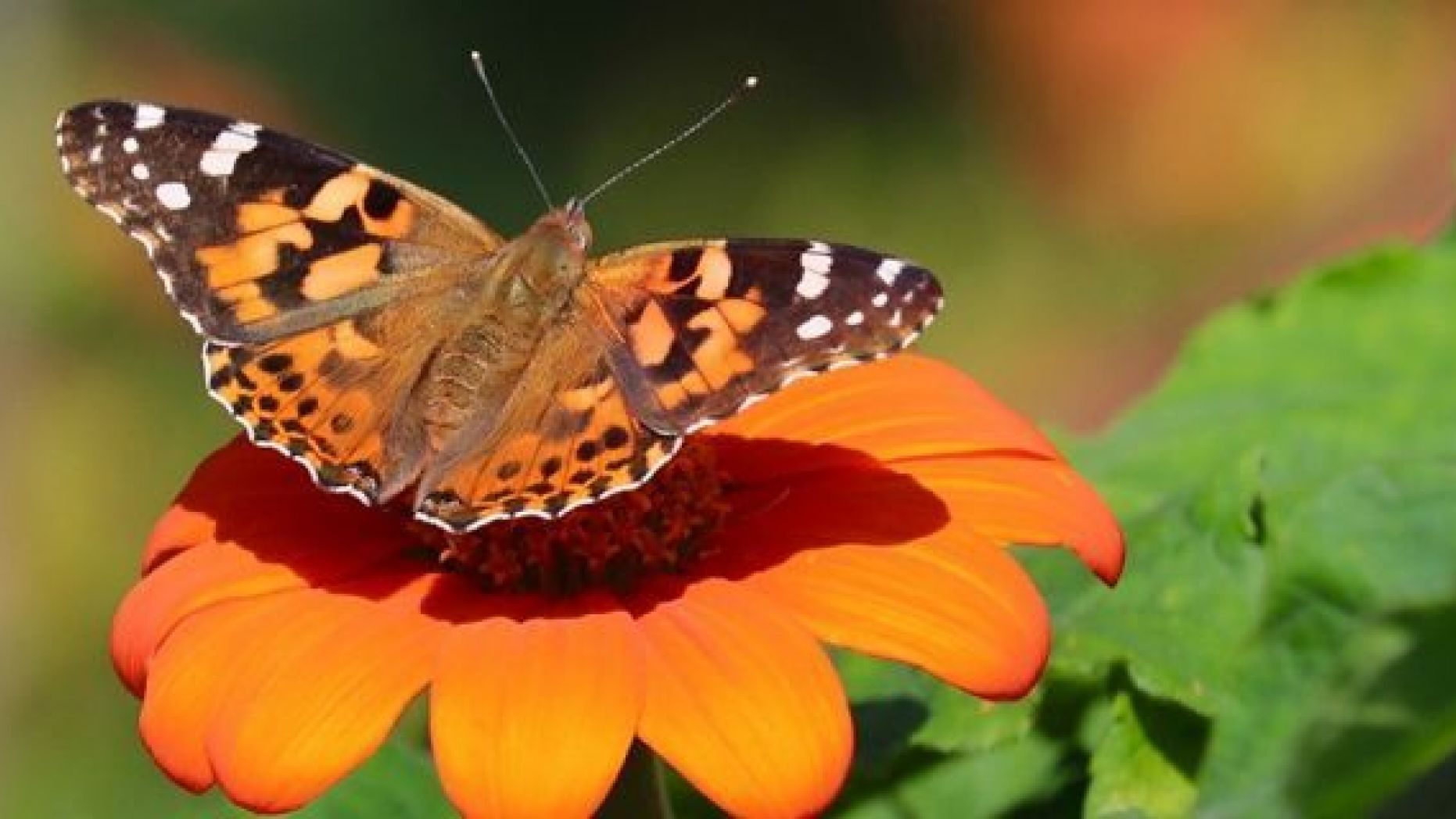
early August there suddenly appeared en masse thousands upon
thousands of painted lady butterflies flitting and flying about, so
many that at first it seemed like a plague had hit us. Those not
being smashed in traffic on the highways were lighting on crops,
trees, weeds, bushes, our driveway and lawn. For several days
hundreds of them would scatter away in front of us wherever we walked
on the acreage. Now, less than two weeks later, they are mostly gone.
Some research revealed they are found all over the world and migrate
south to north in the spring then make the trip back in the fall. But
since their lifespan is only two to four weeks none of the original
travelers return, as it takes multiple generations to make the round
trip. The butterflies reproduce along the way and each succeeding
generation continues the journey, one that is ingrained, absolute and
unwavering. They do what must be done to continue the species,
completing their part of the migration cycle before dying. I wonder
if we will be seeing caterpillars soon.
I
have had the habit of reading multiple books at the same time since
childhood. The advantage of this practice is I can widely vary my
chosen topics. The downside is it takes much longer to actually
finish a book. If one turns out to be more interesting than the
others I will usually spend more time reading it, but my ritual is so
ingrained that I must give all the others in the stack at least a few
pages worth of attention during the same session. I seem to have a
better recall of the books I spend longer periods of time reading but
I don’t know if that is because of the increased interest or the
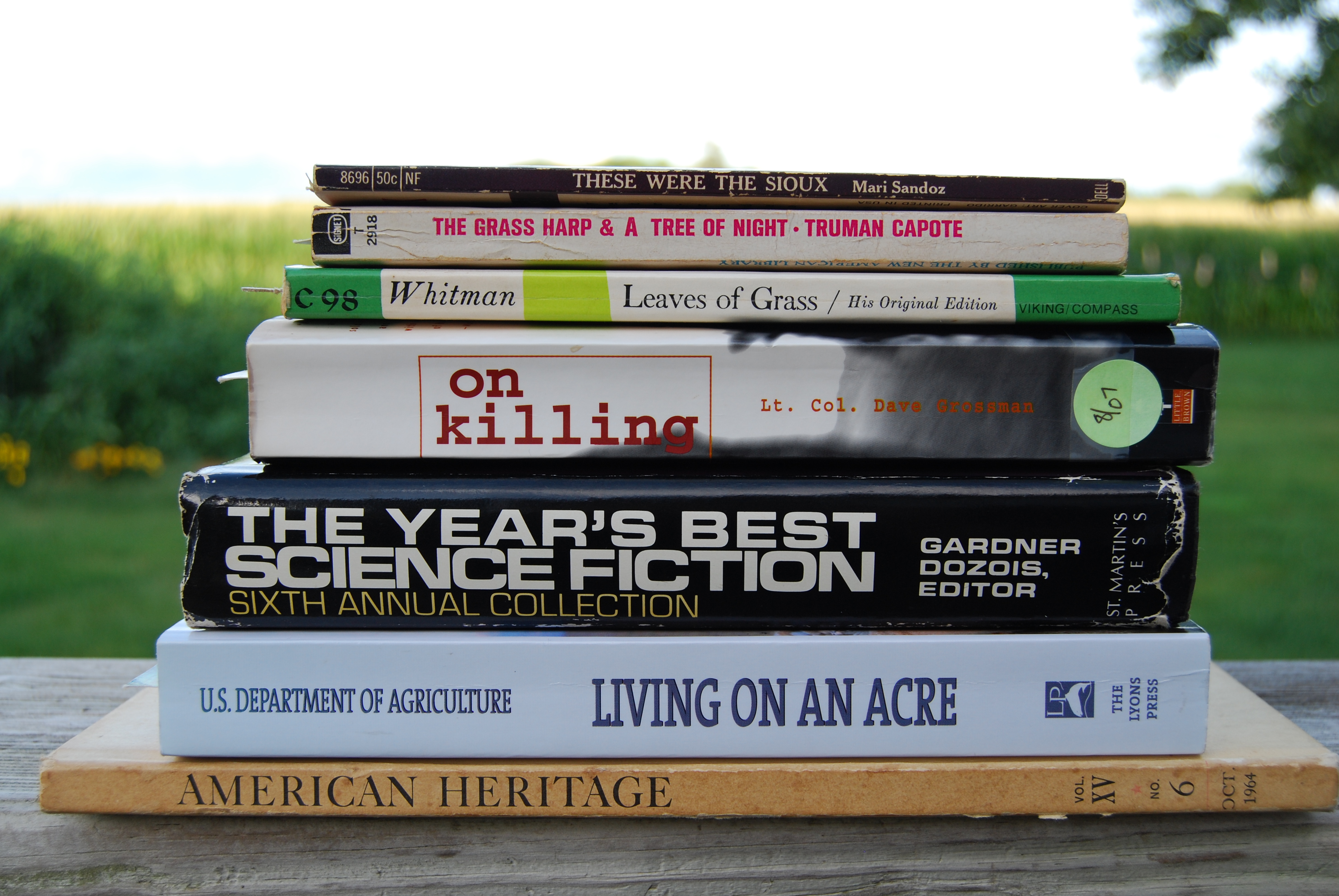
duration of attention. Maybe it is both. Anyhow, I enjoy making lists
and reading those of others, so here is a snapshot of my current
summer reading.
These
Were The Sioux by Mari Sandoz. This little book tells of the customs
and lifestyle of the Sioux, including personal observations by the
author.
The
Grass Harp and A Tree of Night by Truman Capote. I read In Cold Blood
years ago and decided to try out this compilation. Not bad so far.
Leaves
of Grass by Walt Whitman. This is his original edition; he revised
this book several times. I have tried off and on for years to make it
all the way through this. I seem to like the idea of Whitman and his
life more than his writing.
Living
On An Acre (U.S.D.A.) edited by Christine Woodside. From deciding if
rural living would be right for you, to how to do it if it is.
On
Killing, The Psychological Cost of Learning to Kill in War and
Society by Lt. Col. Dave Grossman. This is one in my collection I
have avoided reading for years, the subject seeming rather dark and
gloomy. Learning that most soldiers would rather do anything but kill
during combat is a revelation, contradicting what is usually
portrayed by the entertainment industry.
The
Year’s Best Science Fiction edited by Gardner Dozois. Published in
1989 gathering the best from 1988. I started this last winter and am
finally on the last story. A superb anthology.
American
Heritage, October 1964. I have a small stack of these I have been
going through. One interesting aspect of these slim volumes is
reading the life stories and accomplishments of so many people who
are now almost completely forgotten.
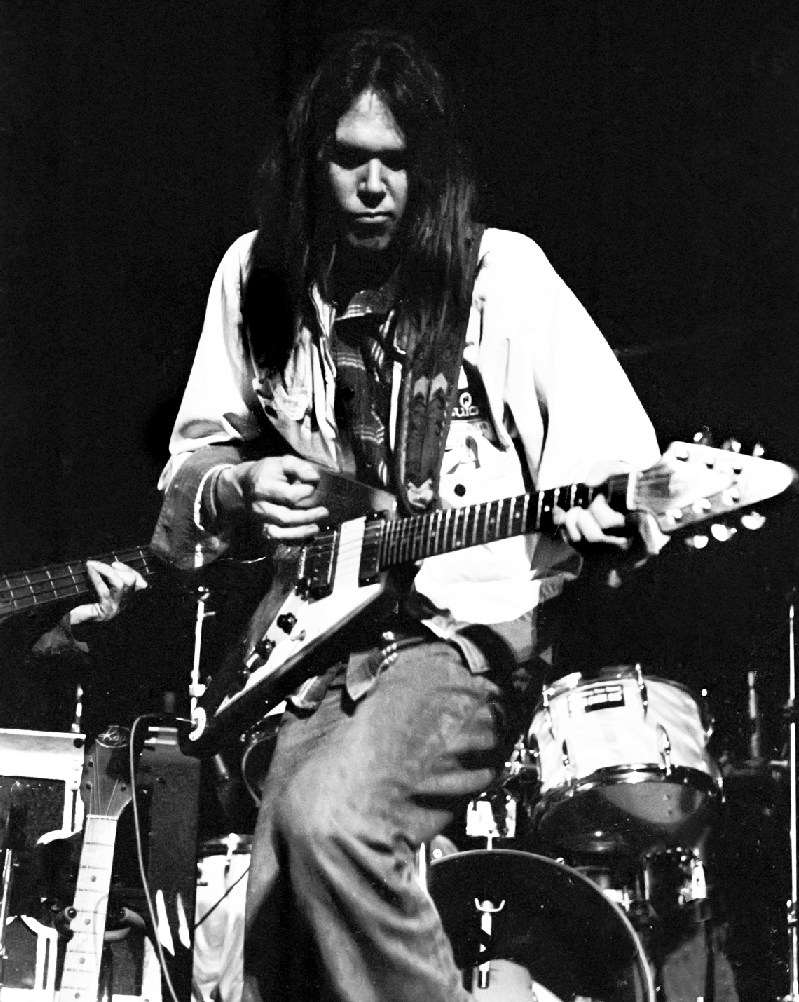
The
first new Neil Young album I purchased was Rust Never Sleeps,
acoustic on side one and electric on side two. It was love at first
spin. That summer he immediately became one of my favorite musicians,
and I began buying his previous albums. The way he could alternate
between a tender acoustic ballad and a scorching electric rocker was
amazing to my teenage ears. Soon I was spending hours listening to
After The Gold Rush, Harvest, On The Beach, the harrowing, dark
Tonight’s The Night, and Zuma, to name my favorites. I bought all of
the other earlier albums, too, sometimes two or three at a time. I
felt like I had discovered a gold mine of great music that wouldn’t
end. And then came Re-ac-tor, his 1981 release. A Synclavier? Jokey
choruses, stammering singing and silly lyrics? What was going on
here? Maybe this was just something he had to get out of his system.
The next one will find him back in fine form, I thought, until Trans
came out in 1982. Again, some of it was okay, but he went crazy with
a vocoder, like a kid with a new toy. One album review I remember
from the time likened his vocals to a singing microwave. When you
have Crazy Horse as a backing band and put out something like this,
well, what is there to say? Next up was Everybody’s Rockin’, a
rockabilly album, and that was followed by a country album. None of
them to me were bad, just not what I was expecting after the joy of
listening to his backlog. I can’t help but applaud when an artist
trys a new direction, but that doesn’t mean fans will follow. As the
years went by I kept my eye on what he was up to, and I still buy the
occasional album. I consider myself a fan, but not like that teenager
who first discovered him years ago.
Off The Back Porch
Stay informed with curated content and the latest headlines, all delivered straight to your inbox. Subscribe now to stay ahead and never miss a beat!




 Off The Back Porch