
Save The Woods Foundation

Save The Woods Foundation logo

For several years in the 1990’s I was a member of a Des Moines conservation organization called Save The Woods Foundation, Inc. It was formed in the 80’s by Chris Janson to save several acres of woodland adjacent to his boyhood home and a city park from development. The land at risk was a heavily wooded valley with a stream running through it. Many different kinds of trees made up the small forest and a wide variety of flowers were scattered throughout, a scenic and peaceful little patch of land. Chris formed the Foundation as a nonprofit and entered into a contract with the owner of the property to purchase the land. He then set about building up the foundation, forming a board of directors and trying to raise money. A few years later I joined the board and created and edited the Foundation newsletter, The Green Milieux. We tried every kind of fundraiser we could think of, applied for grants, solicited businesses for donations and tried keeping and expanding our dues paying membership. Several times we came close to loosing the land from lack of money but we kept plugging away. Finally after several years of saving Save The Woods we reached our goal. The Iowa Natural Heritage Foundation provided the remaining money to pay off the land and seven acres of beautiful woodland was added to Beaverdale Park in Des Moines, Iowa with a perpetuity clause that it could never be sold or developed. With the vision of Chris Janson and the thousands of hours of volunteer hard work of our members, not to mention the generous donations of local businesses and the community and other nonprofits, that peaceful little valley is still there.

Technology

Keyboard Love By David Jacobi

“Literally, a technology is a systematic practice or knowledge of an art, and though we almost always apply the term to the scientific and mechanical, there is no reason not to apply it to other human-made techniques for producing desired results. Maybe the best definition would be: A technology is a practice, a technique, or a device for altering the world or the experience of the world.”

Rebecca Solnit, “Eadweard Muybridge and the Technological Wild West”

John Huston

John Huston

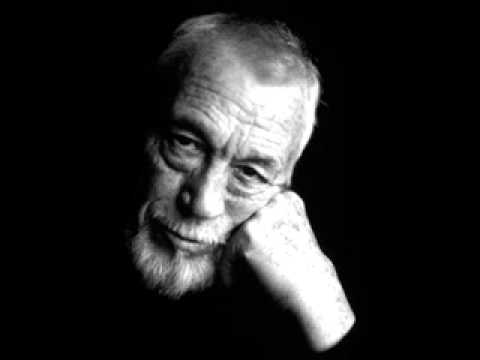
John Huston became one of my favorite directors rather unwittingly as I watched his movies when I was growing up. The Treasure of the Sierra Madre features Humphrey Bogart, who eventually goes mad over his lust and greed for gold. The Man Who Would Be King stars Sean Connery and Michael Caine as adventurers who end up ruling a hidden mountain kingdom until their charade fails and things turn deadly. Bogart again with Katharine Hepburn in The African Queen, on a river adventure to blow up a German gunboat. The epic sea tale of obsessive revenge, Moby Dick staring Gregory Peck. These movies were shown over and again on TV during the 1970’s when I was a kid. Since most people could only watch movies in the theater or on network TV, you ended up viewing whatever was showing. Once it was done playing in theaters you had to wait years for it to show on TV, so your choices were usually older movies, many made before you were born. What I didn’t pay much attention to at the time was the thing so many of my favorite movies had in common; they were directed by John Huston. As I got older I became aware of the link, and by the time VCR’s became widely available in the 1980’s I watched every Huston film I could find. He has been called the Hemingway of cinema, as he loved a good adventure, hunting, horses, women, writing and drinking. He was also a lifelong painter. In a biography I read about him a few years ago it was noted that he could have a hard time finishing his movies, because he would get distracted by his other interests and would be ready to move on to the next project. I remember we were in Georgia to attend a wedding in the summer of 1987 when the news came out that Huston had died. I felt strange about it and didn’t know why, until I realized I was mourning a man I never met, who had given me so many hours of enjoyment.

The Roundup

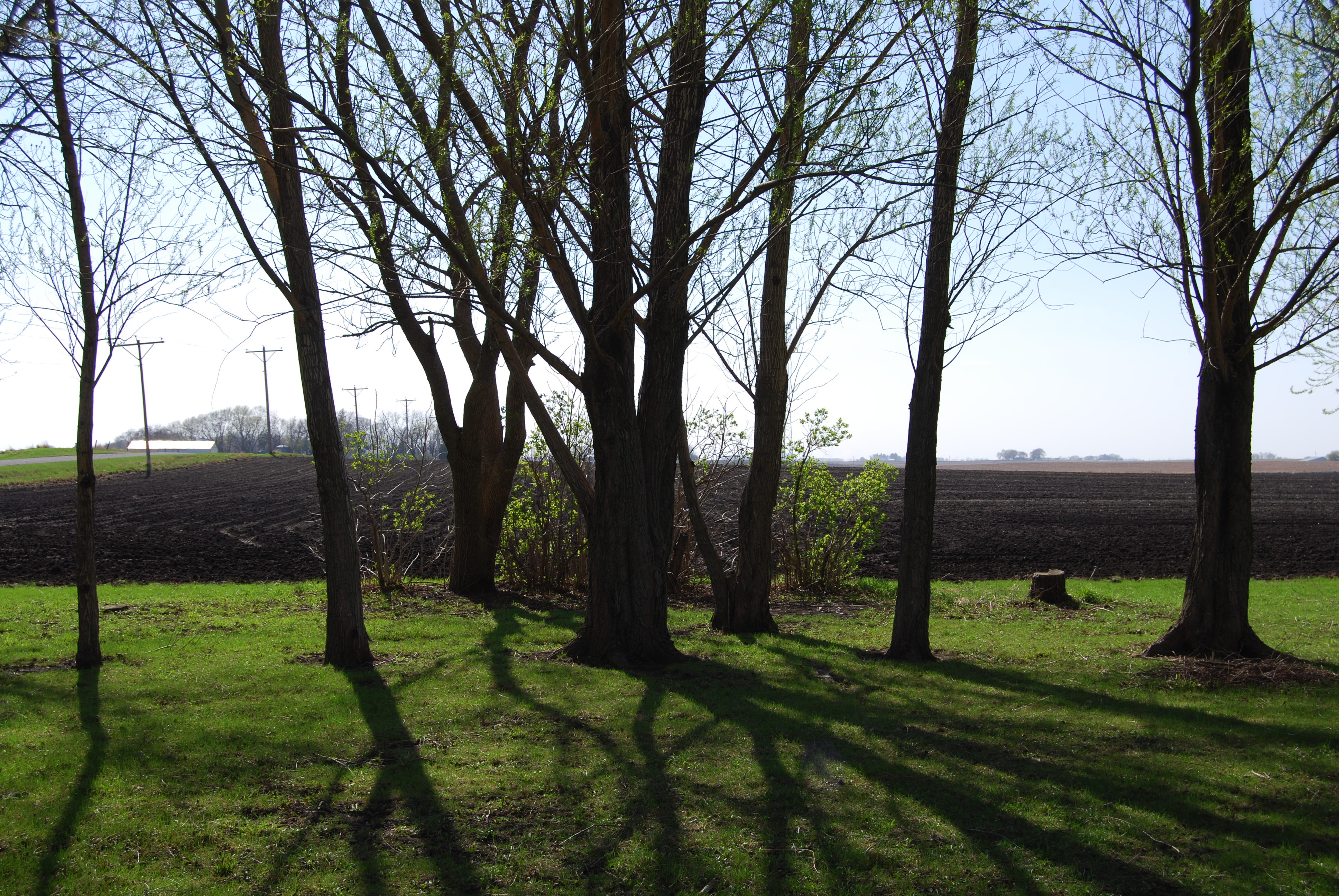
Our view to the west

While there are plenty of prepper sites on the web I decided to link to the Fed’s site for the basics. Ready asks you to “do four key things: (1) stay informed about the different types of emergencies that could occur and their appropriate responses (2) make a family emergency plan and (3) build an emergency supply kit, and (4) get involved in your community by taking action to prepare for emergencies.”

Julia Solis has been photographing abandoned buildings and underground spaces for 20 years. She is also a writer, event organizer and curator. Check out her site to find out how she blends all of these interests.

“In the decades around 1600, the astrologers Simon Forman and Richard Napier produced one of the largest surviving sets of medical records in history. The Casebooks Project, a team of scholars at the University of Cambridge, has transformed this paper archive into a digital archive.” A fascinating and addicting look into what was considered medical treatment during that time period. Selected Cases In Full “transcribed the full text of several hundred cases and grouped them by theme. These transcriptions are intended to be read alongside the edition and the images of the manuscripts on the full Casebooks website.”

The Soil and Health Library “provides free downloadable e-books about radical agriculture, natural hygiene/nature cure and self-sufficient homestead living. There are secondary collections involving social criticism and transformational psychology.”

Spring Continues

Steve

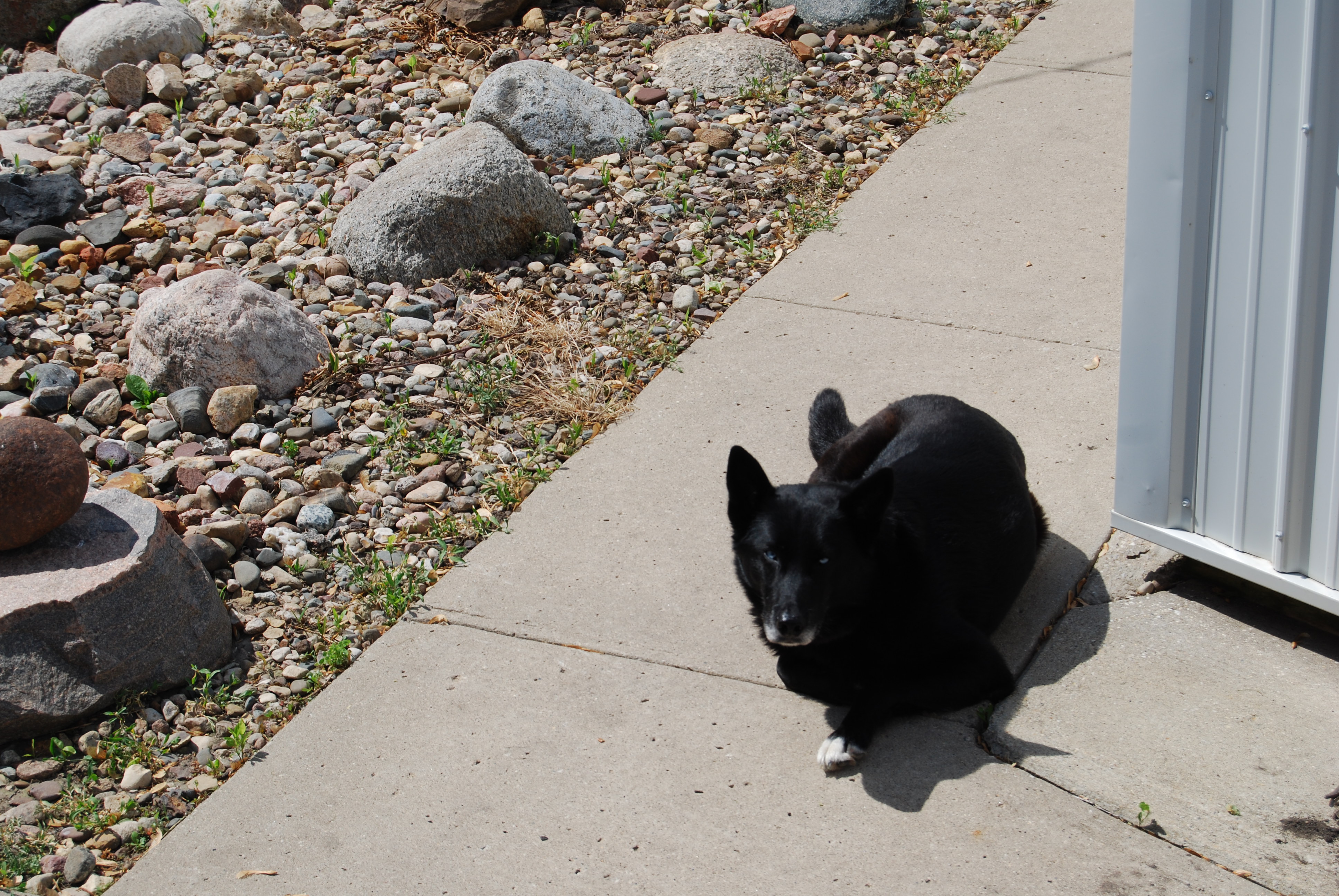
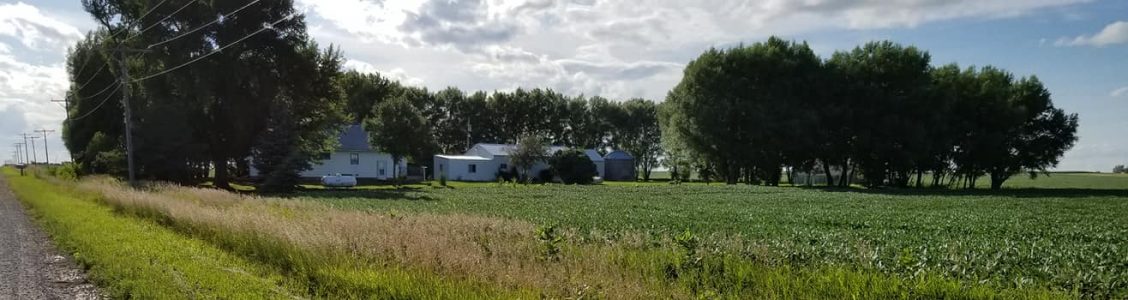
This is our first spring on the acreage (we did not begin moving until the end of July last year) and we have enjoyed observing the flora wake up around the place. All along the front yard are lilacs, and next to the garage is an ornamental tree that had beautiful red blossoms. A couple of windy days filled the air with the helicopter seeds from the maples. There are large amounts of tiny cones on the pine trees, and I don’t know if it is normal or not that they have so many. The variety of butterflies is surprising, as we had very few in the city, while out here we see them everyday. There are a wide assortment of birds here: robins, sparrows, grackles, finches, blackbirds, orioles, thrashers, a chicken hawk and a bald eagle. We had two squirrels, but I have only seen one in the last few weeks, so maybe the hawk got it. We had two rabbits living under the machine shed but the hawk got one of those. The eagle carried away a dead possum that was on the road the other day after the turkey vultures had picked at it for awhile. The toads will croak day and night when there is water in the ditches, but are quiet when they dry up. All the farm fields around us are planted and the crops are coming up. We planted a small vegetable garden with tomatoes, green beans, green peppers and cauliflower, and if it goes well this year we will most likely expand it next year. We have taken in a fugitive, but everything is fine. Our daughter could not keep her husky mix dog Steve anymore because he kept running off and upsetting neighbors. Finally the town council told her the next time would bring a $1,000 fine, so she asked if we would take him. Our dog Marley was already familiar with Steve and they get along fine. A few times I have seen Steve walk out to the road and stare off for a few minutes in all directions. Seeing there is nowhere for him to go, he trots back into the yard of his little island in the country. Time will tell if his wanderlust carries him away.

Website Review: Mother Earth News

Mother Earth News

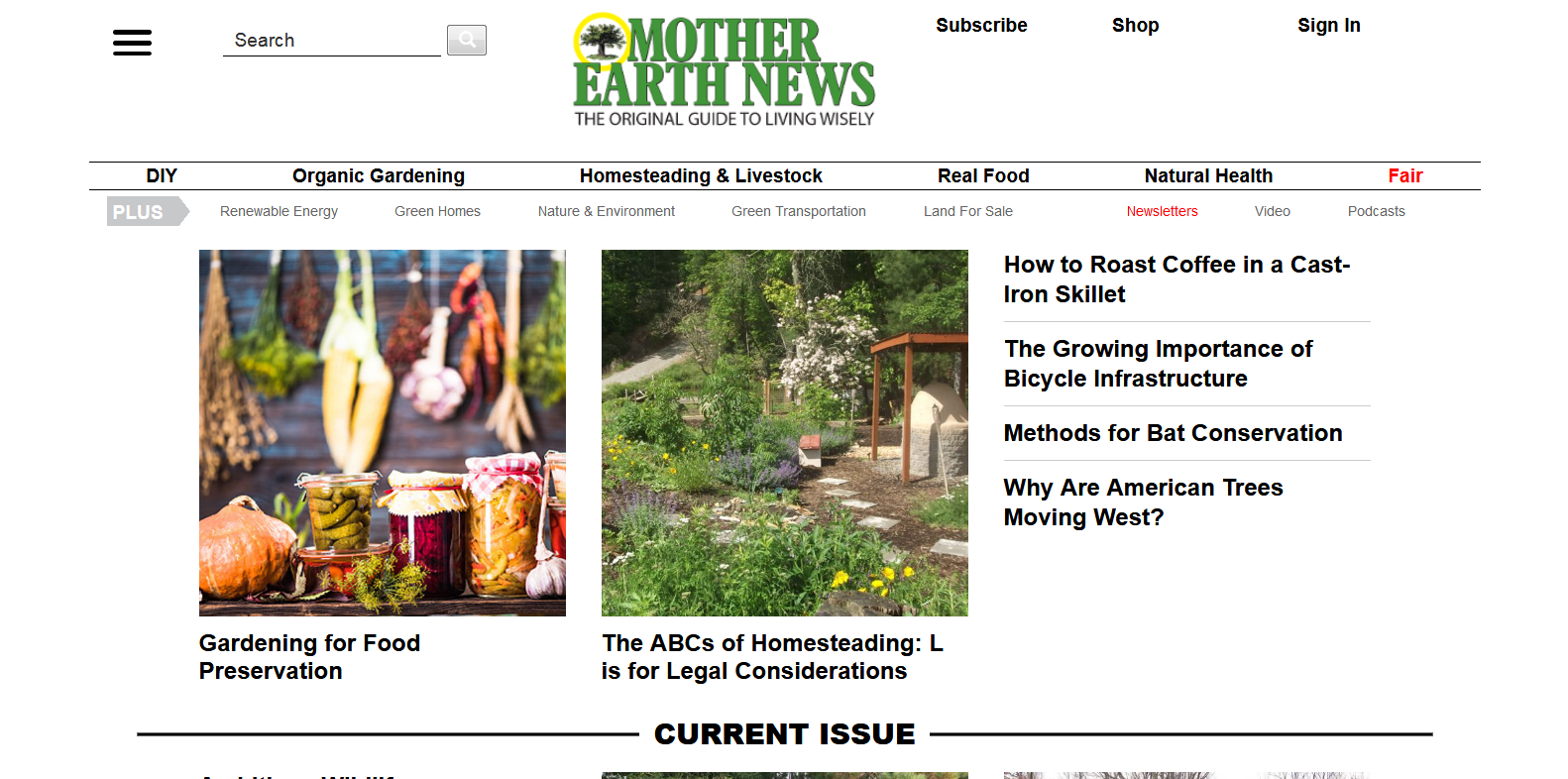
“The most popular and longest-running sustainable-lifestyle magazine, Mother Earth News provides wide-ranging, expert editorial coverage of organic foods, country living, green transportation, renewable energy, natural health, and green building.” That is from their about page and sums up the magazine pretty well. I have subscribed to the free newsletter they offer for years now and a sampling of articles I saved in my favorites include topics such as how to build a raised garden box, making aged cheese at home, wilderness survival cooking, fermenting and how to choose the best tools for an acreage. The website offers DIY projects, gardening tips, recipes, videos, podcasts, how to articles for homesteaders, livestock advice and much more. Check it out, and don’t forget the free newsletter.

Green Bean and Potato Skillet

Red Potatoes and Green Beans

This recipe will put to great use the fresh green beans from your garden or farmers market.

Ingredients:

One large handful of fresh green beans, cut to 2 inch lengths

Half a package of bacon, cut to two inch lengths

Four red potatoes, diced

One Vidalia onion, diced

Salt and pepper and Cavender’s All Purpose Greek Seasoning to taste

Instructions: Add all ingredients to an electric skillet or a cast iron skillet, top off with water and cook on medium until green beans and potatoes are tender. You might need to add more water during the cooking process. Instead of bacon we have used sliced kielbasa. Add during the last ten minutes of cooking.

Charles Bukowski

Faye Dunaway, Charles Bukowski and Mickey Rourke on the set of the movie Barfly

Mickey Rourke is one of my favorite 1980’s actors. When I saw him in the movie Barfly I thought his performance was mesmerizing. I had never heard of the real life poet and author he was playing a version of, Charles Bukowski. Several years later I came across Bukowski’s name again and a reference to Barfly, and decided to learn more about him. Bukowski lived from 1920 to 1994, much of that time in Los Angeles. He worked odd jobs, was a letter carrier for a while then a clerk at the post office. He wrote poetry on the side, getting published in avant garde magazines and by small presses. Eventually he gave riotous poetry readings and wrote a newspaper column. Black Sparrow Press gave him his big break, publishing his writing from 1969 on. I have read four of his novels and lost count of how many of his poetry collections I have enjoyed. Trying to sum up why I like reading him so much is hard, maybe because you have to admit you have enjoyed living vicariously in his slobby, drunken, violent, wasteland of a world. At the same time you are treated to such honesty, beauty, longing and tenderness in his writing that the contradictions almost seem impossible to be contained in the same man. He claimed he would have to wait for the muse to come to him and inspire his writing. “Don’t try,” was his advice on creativity. It is the epitaph on his tombstone.