The Roundup

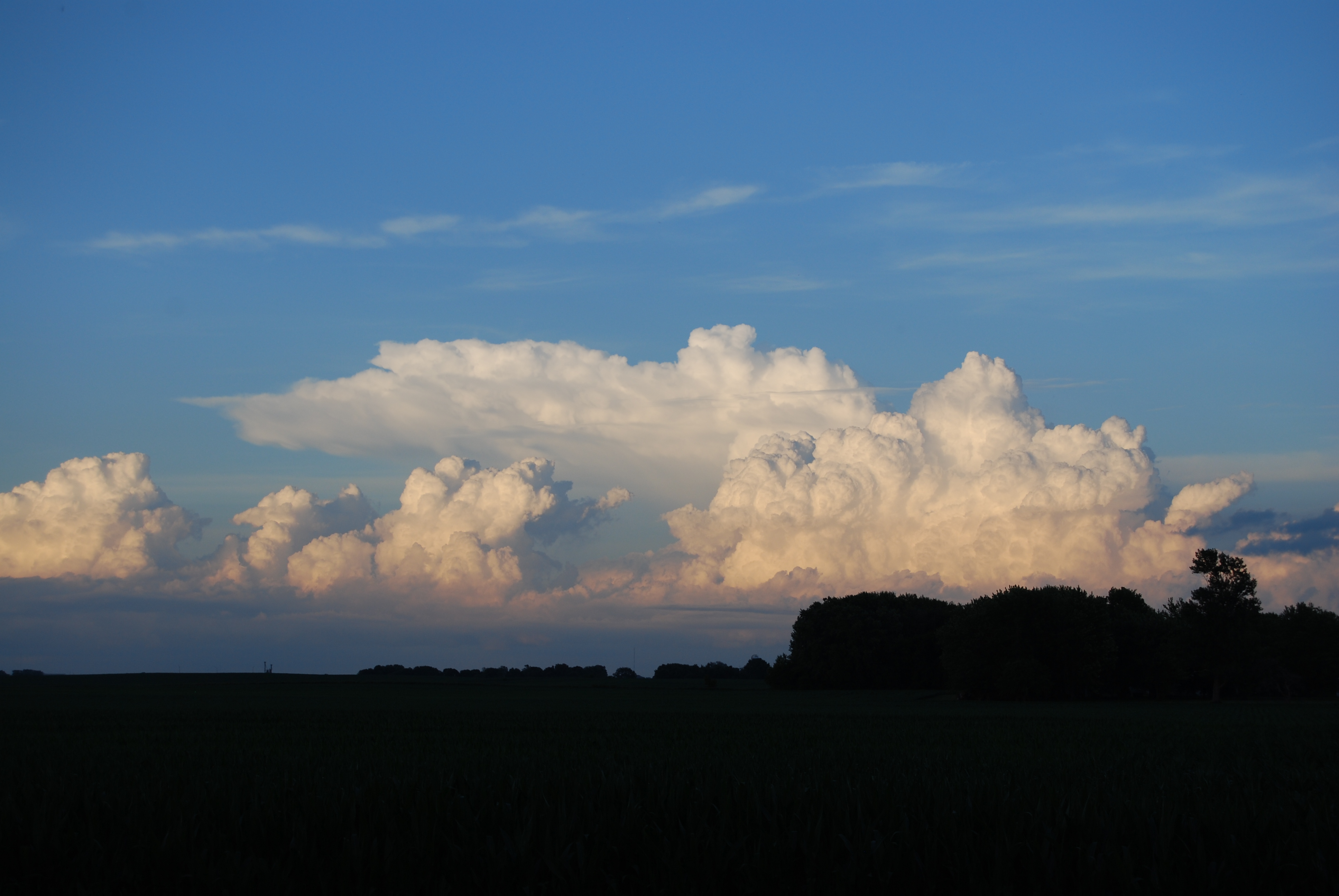
Eastern Clouds At Sunset

The Core Historical Literature of Agriculture “is primarily a collection of landmark agricultural texts published between the early nineteenth century and the middle to late twentieth century. These full-text materials cover agricultural economics, agricultural engineering, animal science, crops and their protection, food science, forestry, human nutrition, rural sociology, and soil science. Teams of scholars selected the titles in this collection for their historical and scientific importance.” This free resource offers 2,084 books and 36 journals ranging from 1623 to 1969.

I first came across this site several years ago when I was looking for information on Buddy Rich. Drummerworld “is a encyclopedia-like website and features Drummers from all genres in the history of Jazz and Rock – from the past till present times.” This addictive site includes photos, videos and extensive biographies.

ScienceDaily “features breaking news about the latest discoveries in science, health, the environment, technology, and more — from leading universities, scientific journals, and research organizations.” Don’t forget to sign up for their free email newsletter.

Poets.org “is produced by the Academy of American Poets. The site was launched in 1996, becoming the original online resource for poems, poets’ biographies, essays about poetry, and resources for K-12 teachers.” They also offer a free email newsletter.
Summertime

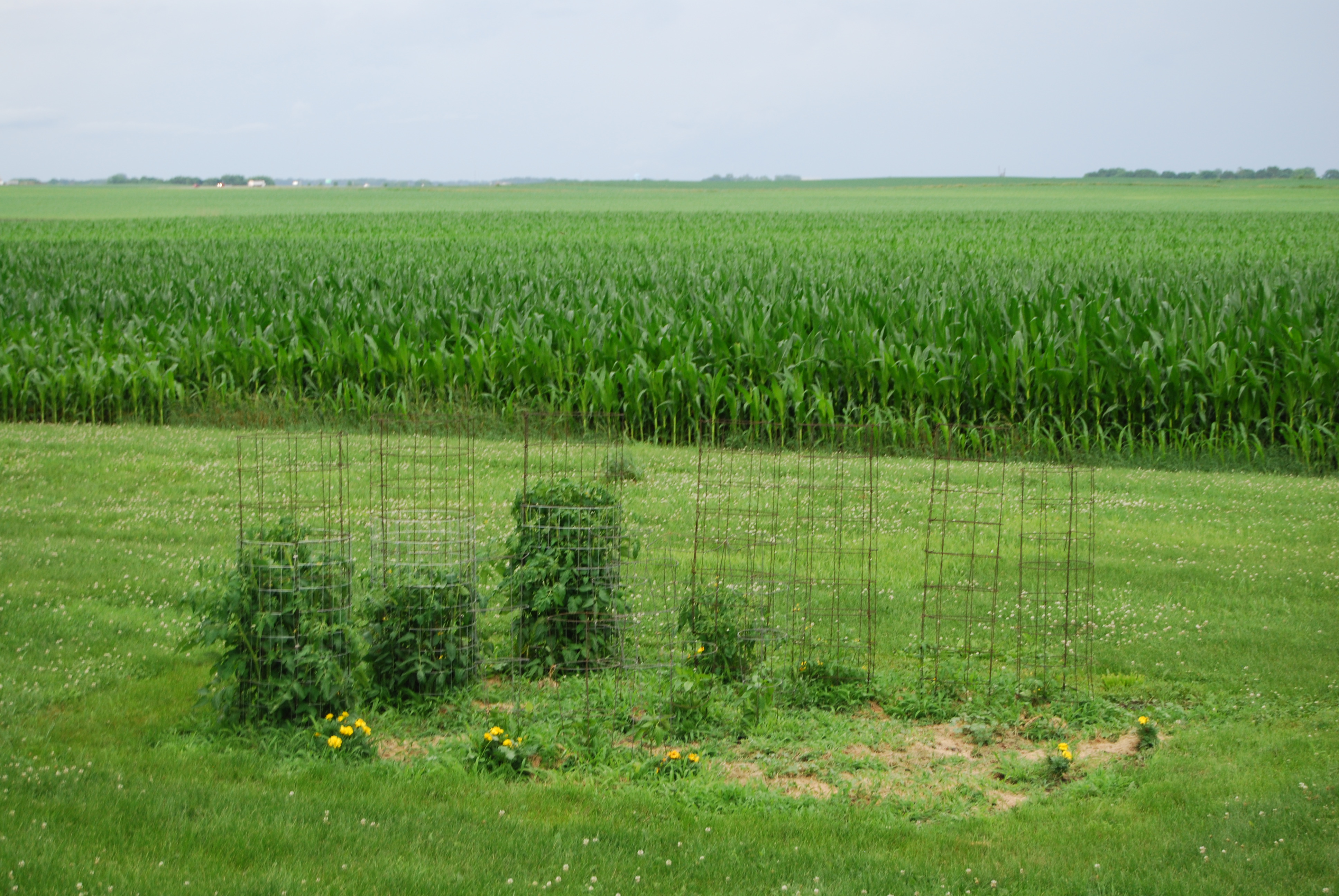
Our garden and a sea of corn

After a very long, cool, rainy, wet spring, summer hit us with everything expected: bugs, fast growing grass, faster growing weeds, heat, humidity, thunderstorms, mowing, and more heat, humidity and bugs. The mosquitoes we were used to in the city have been mostly traded here in the country for biting flies, which have left me with tiny bleeding wounds on my legs and arms if I forget to spray myself down with repellent when I go out into the acreage. We have gone through two containers of weed killer spray so far and are trying a homemade brew that is not working so well yet. We planted a garden of tomatoes, peppers, green beans and cauliflower. The green bean seeds were old, leftover from previous gardening in the city, and did not sprout. The little cauliflower plants I bought two for a dollar survived for a week. They just disappeared, so I don’t know if it was bugs, critters or disease that got them. The tomato plants are doing well, and the pepper plants are full of blooms and tiny peppers. The rain this spring and early summer has been epic for Iowa and the Midwest of America in general. This last year has been the wettest here since 1895. Now with June giving way to July the heat has ramped up, with temps reaching the low 90’s Fahrenheit. Combined with high humidity it makes for some soupy days and nights. Still, all in all, I will take a hot, humid summer day over a freezing winter blizzard any time.

Website Review: Merck Manual

Merck Manual

I was first introduced to the Merck Manual around 20 years ago when my mother was diagnosed with cancer. My dad gave my wife and I a copy so we could better understand what my parents were dealing with, but also for our own reference. The manual is both detailed and concise. For ailments they list an overview, causes, symptoms, diagnosis, prevention, treatment and prognosis. From their website, their Mission Statement reads: “We believe that health information is a universal right and that every person is entitled to accurate, accessible and usable medical information. And we believe that we have a responsibility to protect, preserve and share the best current medical information to enable more informed decisions, enhance relationships between patients and professionals, and improve health care outcomes around the world.” A noble cause and a valuable web resource.