
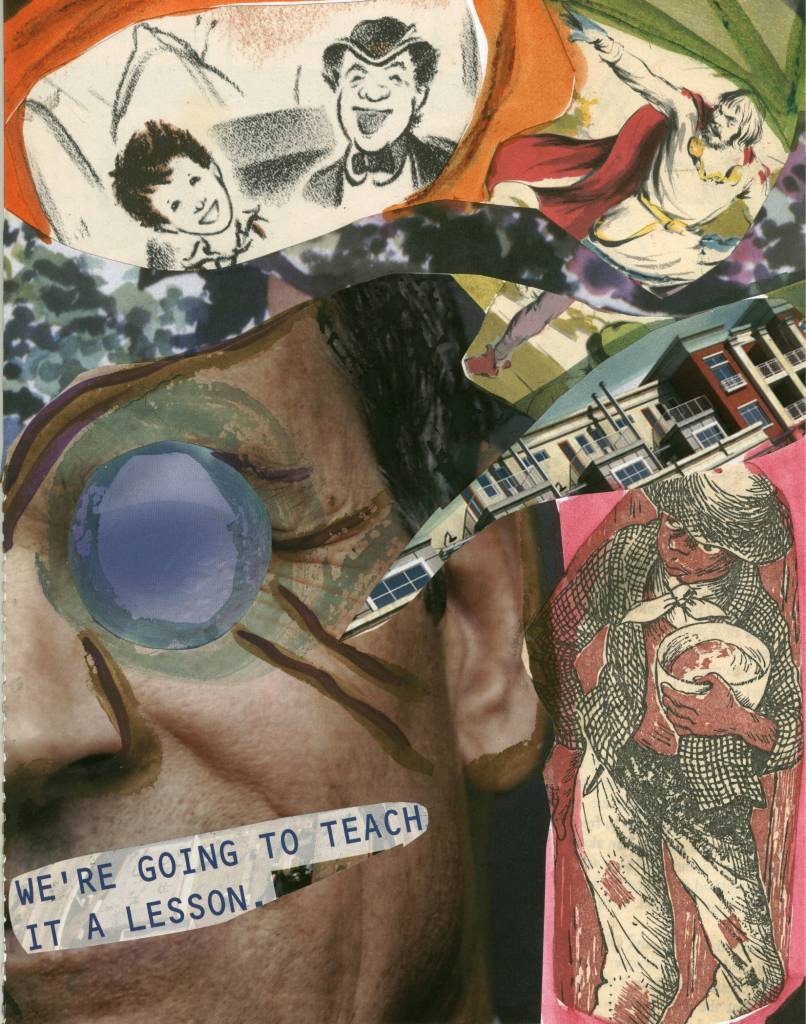
Once a month I highlight a piece of art I have created and posted on my Fine Art America site. This one is titled Teach It A Lesson from the Collage Collection.
Once a month I highlight a piece of art I have created and posted on my Fine Art America site. This one is titled Teach It A Lesson from the Collage Collection.
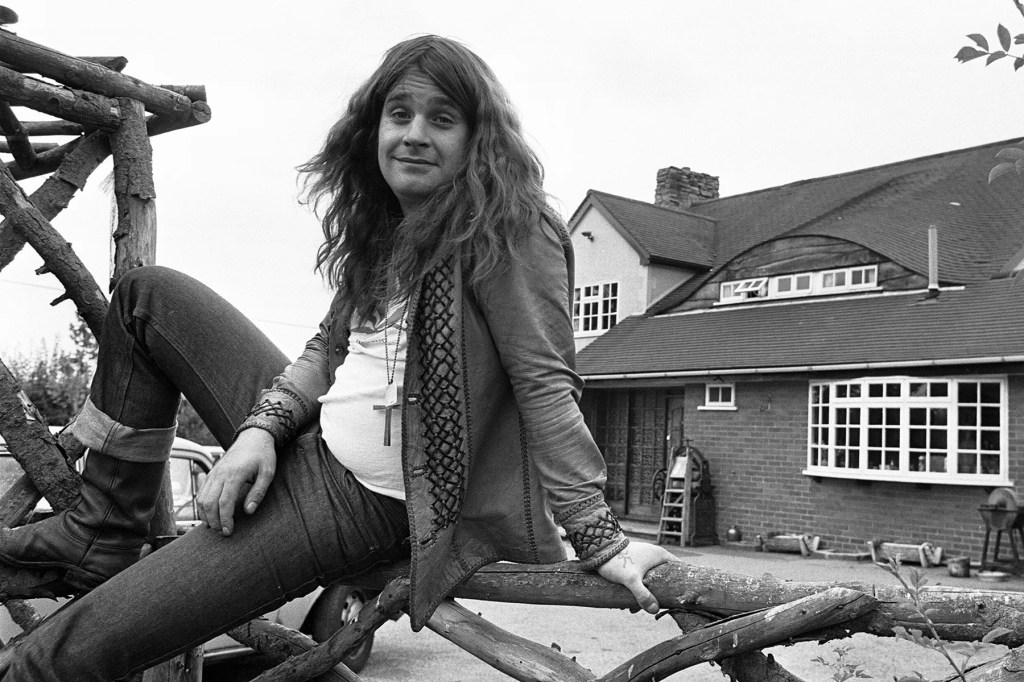
When Ozzy Osbourne was asked about The Beatles and why they were so important, he gave a relatively poignant answer. Talking in 2019, he said, “The only way I can describe it is like this: Imagine you go to bed today, and the world is black and white, and then you wake up, and everything’s in colour. That’s what it was like! That’s the profound effect it had on me.”
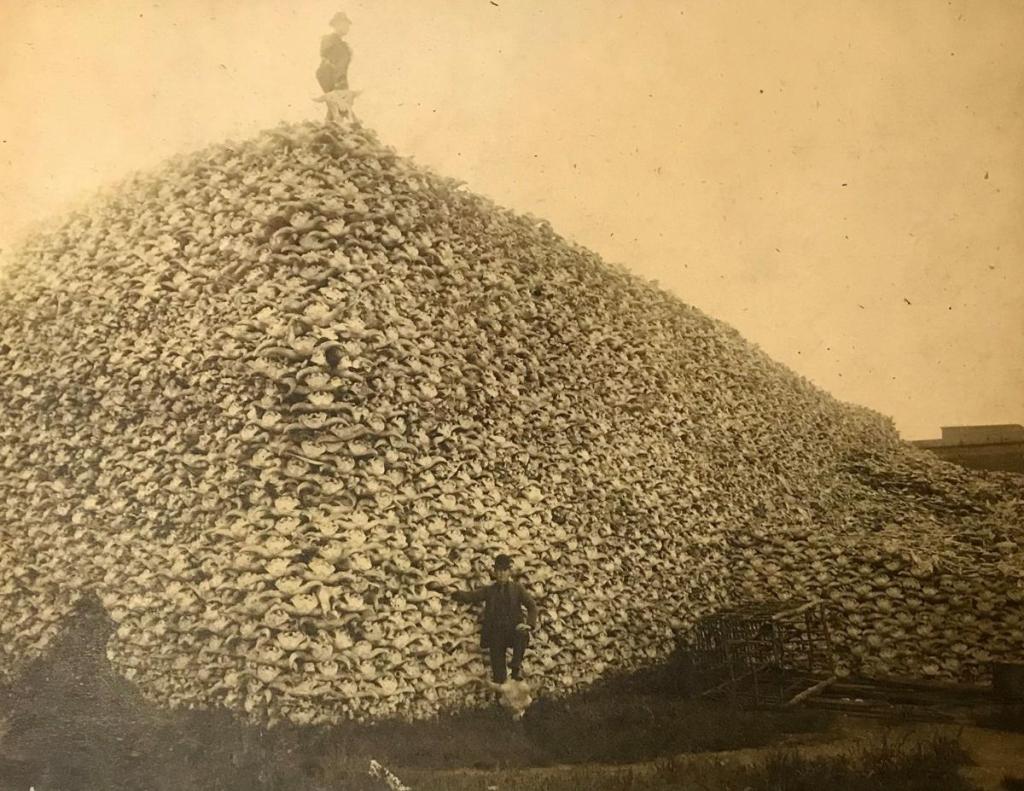
After years of interest and study of American expansion from east to west it has become obvious to me what the main contributing factors were of the decline and submission of American Indians besides the invading hoards of whites, blacks (Buffalo Soldiers), Asians (Central Pacific Railroad) and even assisting Indians. First was disease (no Indian immunity), second was prospectors (every place they discovered anything of value was overrun) and the third was the widespread slaughter of the American buffalo (leading to Indian starvation and dependency on their enemy) The above image is proof of the third factor, a gigantic hill of buffalo skulls.

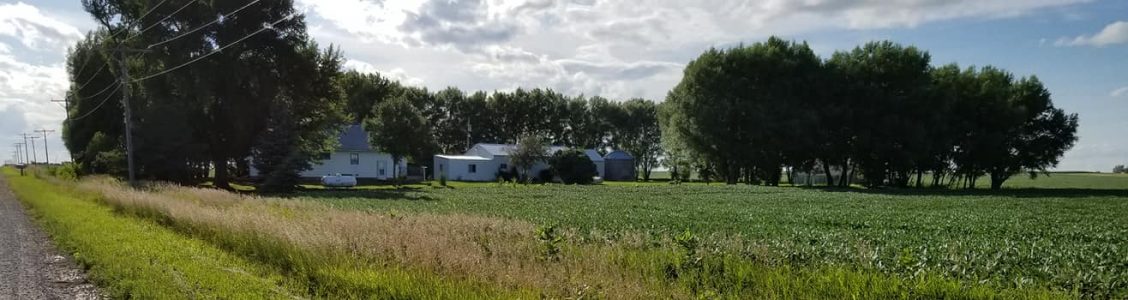
Along with our long, mild much needed rainy spring here in Iowa have come a couple of tornado outbreaks, first in mid-April, then at the end of that month. We didn’t suffer any damage here on the acreage, but we do feel more vulnerable living in the country than we ever did in the city. You just never know out here. The photo above was taken within twenty miles of where we live.
The fields have mostly all been planted, our lawn mowed, the trees are leafing out and the flowers are coming up. Speaking of our trees, this is the year for the power company to trim trees in our part of the county, to keep branches from interfering with or falling on power lines. Their first visit to our acreage was busy, out at the street. The second visit was semi-busy, in our driveway, with around a two hour lunch then not much else until they left around 4:30 in the afternoon. The third was back out at the street, with the safety cones out just in case they decided anything else needed to be done. The fourth visit involved parking a truck in the street in front of our house, safety cones out, with some light cleaning of the truck, a long lunch, then nothing. They might have been napping in the truck cab, or playing on their phones. Whatever they were doing they found a nice quiet place to play hooky for a while.
One night a couple of weeks ago I let our dog Steve outside, and as soon as I opened the screen door he rushed at a opossum that was drinking from Steves water dish on the back porch. They disappeared into the darkness and I couldn’t see or hear anything else. Around ten minutes later he was ready to come back in, and acted like nothing had happened. He had no injuries, and the next day I looked around and there was no sign of the opossum. Just a couple of nights later Shelly went out to call for Steve and there was a opossum standing at the bottom of the porch, eating a bit of old dog food Shelly had tossed out. Steve came trotting up to the porch, right past the opossum, which he completely ignored, and into the house. Shelly and I both stepped out on the porch and looked at the opossum, which regarded us with disinterest, and continued eating. We wondered, did they make some kind of a deal? What is going on? To be continued, I suppose…
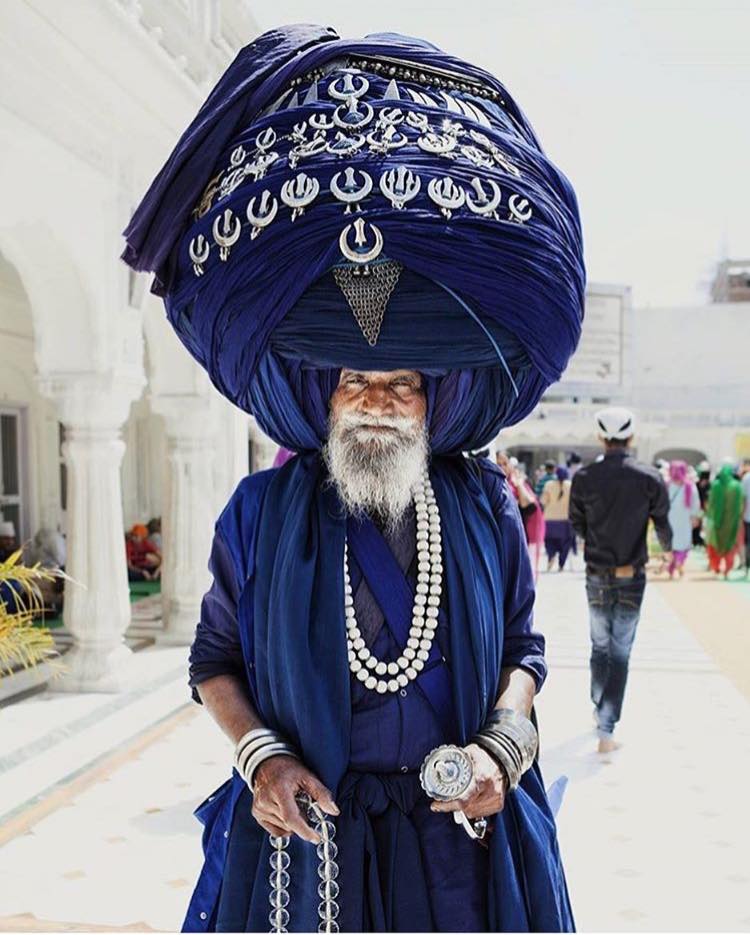
I came across this photo a few months ago, but I can’t remember where. Anyhow, I was impressed by the size of the turban and the devotion it takes to put on and wear around such a thing. Following are a couple of articles I found while researching Sikhs and turbans.
https://www.sikhnet.com/news/turbanator-worlds-largest-turban
https://www.guinnessworldrecords.com/world-records/largest-turban

“There’s no way around grief and loss: you can dodge all you want, but sooner or later you just have to go into it, through it, and, hopefully, come out the other side. The world you find there will never be the same as the world you left.”
Johnny Cash

Once a month I highlight a piece of art I have created and posted on my Fine Art America site. This one is titled Mikes Sunglasses from the Scanner Still Life Collection.
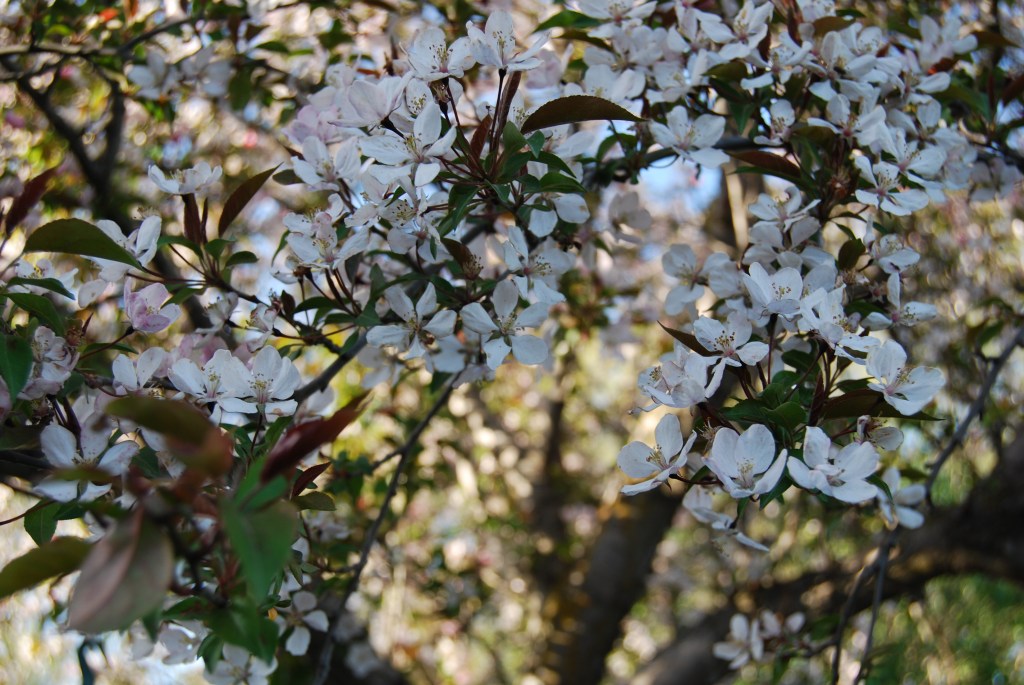
After an almost complete absence over the winter months we now have birds galore again around the acreage. They have found and emptied the feeders of the leftover seeds from last fall, so I really need to get back in the habit of filling them again. So far we have seen the usual army of robins, who have been mating with each other seemingly non-stop for weeks now, and a scattering of little sparrows, a couple of red wing blackbirds (probably just passing through, we have yet to see any nest here) some crows, a blue jay, a mourning dove and some various finches.
As a kid I was sort of indifferent to the season of spring, which seemed to me to stand in the way of the very important season of summer. My mother always loved spring and when we were out and about she would point out, and name, the various flowering trees, bushes and ground flowers. I remember being impressed that she knew so many names of the spring flora, but still, I saw the season as a pause before the real deal of summer. As I have grown older I have come to enjoy the spring much more, which might have something to do with liking winter much less. Summer is still great (but it seems to be getting hotter and dryer) and autumn might be the best if it led into spring and not winter.
I checked out a book from our local library recently titled The Collected Poems of Walter de la Mare. I came across a lovely poem in it titled, simply, “Spring.”
Now the slim almond tree
Tells April soon will be
Scattering her petals where
Snow still lies cold and bare.
Birds in its leafing boughs
Echoes of spring arouse.
Piercing the drowsy earth,
Crocus her flower brings forth –
Wooing the bees. And soon
Winter’s ice-silvered moon
Shall melt, shall kindle on high
Springtime within the sky.
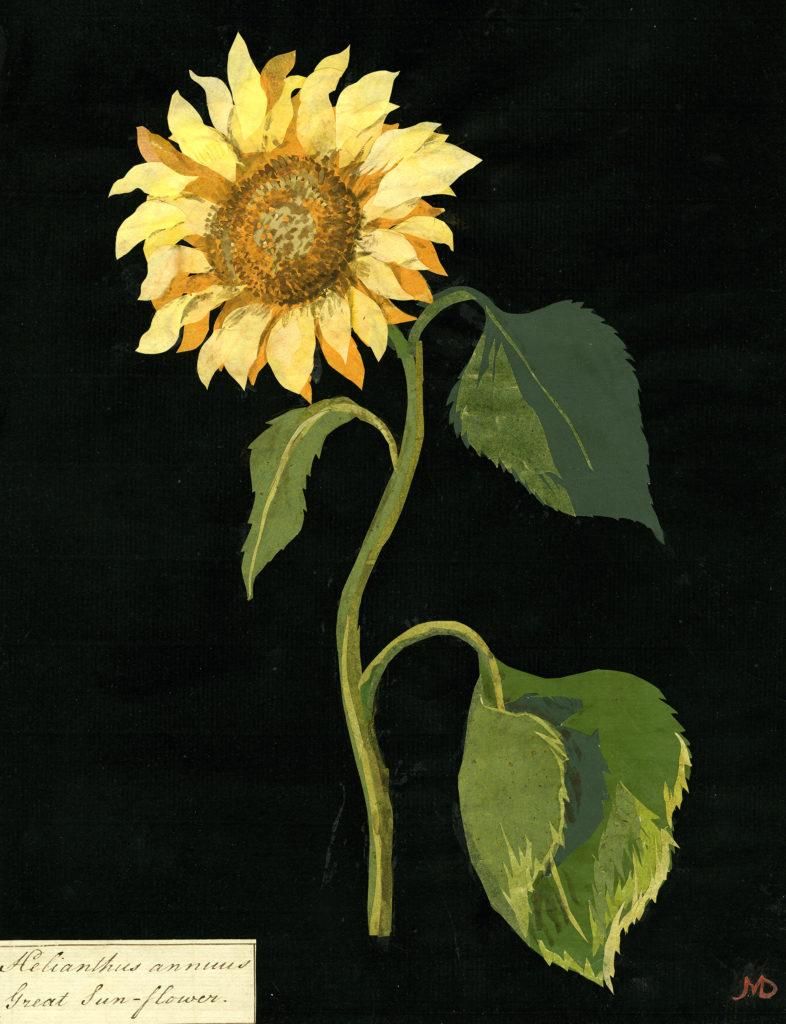
“Mary Delany’s stunning works are a remarkable combination of art and science. Often mistaken for watercolours, they are in fact carefully constructed paper collages, or ‘mosaicks’ as she called them.”
To read about her life and view more of her work:
https://www.britishmuseum.org/blog/late-bloomer-exquisite-craft-mary-delany
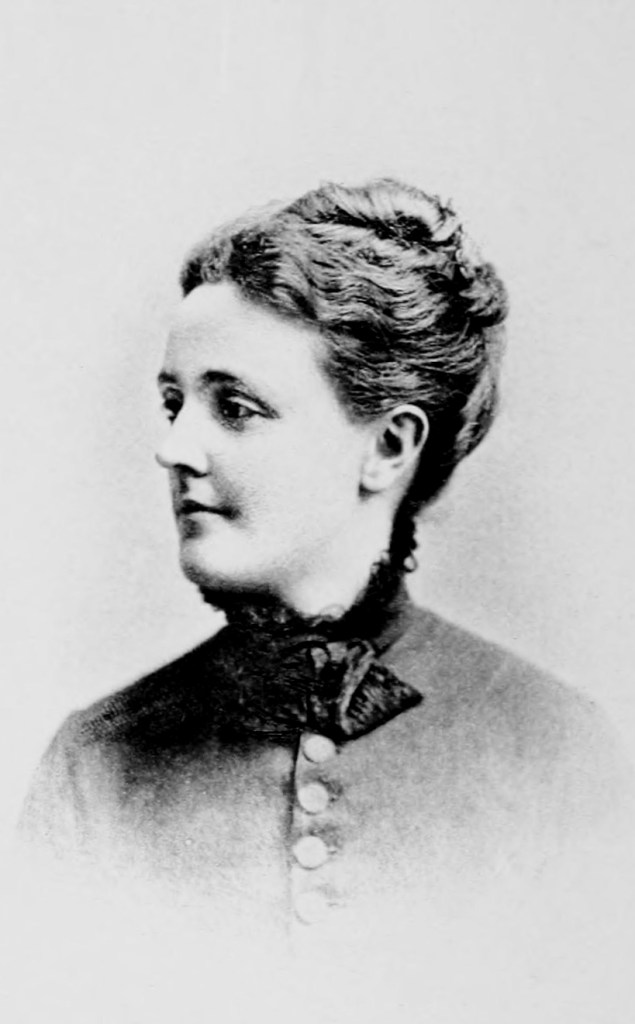
“God would not give us the same talents if what were right for men were wrong for women.”
Sarah Orne Jewett (1849-1909)
 Off The Back Porch