One of my early teachers in elementary school was a short, round and very nice lady named Mrs. Smith. She wore thick glasses that made her eyes always look to be smiling. She seemed almost ancient to me, but as a little kid most people are older than you, some much older. She was very helpful if you had a problem with the schoolwork, and would bend over your desk very close so as to guide you through your trouble. And that is when it became apparent that the only thing wrong with this wonderful, devoted teacher was…her breath. It was horrible, burning your nose and leaving a terrible taste in your mouth, or so it seemed. When she was helping other students up close you could see the different methods deployed by them to avoid it: leaning back, nonchalantly holding a hand over the nose, holding breath. I felt sort of sorry for her, and I wondered if she did not know or maybe didn’t care, but it was just something to put up with because none of us would dare tell a teacher her breath was stinky enough to “gag a maggot” as the saying went. It was not uncommon back then for students to give teachers little gifts, and one day Mrs. Smith had one sitting on her desk, wrapped in pretty paper with her name written on it. She announced she would open the anonymous gift in front us. With a smile she unwrapped the gift and there in her hands was a giant bottle of Listerine. There was some snickering and guffaws as she held it up proudly for all to see, and then gently set it back down on the front of her desk, making sure the label faced the class. She thanked us for a wonderful gift, and started in on the lessons for the day. As the days then weeks went on the bottle continued to sit on her desk where she had placed it, her breath no better, her cheerful attitude unchanged.
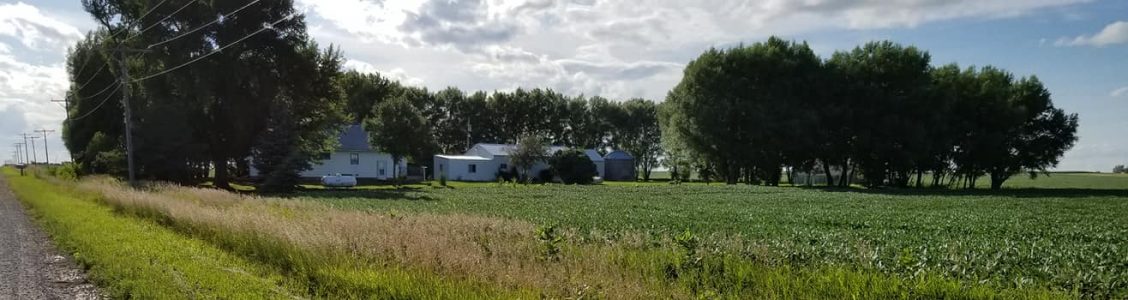
This spring so far has been a cool one. There have been a few mid 70 and 80 degree days, but not many. We finally finished picking up the sticks and branches blown down over the winter so we could mow the acreage for the first time this year. We have been having fires in our outdoor hearth and in our fire ring as much as possible when the wind is calm. There is so much kindling it will probably take all summer and fall to burn what we have accumulated. Shelly has purchased all of the plants and seeds for the freshly tilled garden but we are going to wait for the current cold spell to pass before we plant. We recently planted bulbs and sweet pea seeds along the southern end of the house and some bulbs along the side of the ditch. The farmers around us are done planting and the crops are just beginning to come up. The birds we have in most abundance around the acreage are robins, followed by finches, swallows, sparrows, grackles and starlings. There are pheasants living all around us, and at dusk we can hear them calling out, joining the chorus of robins we hear every sundown. A few days ago we had a fire in the outdoor hearth and I walked over to where the dogs had been rolling around to pick up a few sticks. Right where I was about to step was a tiny bunny, sitting so still I thought it was dead. I called Shelly over and she picked it up and it blinked and moved a bit in the palm of her hands. She took it to another part of the yard and it hopped away. The dogs walked the area where the rabbit had been sitting, sniffing, wondering how they could have missed it.
I began using DuckDuckGo as my primary internet search engine a couple of years ago after getting fed up with reading the non-stop articles about Google tracking locations, storing search histories, creating advertisement profiles, storing information about apps and all YouTube history, bookmarks, emails and on and on. From the DuckDuckGo About page: “You deserveprivacy. Companies are making money off of your private information online without your consent. At DuckDuckGo, we don’t think the Internet should feel so creepy and getting the privacy you deserve online should be as simple as closing the blinds.” I initially tried comparative searches using the two search engines and was happy with the results from DuckDuckGo. Give it a try.
Here is another Keto recipe my wife found online. (Source: Kirbie’s Cravings) We tried them and thought they were delicious.
Ingredients
3 cups shredded mozzarella cheese
2 oz cream cheese
3 large eggs divided (reserve one egg for egg wash)
1 ¾ cups superfine almond flour
1 tbsp baking powder
Topping Ideas
sesame seeds, shredded cheese or everything bagel seasoning
Instructions
Preheat oven to 400°F. Line two baking sheets with parchment paper or silicone baking mats.
In a small bowl, whisk together almond flour and baking powder. Set aside.
Add mozzarella to the cream cheese and melt slowly.
Add cheese and two eggs into the almond flour mixture and mix well.
Lightly coat your hands with oil and divide dough into 8 equal parts. Roll each dough into ropes about 1 inch thick. Form the rope into a circle and pinch the ends shut. Carefully place circle onto lined baking sheet. Repeat with remaining dough. Place 4 bagels on each baking sheet, about 2 inches apart.
Add the final egg to a bowl and whisk. Generously brush surface of bagels with egg wash. If you wish to add bagel toppings, add them at this time.
Bake one sheet of bagels at a time for about 14-15 minutes in the middle rack of your oven, or until bagels are golden brown.
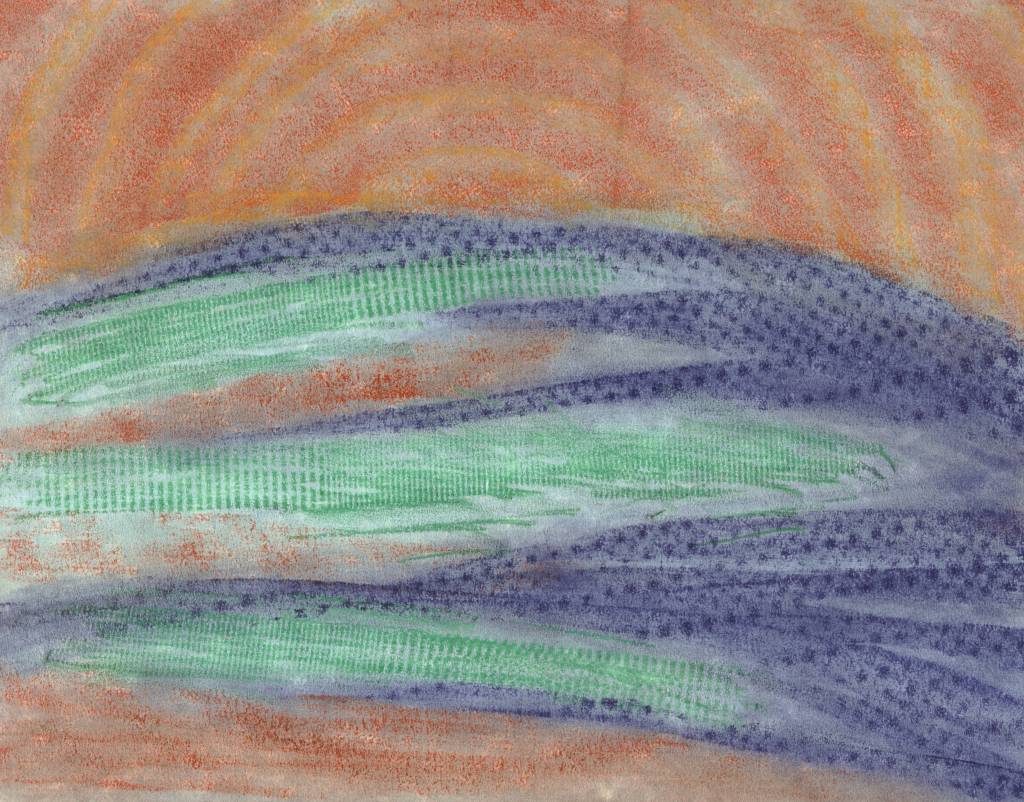
Once a month I highlight a piece of art I have created and posted on my Fine Art America site. This one is titled Mikes Glasses from the Scanner Still Life Collection.
The Biodiversity Heritage Library (BHL) “is the world’s largest open access digital library for biodiversity literature and archives. BHL is revolutionizing global research by providing free, worldwide access to knowledge about life on Earth.” They provide access to “hundreds of thousands of volumes, comprising over 58 million pages, from the 15th-21st centuries.”
Here is a brief biography of poet John McCrae, which contains a link to his most famous poem.
Science.gov “makes it possible for users to search over 60 databases, over 2,200 websites, and over 200 million pages of authoritative federal science information in many formats, including full-text documents, citations, scientific data supporting federally funded research, and multimedia.”
Frugal Village is a “frugal living community with emphasis on debt reduction, consuming less, recycling and helping each other bridge the gaps for a sustainable future.”
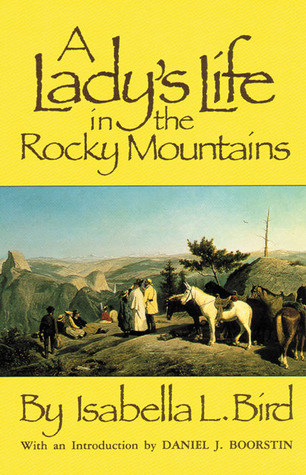
A Lady’s Life in the Rocky Mountains by Isabella Bird (1831-1904) is a book that began as a series of letters. Isabella was prompted to travel to improve her health, and she made stops in the United States, Australia and Hawaii, writing books about her travels. By 1873 she was in the US again exploring the Territory of Colorado, sending letters to her sister back home in England describing her adventures in the mountains. The letters were latter edited and assembled as A Lady’s Life in the Rocky Mountains. The book gives the reader a glimpse of life in the sparsely populated area and descriptions of the beautiful scenery as she travels by horseback through the mountains. One of the main characters she meets is “Mountain Jim” Nugent, a local hunter, trapper and “desperado.” She is both morally repulsed and intellectually attracted to the drunken mountain man who can converse with her intelligently on any subject. There may have also been a physical attraction as well, as she writes, “He has large grey-blue eyes, deeply set, with well-marked eyebrows, a handsome aquiline nose and a very handsome mouth.” She arrived in the mountains in autumn of 1873 and made her 800 mile journey by horseback into the early winter, lodging with various locals, who she describes along with the magnificent terrain. A fun and fascinating tour of the mountains and the people who lived in them at the tail end of the old west.








 Off The Back Porch