The Roundup

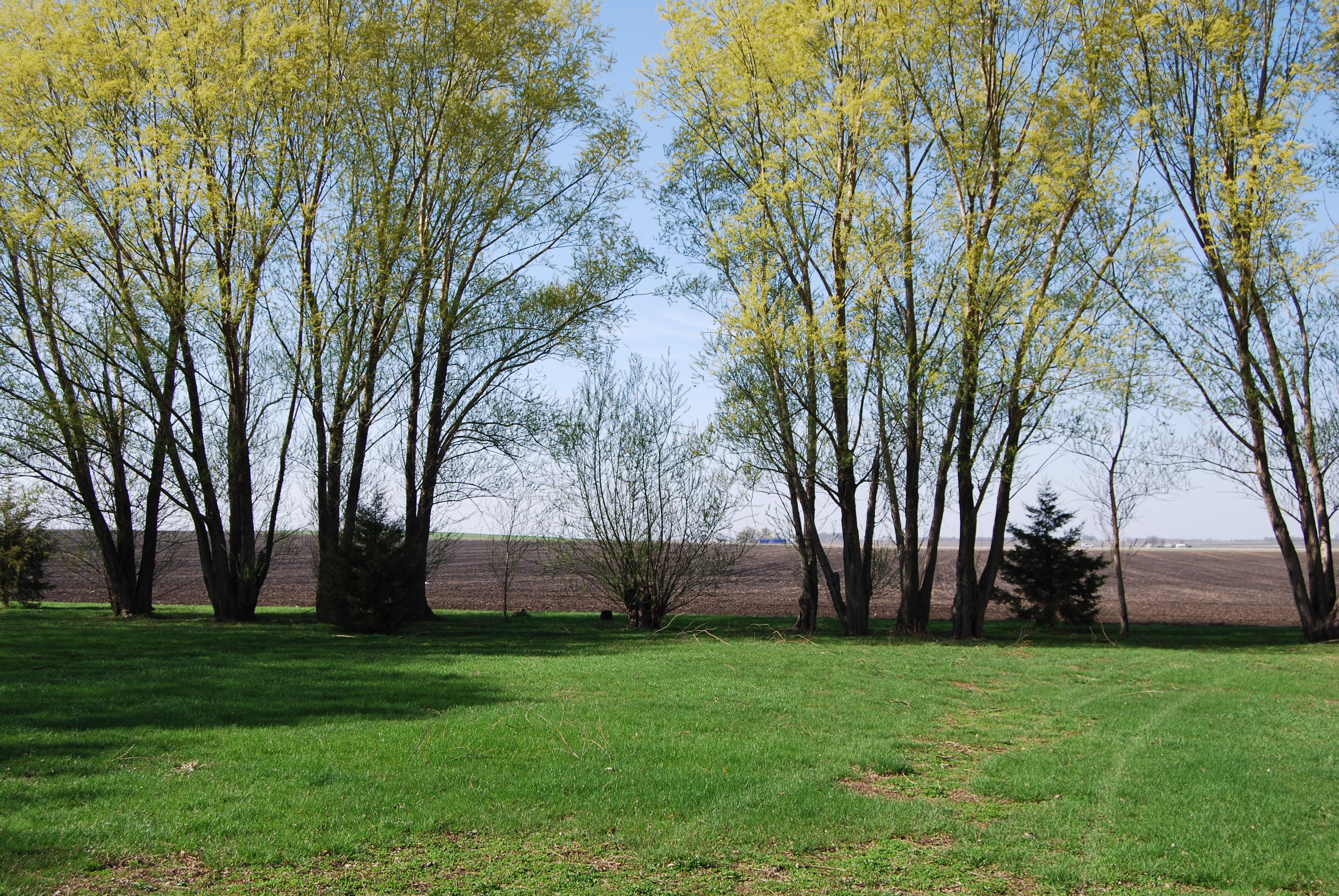
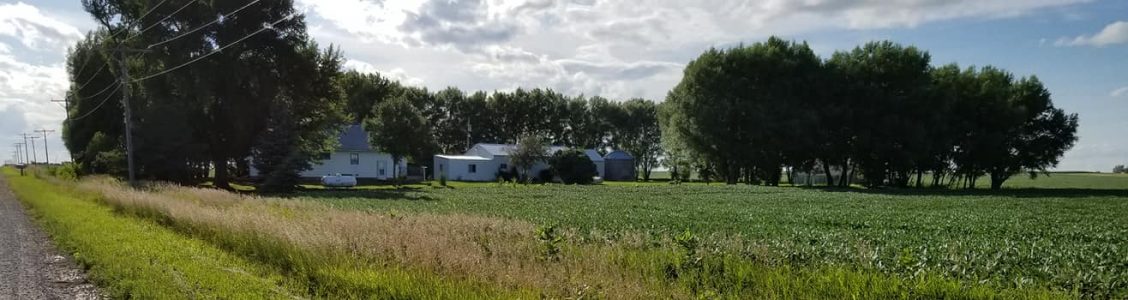
Our view to the south

Shelly joined Ibotta in 2014 and has made almost $3,000 since then getting cash back on purchases. Click here for details.

Gimp, a free alternative to Photoshop “is a cross-platform image editor available for GNU/Linux, OS X, Windows and more operating systems. It is free software, you can change its source code and distribute your changes. Whether you are a graphic designer, photographer, illustrator, or scientist, GIMP provides you with sophisticated tools to get your job done. You can further enhance your productivity with GIMP thanks to many customization options and 3rd party plugins.”

Check Unclaimed.org to “Conduct a free multi-state search by going directly to MissingMoney, the NAUPA-sponsored search engine, or search state-by-state on individual unclaimed property programs by clicking the appropriate jurisdiction on the map or drop box below. You should search in every state where you have lived.” Worth checking, you never know.

C. S. Lewis “was one of the intellectual giants of the twentieth century and arguably one of the most influential writers of his day… Lewis wrote more than thirty books, allowing him to reach a vast audience, and his works continue to attract thousands of new readers every year. C. S. Lewis’s most distinguished and popular accomplishments include Mere Christianity, Out of the Silent Planet, The Great Divorce, The Screwtape Letters, and the universally acknowledged classics in The Chronicles of Narnia. To date, the Narnia books have sold over 100 million copies and been transformed into three major motion pictures.”

Have a good weekend!
Sticks, Twigs, Branches and Limbs

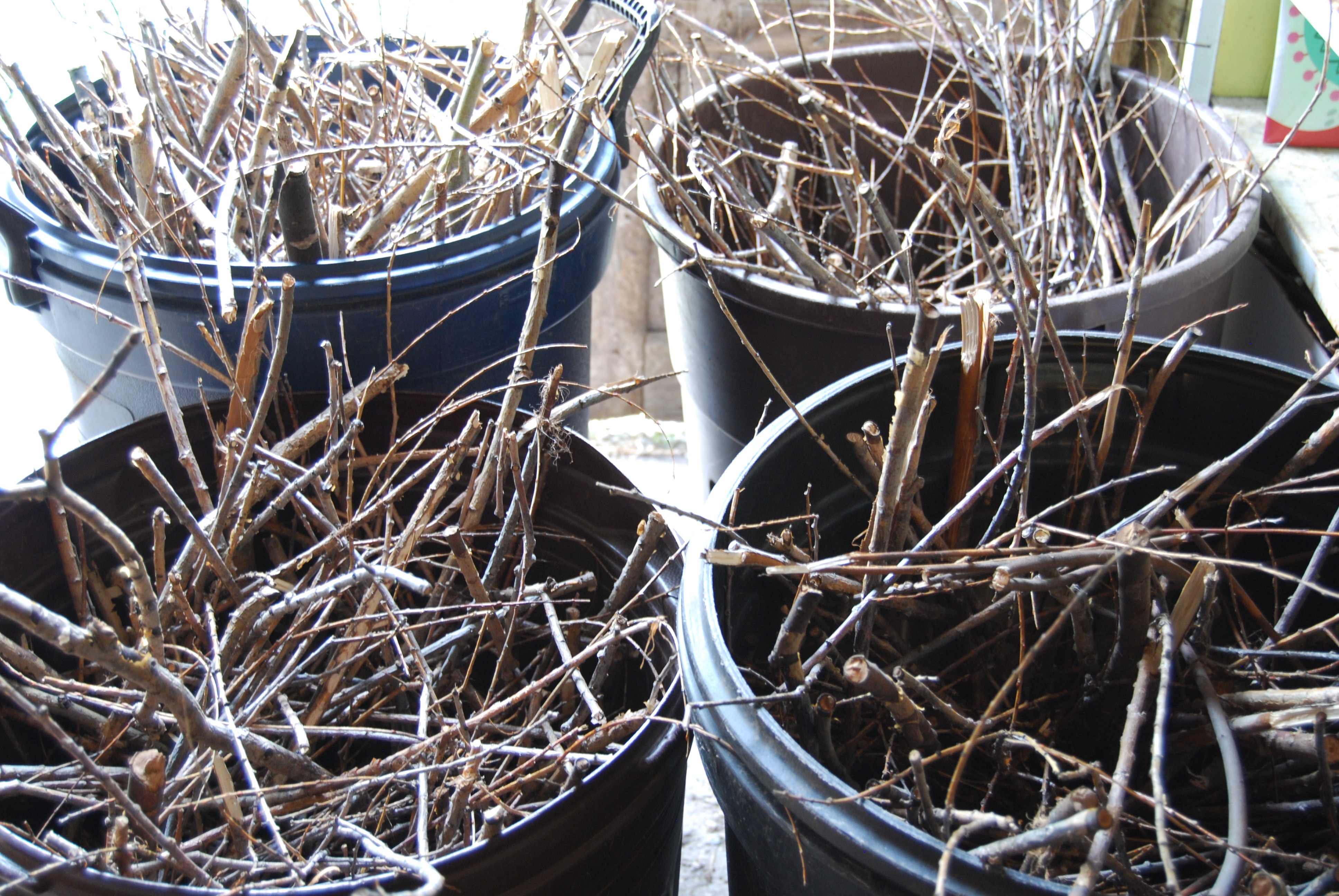
A very small percentage of the sticks we have picked up this spring

Before we could mow the grass on the acreage for the first time this year we had to pick up the wood debris that had been blown down by the fierce winter winds. The majority of the trees here are white willows, a beautiful tree that sways in the wind, until it breaks. We are nearing the end of this chore, begun several weeks ago, and totaling dozens of large garbage cans and totes full of twigs and sticks, while the larger branches and limbs are tossed onto the brick foundation where a corn crib used to be, to be cut down to size with a miter saw or a chainsaw. We have been having fires in our outdoor hearth and our stone campfire ring to get rid of the excess wood. Once the containers are empty we fill them back up in the next couple of days from a different section of the yard and have another fire. And another. When we lived in the city I carefully maintained several boxes of dry kindling in our small garage for our fires in the hearth on our deck, never dreaming that we would someday have such a surplus of wood we could have roaring fires several times a week. An embarrassment of riches, but I have followed my old habits and put up many totes of wood in the shed, and stacked wood close to the fire ring for future use. There is nothing else to do with the rest, so we have been enjoying more spring campfires than I think we ever have before.

Website Review: The Art of Manliness

Another monthly feature will be a website review.

This month the feature is The Art of Manliness. I have subscribed to the AoM newsletter for quite a few years, and have enjoyed the advice, tutorials, history lessons, reviews, and just general information about how to be a better, more complete, confident and stronger man.

The “about” page summarizes the scope of this excellent site better than anything I could write: “The mission of AoM is to get men not only reading and listening to our content, but ultimately implementing what they learn into their lives; through our articles, podcasts, books, and programs, AoM aims to help men, as Theodore Roosevelt put it, “Get action.” We seek to help men grow up well, reach their potential, become better friends, mentors, husbands, fathers, and citizens, and live a life of eudamonia — skill, flourishing, excellence, and virtue.”

Well worth your time to check it out. Don’t forget to subscribe to the newsletter!

Recipes, Cooking and Gardening

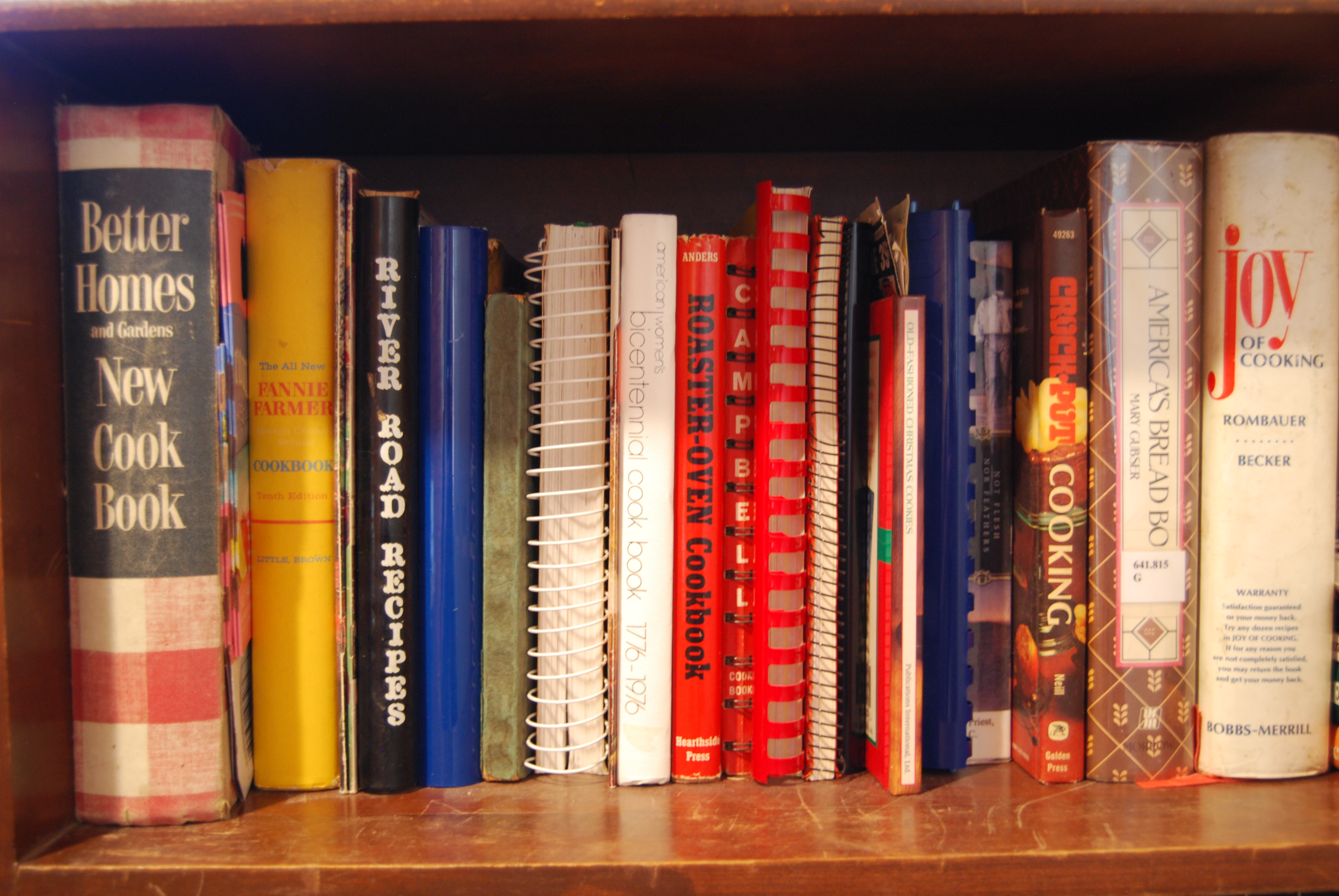
Some of our recipe books

Once a month I will share a recipe, a post about cooking or one about gardening. On a previous blog I posted around 30 of our family’s favorite recipes, so they would be archived and available for use. I won’t repeat those recipes on this blog, so here is a link to them if you are interested.

For this month I want to share a cooking tip I learned a few years back about homemade soup. I imagine most of you already know this, but for the few that might not it can really make a difference. After your homemade soup is fully cooked choose a can of cream soup that most closely parallels the type or flavor of your soup. Add the cream soup to a blender, throw in some shredded or cubed cheese and then fill the remainder with ladles of the soup you have just cooked. Blend it and then pour the contents into your homemade soup to make a thicker, cheesy version. I have also added a leftover diced baked potato or a package of instant potatoes to the blender ingredients.

Bon Appétit!

Opal Whiteley

Opal Whiteley

Over the winter one of the books I read was The Singing Creek Where The Willows Grow, The Rediscovered Diary of Opal Whiteley by Benjamin Hoff. Opal was a naturalist, teacher, writer, lecturer and traveler born in 1897 in Washington, who grew up in Oregon. She kept a diary for a number of years starting as a child and, for reasons well explained in the introduction of the book, she was eventually discredited as a fraud and slowly descended into fantasy and mental illness, spending the last 44 years of her life in a psychiatric hospital in England. The author makes a very well presented and convincing case that the hoax Opal was accused of was created and relentlessly pushed by the press and her skeptics. The bulk of the book is a segment of one of her earliest diaries, in which Opal as a charming, observant little girl describes her life among the trees and animals, family and neighbors. She endures, shrugs off and even in a way embraces various hardships and sad episodes that she records in her diary. Her numerous pets have long, elaborate names. She attempts to assist her mother around the house in what she considers a logical, helpful way that usually ends in disaster. But the crux of the diary, what Opal returns to again and again, is her love of nature. It talks to her, guides her, is all encompassing; it loves her and she returns the love. This six year old child prodigy describes her surroundings in a magical way, drawing you into her world. Her last line in the diary section of the book: “The great pine tree is saying a poem, and there is a song in the tree-tops.” Get a copy and enjoy, and the next time you are in the woods listen for the poems and songs.

The Roundup

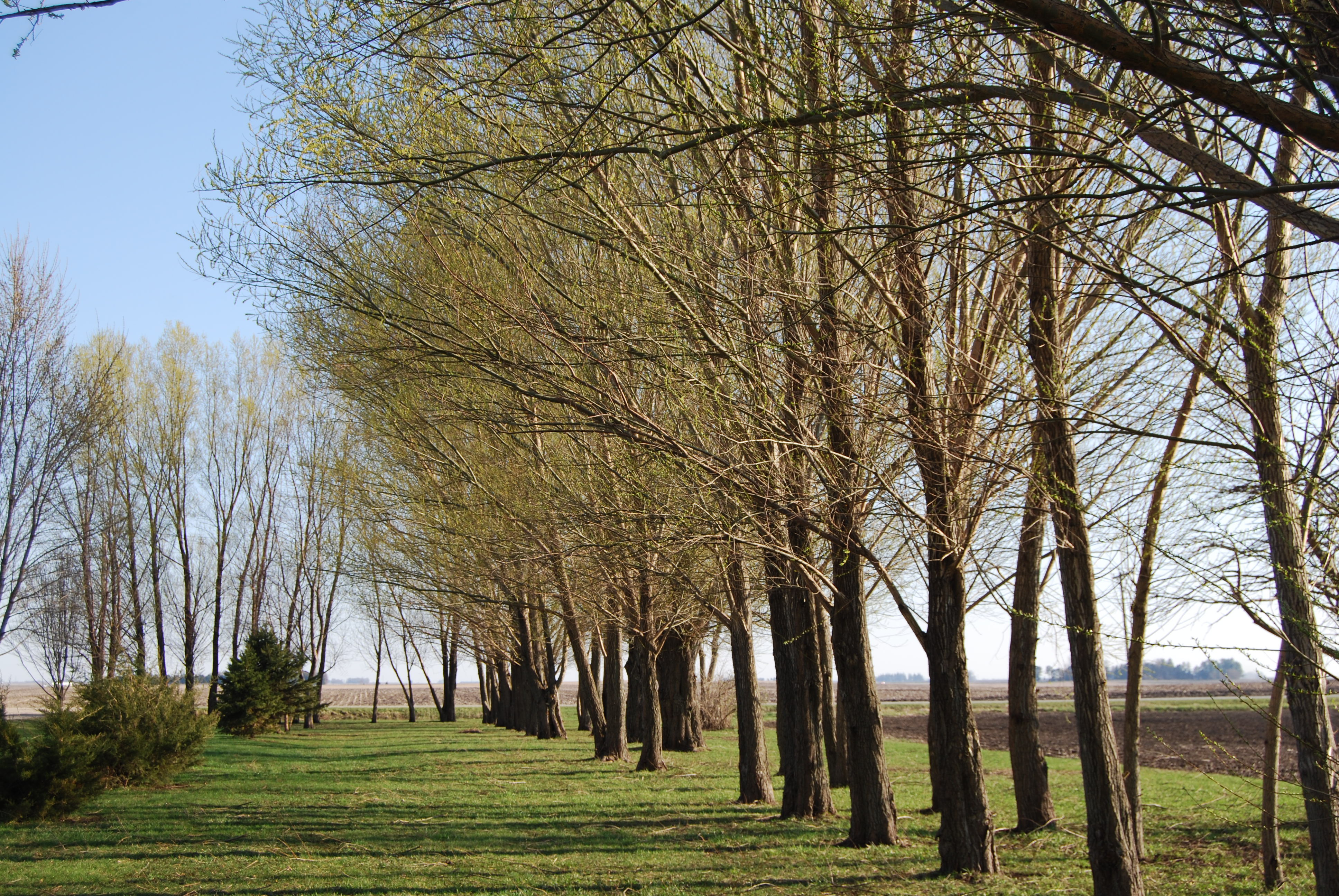
Our view to the north

With a previous blog (you can check it out here) I ran a series called the Weekly Roundup, which would link to sites I thought were useful, interesting, or both. I enjoyed sharing what I found so I am going to revive the series on this blog, but not weekly for now. Welcome to The Roundup.

Check out Family Handyman for great how to tips, do it yourself projects, videos and much more. Make sure to subscribe to their free newsletters while you are there.

Project Gutenberg “offers over 58,000 free eBooks. Choose among free epub and Kindle eBooks, download them or read them online. You will find the world’s great literature here, with focus on older works for which U.S. copyright has expired.”

The Senior List states “ Older adults and caregivers turn to our experts for objective guidance — from care alternatives to the best senior products.” Make sure to check out the Senior Discounts section. If like me you don’t qualify, share the site with parents or grandparents.

Theodore Dalrymple has been a regular read and a favorite of mine for several years now. You can read some of his essays and learn more about him here and here.

Have a good weekend!

Dreaming and Yearning

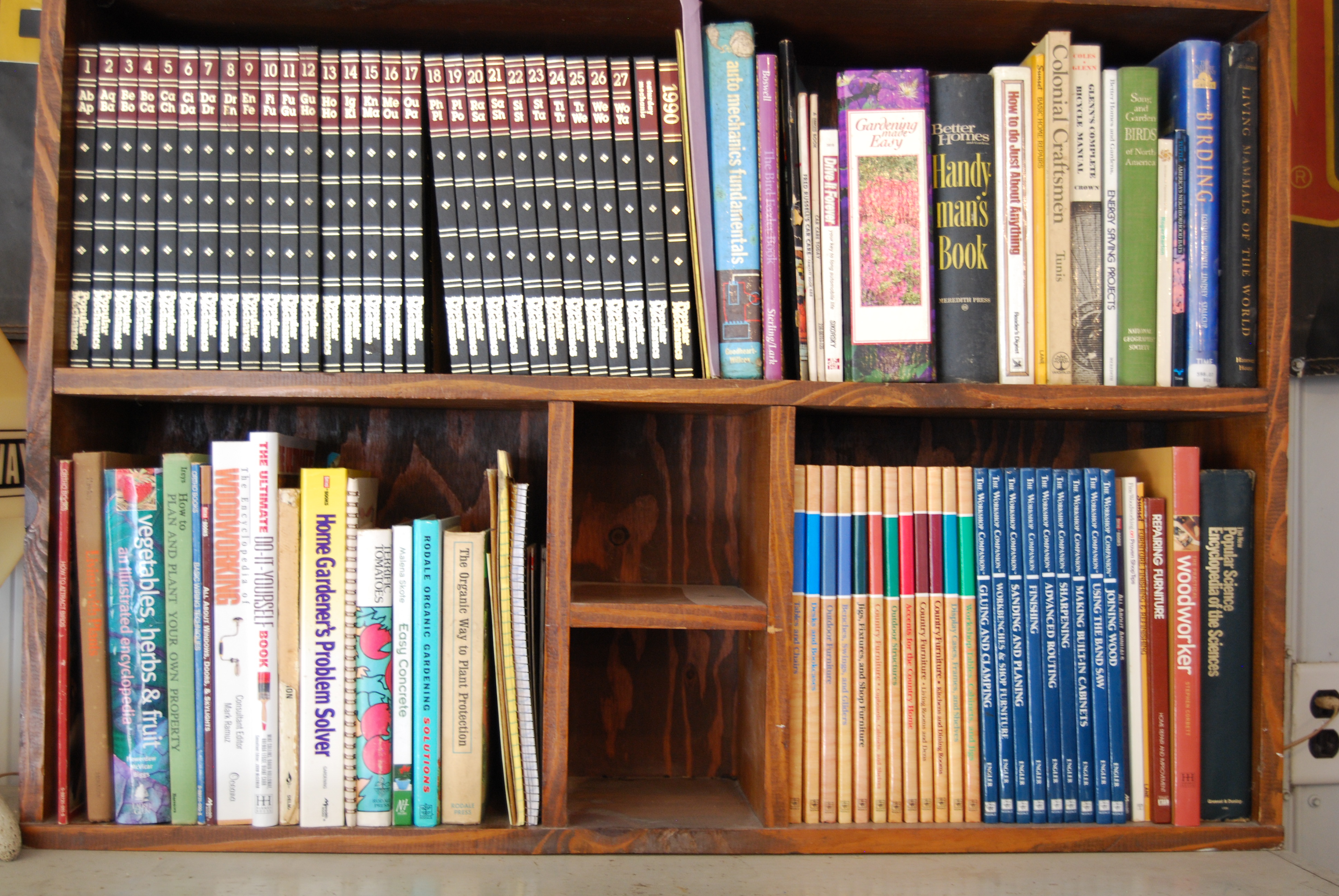
A few of the books we have collected over the years in anticipation of country living

Shelly comes from a country and small town beginning, and I am a born and bred city boy. When we bought our house in the city we settled in and raised our two kids, experiencing school events, sports, plays, scouts, friends and neighbors, family and work. Typical lives, with the same ups and downs as everyone else. Shelly was able to work from home for a few years and I worked for the same company downtown for over 18 years. The country dream came over us slowly. We gardened in our small plot under the large oak tree next to the garage, and canned and froze what we grew. We joined with some family and bought beef several times from a locker to store in our upright freezer. We built up and maintained a large pantry in the basement, including water. We cooked from scratch, and planted beautiful perennials around our yard. Over the years we amassed every kind of yard, garden and power tools we could use, and some we couldn’t, just in case. Every Sunday afternoon, weather permitting, we took the kids out to a park. Several times a year we would camp, and for a few years we would take a family vacation up north or head west. We would marvel at the wide open spaces, and the big sky at night. I kept collecting and reading homesteading, gardening, wildlife and how to books, and Shelly and I began to talk more and more about getting out of the city. Dreaming turned to yearning. Now that it has happened not everything is exactly what we expected (last winter especially) but we feel right at home here in the country.

Critters

The main critter on our acreage, our dog Marley, looking off the back porch

Maybe the most ubiquitous animals we have encountered on the acreage are mice. They nested in all of the soft camping equipment we stored in the back shed over the winter (tents, sleeping bags, blankets, pillows) and ruined some of it with their shredding, urine and feces. There seem to be two distinct types here based on their coats. One is gray and black and and the other tan and brown and larger in size. Mousetraps work well on both.

Recently I noticed a garter snake coiled between the side of the house and a downspout. I knocked it to the ground and our dog Marley picked it up in her mouth and shook it then began pawing at it. The snake stopped moving and soon Marley was walking unsteady and dripping saliva from her mouth. Shelly did what everyone does these days and whipped out her smart phone. What she found was that the dog was having an allergic reaction to either the snakes skin or its venom, or both. We forced a antihistamine down Marley’s throat and soon she was fine. When we looked for the snake it was gone.

Over the winter we had a pair of rabbits staying in the machine shed and foraging around the acreage. One day I walked up the driveway to the mailbox and there was one of them dead, with most of its insides now on the outside. Only a week later the surviving rabbit had been joined by another, and we had a pair again.

What got the rabbit probably was either the bald eagle or the chicken hawk we had seen perched on telephone poles or fence posts, or flying overhead. The chicken hawk comes and goes but I am guessing the bald eagle was only hunting in our area until the river thawed, because I have not seen it for a few months.

Marley alerted us one night to either a huge raccoon or a groundhog that she had chased up one of our light poles. By the time I had grabbed a rifle the dog had excitedly run off in another direction and the animal was gone from the pole.

One night in late autumn a thick fog had reduced visibility to around 30 feet. Two packs of coyotes, one to the south and the other southeast, began howling and yipping back and forth, getting louder as they both approached the house. I was standing on the back porch listening and soon they were close enough I thought they would appear through the fog. The tension I felt was enough that I had backed up to the door, ready to rush in, and I had already put Marley in the house. Curiosity kept me there, waiting for something to happen. It went silent, the fog drifting in the slight wind. Nothing, as if they had disappeared. Minutes went by, and not another sound from them. They were gone.

Spring

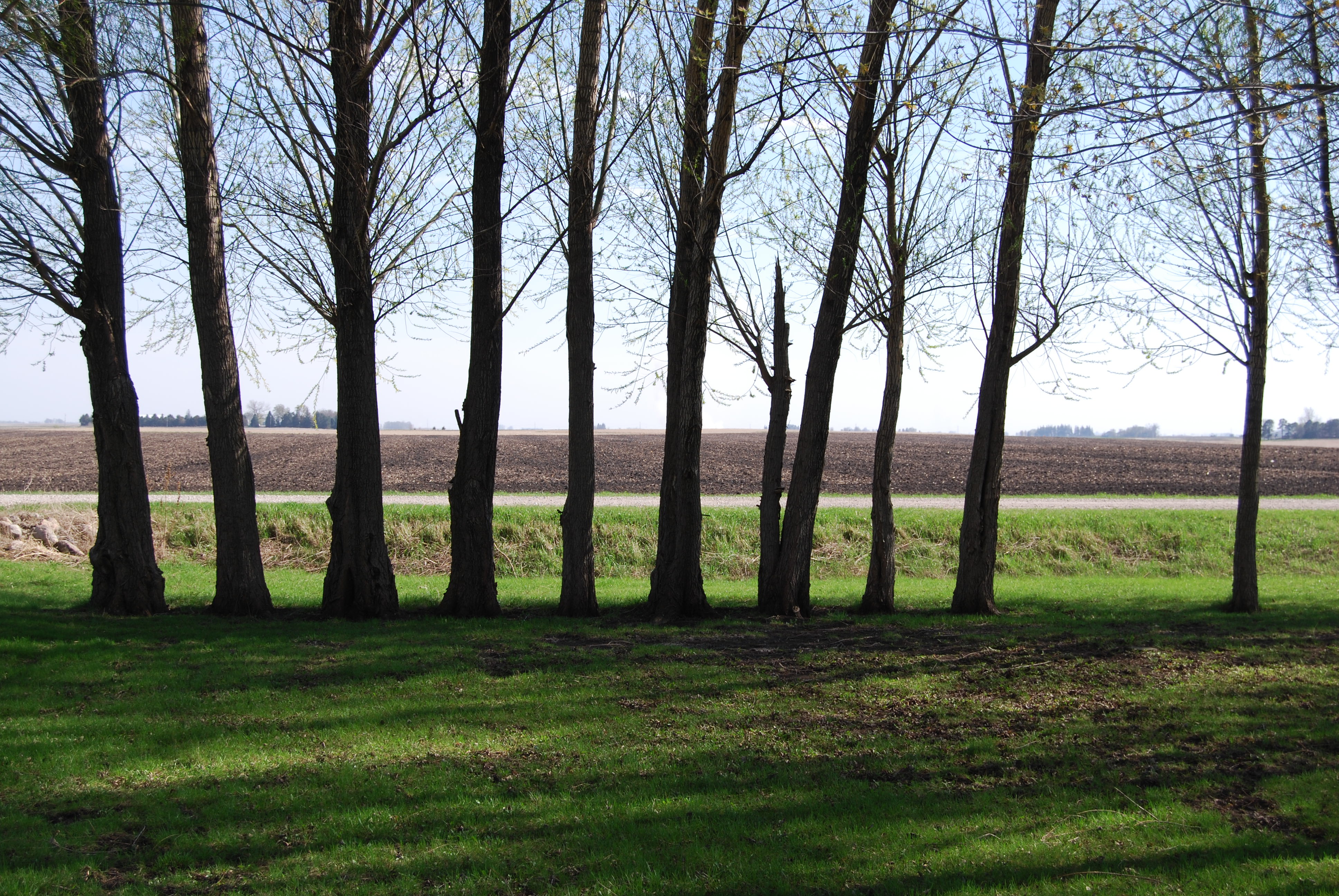
Some of our white willow trees leafing out this spring

Behold, my friends, the spring is come; the earth has gladly received the embraces of the sun, and we shall soon see the results of their love! Sitting Bull

Spring is the time of plans and projects. Leo Tolstoy

I enjoy the spring more than the autumn now. One does, I think, as one gets older. Virginia Woolf

On the first day of spring I saw the first two robins of the year on our acreage. Even though the ground was still frozen in many places, they were patiently pecking around in the ground looking for worms and grubs. The snow drifts were still large, but shrinking daily. The roads were sloppy and rutted, but passable if one took it slow where it was not too bad and fast through the soft parts. We began to see flocks of geese flying over from the south. (A favorite joke of mine when the kids were little: Have you ever wondered why one end of the V is longer than the other? There are more birds on that side.) The bird feeders have more activity around them, mostly with sparrows and finches, but I have noticed some nuthatches, grackles and mourning doves around us. The miscellaneous trees and shrubs almost all have huge buds but have not quite opened yet. The white willow trees that surround the acreage were the last to loose their leaves in autumn but the first to leaf out this spring. The fly’s and bees are slow moving on the cooler days but speed up on the warmer ones, and a couple of days ago I saw my first butterfly this year.

For every person who has ever lived there has come, at last, a spring he will never see. Glory then in the springs that are yours. Pam Brown