Summer Bugs, Sammie and Dice

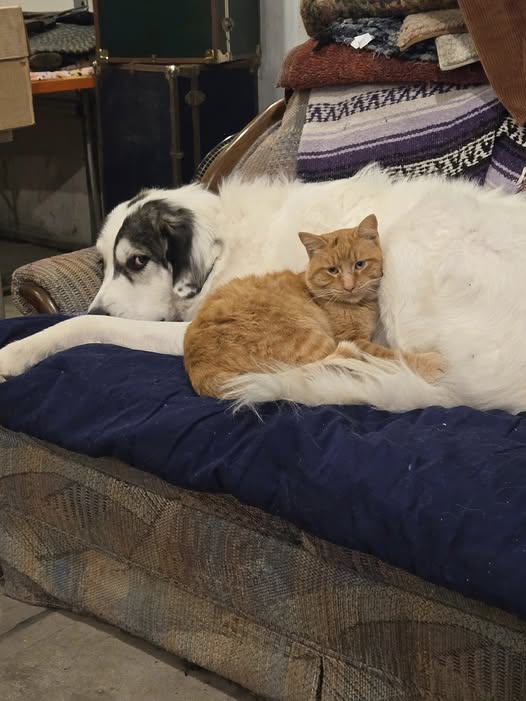
Sammie and Dice relaxing in our garage

The end of summer through fall saw infestations on our acreage of horrible, biting no-see-ums, and moths so thick at night that they could partially block the beam of a flashlight. There were the usual waves of biting flies and passive grasshoppers, with just a few toads crawling around. It was a dry early fall, then warm Indian summer.

Sammie (the cat who adopted us) had his first Tomcatting experience…during a Saturday night full moon! He showed up the next afternoon looking bedraggled and partied-out, with a gash on his nose. We can only guess. Our new dog, Dice, we fostered with his big brother Zeus. We returned Zeus to the shelter (he has since been adopted by another family) and kept Dice. Both dogs are Great Pyrenees, and two were one too many. Dice is a good boy (mostly) and gets along great with Sammie. They met as juveniles and don’t know they should be enemies.

Late fall turned cold and snowy, and so we wait like millions of other people for January and February to pass so we can enjoy a warmer outdoors again. Being cooped up does give one a chance for catching up on indoor projects, and maybe a little reflection on the year just passed and some planning for the new one at hand. Best wishes to you for a rewarding and happy new year.
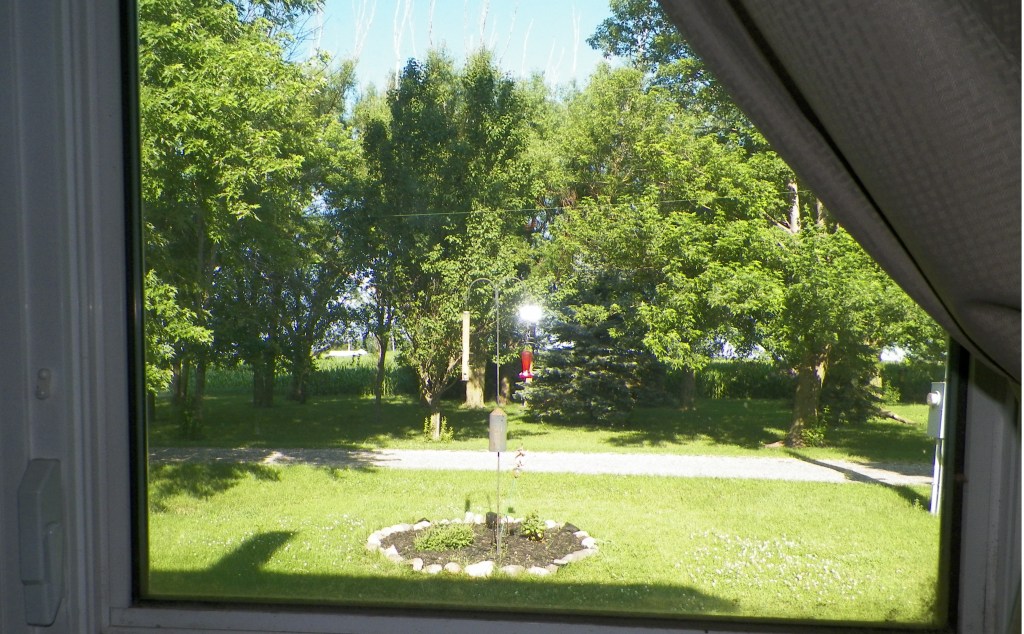

Weeds, Cats and Harvest

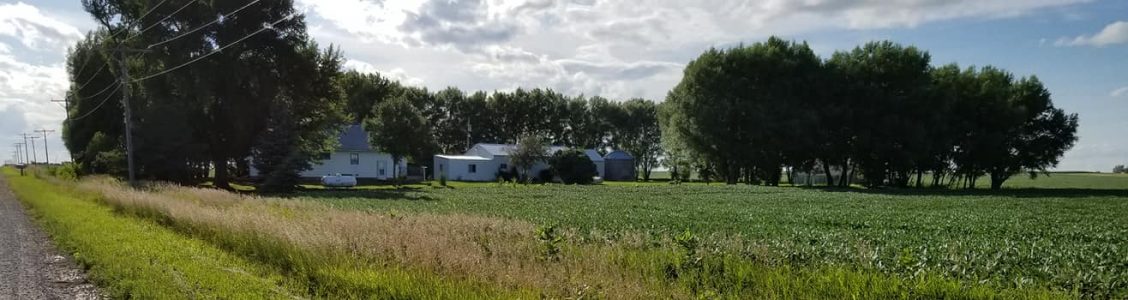
Looking west from our dinning room

The summer here in north central Iowa has seen an abundance of moths and dragonflies…and weeds. The country grass and weeds around these parts is tough, and can grow back quickly after spraying or pulling it. Shelly and I are guessing the abundance of rain this season might be the cause of the large groups of the above mentioned insects. The eclipse of moths and and flight of dragonflies have been larger and more plentiful than any previous years we have lived out here on the acreage. (for more names of groups of animals check this out.) All the rain across Iowa has also eradicated the years long state wide drought.

The feral cat situation has changed, with Sammie replacing Tom a couple of months ago. How that happened we don’t know, but are guessing it was a territorial issue between the two. Sammie started as Samantha until “her” testicles dropped and Shelly renamed it Sam Winchester.

Harvest began around us early September and many fields are infected with rust. Currently we are experiencing a warmer than normal fall in our state, which is very nice as we slowly pack things up around the acreage in preparation for the coming “W” word.

Peace With Rabbits, Tom Cat And Attacking Grackles

Tom Cat

While visiting with a local farmer during early spring he told me farmers can not start planting until April 10 for insurance reasons.

After over five years of war with rabbits on our acreage I realized there was no way for me to win. They propagate so quickly (females can go into heat the day after delivering a litter) that I can’t shoot the adults fast enough to make much of a difference in their population around here. It drops to a few rabbits, and I think I am winning, when our place is overwhelmed again. This year our flowerpots are all up off the ground and various veggies are either in raised beds or surrounded with chicken wire. The population of rabbits has seemed to have reached a pretty steady level and there is peace on the acreage, for now.

We have a feral cat living on the acreage with us currently, named Tom Cat by me. We have not seen it close enough during the day to determine if it is a male or female, and the other night I heard the crazy, loud sounds of cats mating, so if it is a Tam Cat instead there could be some kittens meowing around soon. It gets lazy if fed every night so Shelly has decided to feed it cat food only every other night, to supplement the mice and chipmunks it is killing.

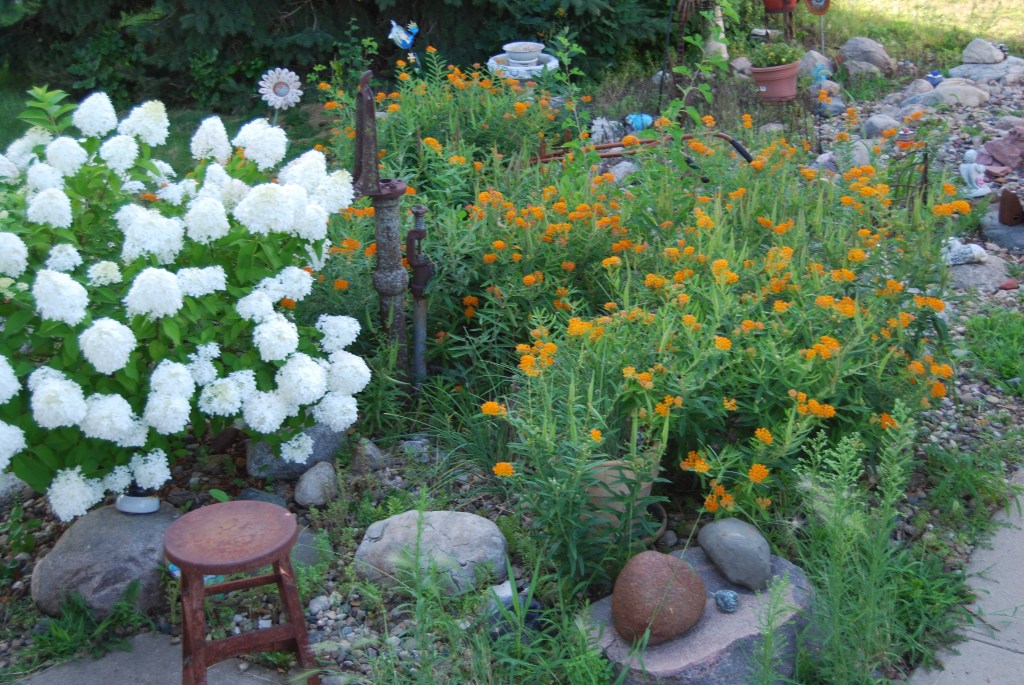
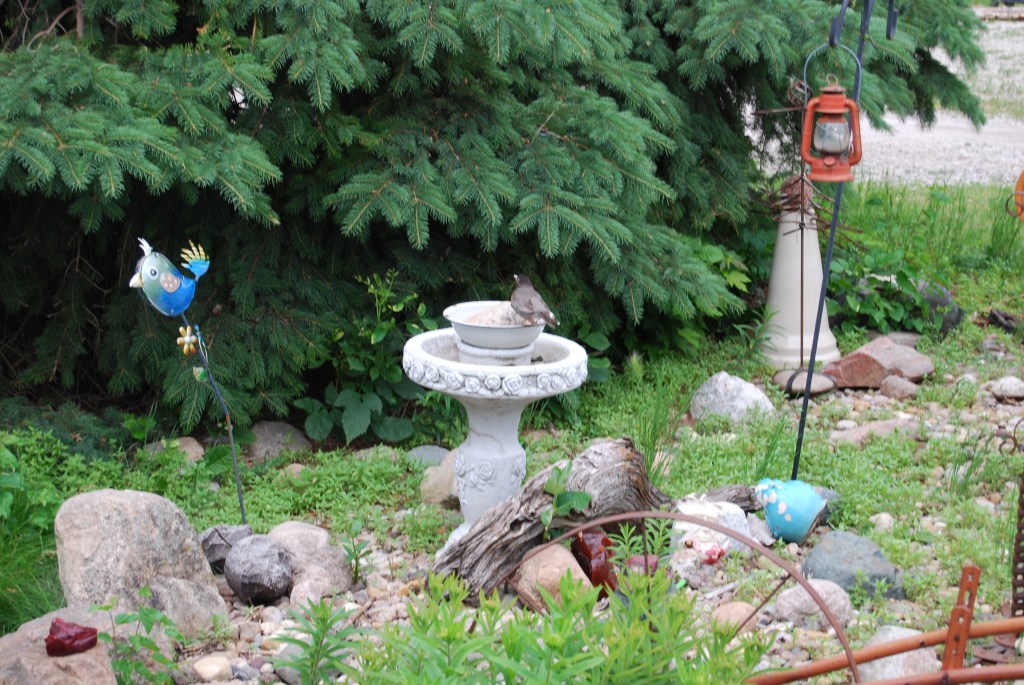
We have been sprucing up the place outdoors with pottery, pinwheels, flowers, plants, chimes, old farm wheels, etc. We have had to cut back some of the milkweed for the butterflies because it was taking over our whole rock garden.

Our inventory of birds this year includes woodpeckers, mourning doves, finches, hummingbirds, robins, blue jays, orioles, sparrows, and nuthatches. Finally, there are the grackles, who will dive bomb any squirrel they find feeding on the ground around the bird feeders. They become so obsessed with attacking squirrels they forget to eat.

Blizzards, Rabbits and Spring, Spring, Spring

Some of the winter wreckage on our acreage

Spring has finally arrived and the acreage is a beautiful mess. Beautiful because the grass is starting to green and the buds on some of the trees (the maples) are opening, and a mess because of all the tree branches (the willows) that are scattered across our property. Last spring we had family gather out here to help pick up that previous mess and we are hoping for the same help this spring.

There are the usual ton of rabbits currently hopping around the place, and I have to admit the youngsters are amusing to watch play fight with each other. Two will touch noses, seem to agree on what is about to happen next, then both jump straight up in the air at the same time. When they land together the play fight is on, with much jumping and chasing each other, which can last for awhile until they get spooked by something and run off.

We experienced both an early March blizzard and a day before spring blizzard this year. They were normal as far as blizzards go around here. I will just quote from a few weather reports following the two events: “intense low pressure system, wind gusts of up to 68 mph, whiteout conditions, travel nearly impossible, interstates and highways closed, blowing and drifting snow, drifts of 10 feet or more, more that 100 cars stuck in ditches and drifts, jackknifed semis, plows stuck, power outages, flights canceled, pea to quarter sized hail, thundersnow.”

It just makes spring all the more sweet.

Not Much

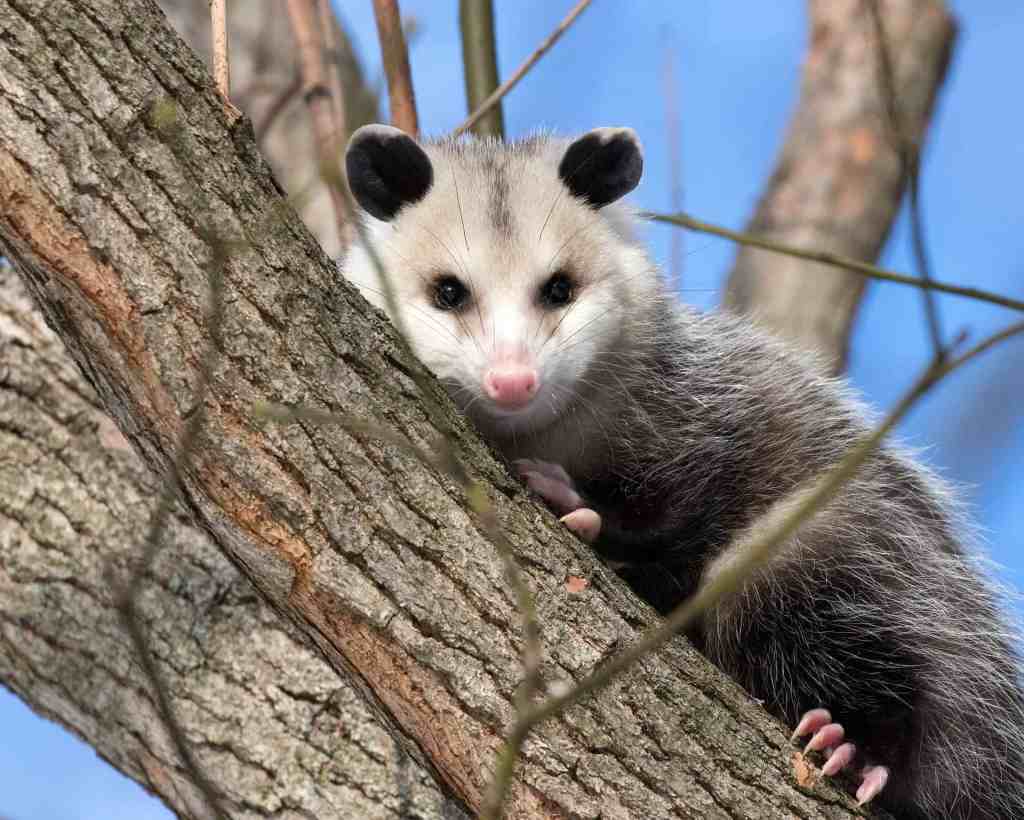
Opossum

I don’t have much of a report for the Acreage Update because I was not home for a part of last month, and nothing much happened anyway according to my wife. She spotted another opossum on our acreage, which is good if it sticks around because they eat mice. Another willow tree fell here, adding to the several already down, so there will be no shortage of both firewood and work come spring. A majority of the state is experiencing a “moderate drought” and most of us know better than to wish for precipitation during December through February, but it always comes anyway. We are keeping our eyes on the forecast and staying prepared.

First Frost, Lady Bugs and Predictions

The killing frost this autumn came in Mid-October, so that is the end of our garden this year. The garden did not produce as well as other years, the green peppers did hardly anything, the tomatoes were skimpy, while the the zucchini did okay. The last bugs to arrive were Lady Bugs, which are actually Asian beetles.

Late-October was warm enough we were able to keep the windows open for several days.

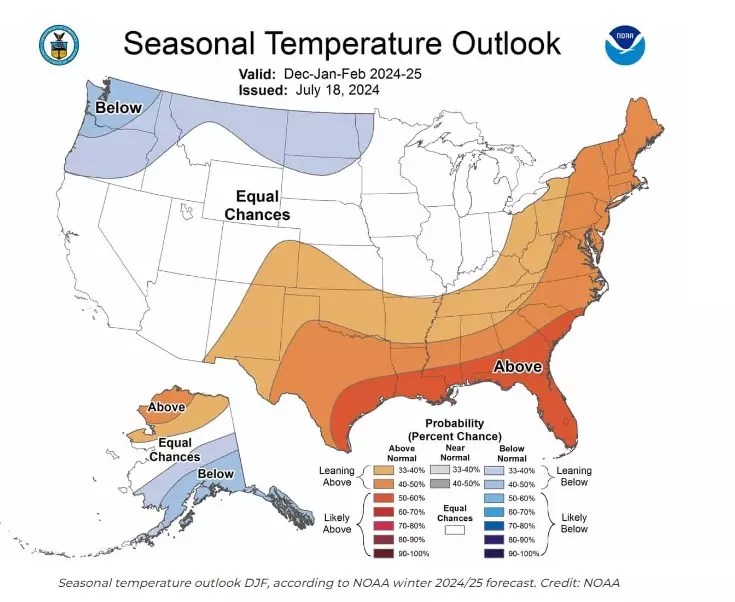
Iowa Winter Forecast 2024: It has been an abnormal year in 2024 when it comes to the Iowa weather here. We started off with back-to-back blizzards in January, had the coldest Caucus ever and we recently went through the sixth driest September on record! Iowa is in the 50/50 zone of seeing above or below normal winter precipitation this winter season. However, it says northeastern Iowa can expect above normal precipitation this season. Usually, the state of Iowa sees around 20 to 35 inches of snow during the winter months, with around 4 inches of other precipitation. On top of the temperature and precipitation predictions, the NOAA and NIDIS (National Integrated Drought Information System) also released a seasonal drought outlook.

Unfortunately, the drought is expected to persist for about 75% of Iowa through the winter season. On the other hand, it showed that a majority of southern Iowa may be out of the drought by the end of the year. So, as usual, it is about 50/50 guessing and predictions. Stay safe.

Harvest, Migrations and a Lone Coyote

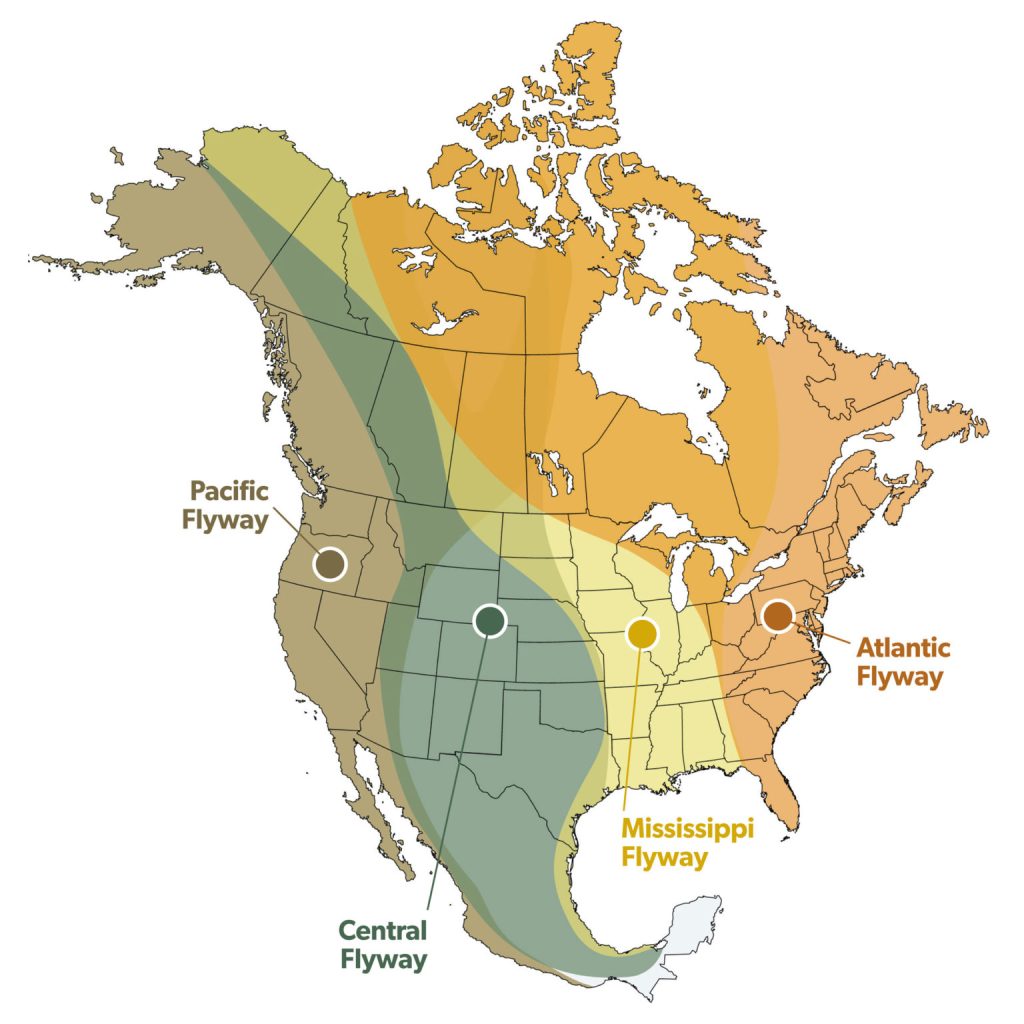
Flyways of North America

The fall harvest continues, with the dusty coming and going of combines, trucks and trailers and tractors along our gravel road. All of the soybeans around us are in, while the corn to the south of us remains for now.

Various birds began migrating over our area just a few weeks ago. I was reading a news article recently that said most fly south beginning shortly after dusk and continue during the evening hours. It said birds flying across Iowa include thrushes, warblers, flycatchers, sparrows, eastern wood-peewee, American redstart, magnolia warbler and more. I have only seen and heard geese flying over our area so far this fall.

One night recently I was sitting at the dinning room table when I heard some insistent, constant barking outside the open kitchen window. I walked to the backdoor and stepped out on the porch. The barking was coming from not too far off in the darkness of the freshly harvested soybean field to our east. The barking paused for a moment, followed by a long howl, then more barking. A coyote. This continued unabated for a good five minutes as I stood there listening. There were no replies to what seemed to be an urgent plea for attention from the animal. I could not see it the darkness, but I could tell it was not moving. Finally, I went back into the house to continue what I had been doing, but I could still hear the coyote barking and howling through the kitchen window for another half an hour. The next day it was gone, with no sign it had ever been there.

Bugs, Crops and Steve

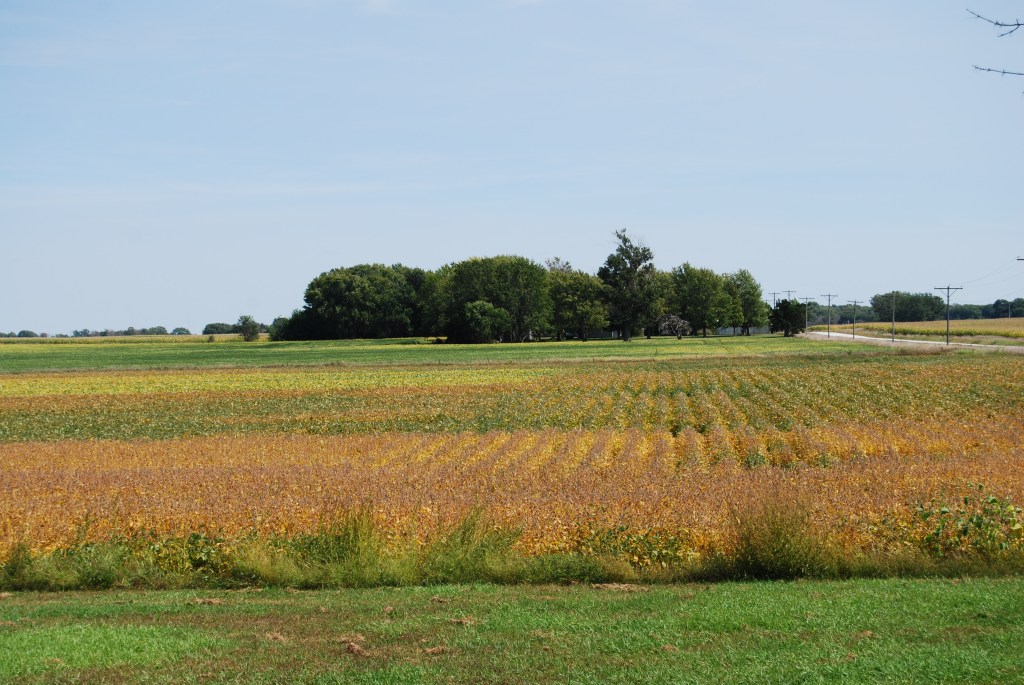
The soybean field to our east starting to turn, taken from off the back porch

The fireflies are almost all gone by now, replaced by the grasshoppers, which are about full-grown and hopping around everywhere. This has also been a bounty year for dragonflies around the acreage.

Some soybean crops around us have started to turn yellow-gold, while other patches are still green, making for a beautiful mosaic stretching into the distance. Our vegetable garden has been so-so again this year, producing a few zucchinis early and some cherry tomatoes later in the season. No green peppers.

I wrote recently about our dog Steve acquiring a taste for baby bunnies. Last week he expanded his diet even further by eating a baby bird whole that had fallen to the ground. My son and I were working out back when we both heard loud and excited baby bird chirps. We looked around and spotted Steve under a pine tree, his mouth to the ground. The chirps grew fainter then stopped when he began chewing something. Up went his head, followed by a big gulp. If he is going for a trifecta I can only guess what the next baby animal would be.

Milkweed, Fireflies, Woodpeckers and Toads

Our rock garden

Some orange milkweed plants established themselves in the rock garden last year and have spread to over half of of the rock garden this year. They seem to bloom for months at a time, and we have seen various bees and butterflies, as well as dragonflies, buzzing around the flowers. There are a variety of dragonflies: different colors, sizes and patterns on their wings. I recently read that dragonflies are predatory insects, so now I wonder if they are killing our bees and butterflies. I also just learned about damselflies, which we also have flying around the place. Maybe we have created a beautiful orange killing field. I hope not, and I will do more research on the matter.

I read an article recently that was wondering if the firefly population is decreasing or endangered. Starting in June then throughout July we could stand on the back porch looking out over acres of beans around dusk and see thousands of fireflies blinking among the crops. At least around here they seem to be doing fine.

Because we still have not taken down any of our dead ash trees we have several pileated woodpeckers nesting in holes they have drilled in them. Living in the city a property owner will remove a dead tree as soon as possible. Out here it has been interesting to see what happens when they are left up. I have read the pileated woodpeckers will not use the same hole twice, leaving them for owls or other woodpeckers to call home.

Finally, our little toads are back, enjoying the end to the drought maybe more than any of us.

Rain, Crops and Garden

One of our dozens of robins getting a drink in our rock garden

The rain has continued this spring and early summer, ending the drought here in Iowa. Our flowers and hostas are huge from the rain, bigger than they have ever been. So are the weeds, of course. A mama robin was nesting on the side of our house, on top of an internet box. She raised her chicks, and now we have a new batch of baby robins in our big pine tree by the rock garden.

The crops are the same as when we moved in, in 2018, corn to the south and surrounded by beans to the west, north and east. We don’t mind that because the beans are a lower growing crop and give up a much better view of our surroundings. All other years we have lived here we have been surrounded by corn.

The garden is doing really well, again because of all the rain. This year we planted tomatoes, bell peppers and zucchini. We also planted kohlrabi, but some critter was able slip the fence around them and eat it all.

I have to say this summer is, so far, so good.