
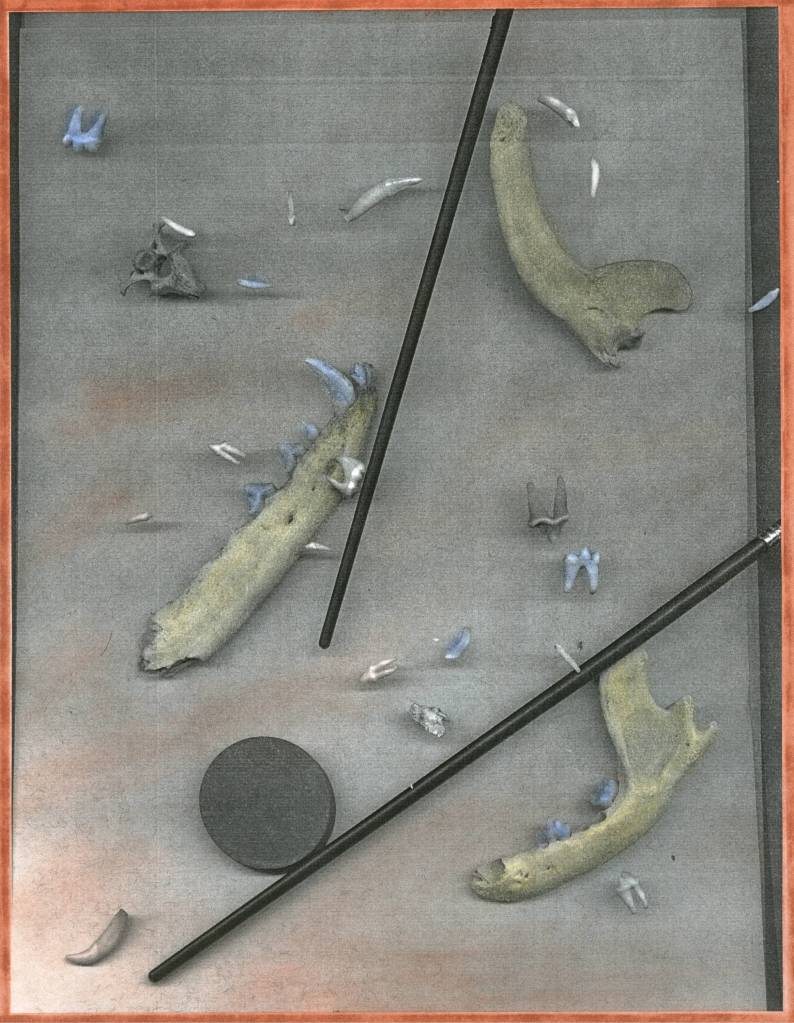
Once a month I highlight a piece of art I have created and posted on my Fine Art America site. This one is titled Bones And Teeth from the Scan Art Collection.
Once a month I highlight a piece of art I have created and posted on my Fine Art America site. This one is titled Bones And Teeth from the Scan Art Collection.
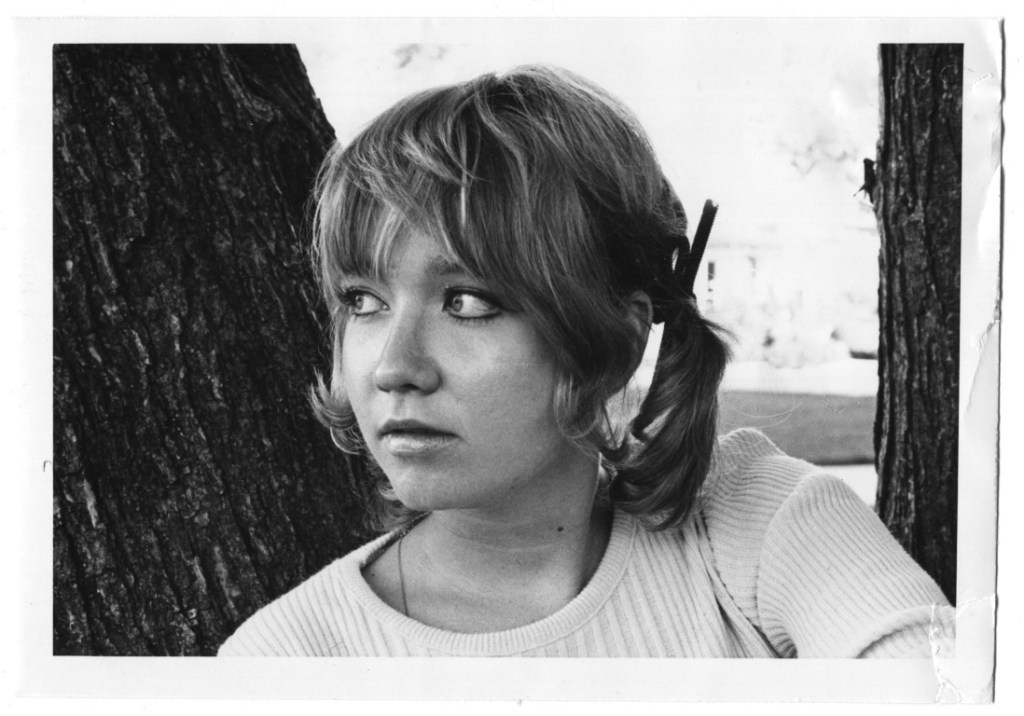
I was introduced to Ponyboy when I was in my early teens, like most people who know him. I immediately liked him and his extended group of greaser friends and family created by S.E. Hinton. I went on to meet Rusty-James, the Motorcycle Boy, Bryon and Mark. My teenage brain was a little taken aback when I found out the S.E. part of the author’s name stood for Susan Eloise. A young woman was creating these cool characters, almost all young males. It didn’t bother me or make me stop reading. When I hit my later teens and had moved on to Hemingway and Fitzgerald and the crew, I found I couldn’t resist rereading some of her books even into my twenty’s. Maybe the main reason I reread them is because the characters are so likable, which made me care about them and what happened to them. The books are mainly about relationships, and how they change. Four of her books were made into movies, two directed by Francis Ford Coppola and three featuring Matt Dillon. It is hard to adapt a well loved book into a movie that fans like, and while the movies were not awful they also did not come very close to how I imagined the characters to look, to talk, even to move. That is my fault, not mistakes by the actors or directors. I have not read Hinton’s later books, so I have no opinion on those, but I would recommend you introduce a teenager you know to at least the first three she wrote, The Outsiders, That Was Then, This Is Now and Rumble Fish. And if you haven’t read them yourself, well, there’s still time.

Wild Edible “is about merging primal roots and instinct with a passion for preparing and eating good food. It’s about foraging for wild food and medicinal plants and herbs, and it’s about locally and sustainably grown veggies, as well as humanely raised meat, and how they all mesh together to nourish and sustain our bodies and souls.”
“Since 1980, Guitar World has been the ultimate resource for guitarists. Whether you want to learn the techniques employed by your guitar heroes, read about their latest projects or simply need to know which guitar is the right one to buy, Guitar World is the place to look.”
The Creation Research Society “is independent and unaffiliated with any other organization, religious group or church body. The CRS advocates the concept of special creation (as opposed to evolution), both of the universe and of the earth with its complexity of living forms. Membership in the Society requires agreement with the CRS Statement of Belief. Members of the society include research scientists from various fields of scientific accomplishment who are committed to full belief in the biblical record of creation and early history.”
BookScouter “helps you sell textbooks and used books for the most money by comparing offers from over 30 book buyback vendors with a single search.”
When we purchased our first desktop computer in 1996 and got online it added another tool to our road trip and vacation planning, previously accomplished only with road maps and travel guide books. As the years went by I increasingly used the Internet to supplement my hard copy materials until I got to the point of starting with the Internet, then checking my books and maps. I don’t think I will ever get rid of the books because they contain information that could be hard to find online, and having a physical map is so ingrained in me I can’t imagine traveling without one. The following are several resources I have used over the years to help plan our trips.
State Maps and Guides – These are a must for me. Two drawers of a filing cabinet in my garage are full of these from past trips. Each time we go to a state for the first time, I add a new file, and the states we return to I order and add the new information. You can search for each state by typing the name and “tourism” or you can visit Free State Maps and Travel Guides. Make sure to check out other freebies on the site while you are there.
Off The Beaten Path – While most of us want to check out the usual main attractions of a given state sometimes visiting the lesser known gems can really make a vacation memorable. This series of regional travel guides have been a must for me when planning a trip. You can view the series here.
Free Campsites – If your vacation will include camping (and why wouldn’t it?) this site could help shave the budget.
Home Away – There are dozens of hotel booking sites, and everyone seems to have a favorite. Home Away is a little different in that they offer houses, condos, apartments, bungalows, cabins and cottages for vacation stays. We rented a beach house using this site on Green Bay a few years ago and it was an inexpensive and wonderful experience.
There is off the beaten path and there is oddball, and I have always liked to mix them up when planning vacations. Roadside America is an excellent guide to find “offbeat tourist attractions.”
If you want to sample some of the best food where you are headed make sure to consult Roadfood. You might want to strap on a bib to catch the drool before you visit this site.
Happy Trails!
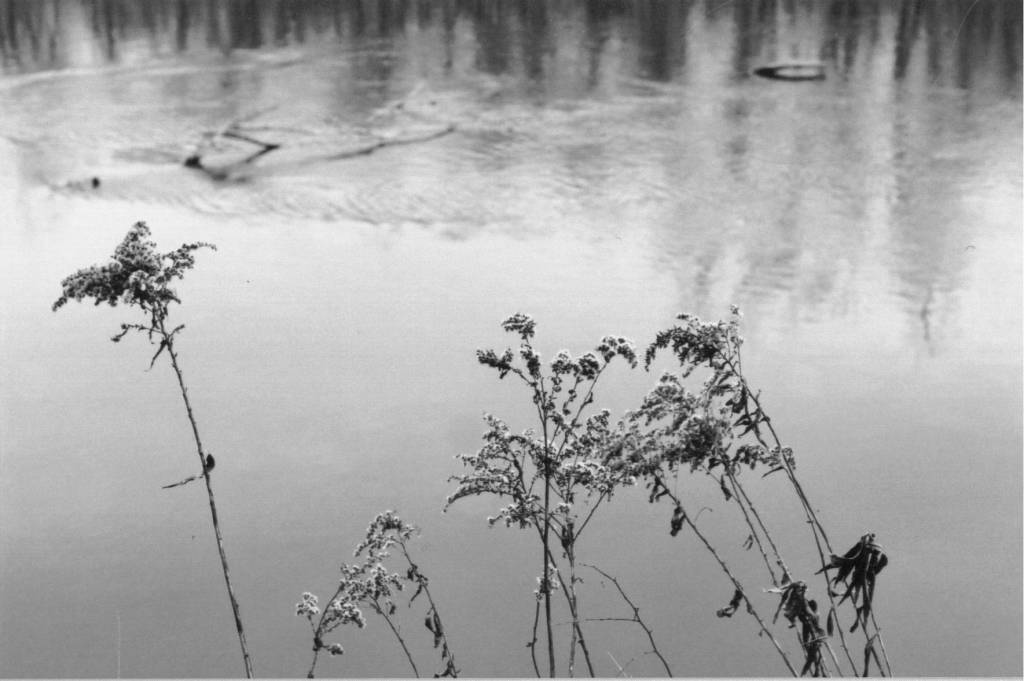
The neighborhood I grew up in is a few blocks away from the Des Moines River, on a hill overlooking the valley the river carved. The river is somewhat tame now because there is a reservoir and dam to prevent flooding in the capital city below, which works about half of the time there are the “500 year” floods. So it was to this river that we neighborhood kids fished from, swam in, boated on and roamed around. Down at the river we would endure the bugs and snakes, catch huge carp, build rafts and forts, light campfires on the sandbars, and the bravest among us would jump from the top of the train trestle into the water below. There were usually homeless people living in makeshift camps in the surrounding woods, but they never bothered us. They would come and go but the river was always there, making its way along the the same old course, trees hanging over it and the sun shining through them, coloring the water dark green in the summer. The thick cottonwood trees would shed their seeds and the wind would blow a white fluffy storm everywhere, clouding the surface of the water and covering the grass. Sometimes the river was raging in flood, other times meandering in drought. In the winter it took on a different kind of beauty, framed by the black and white of the surrounding trees and showing the hundreds of animal tracks left in the snow crossing the frozen river. The experience of growing up around water can last a lifetime, be it a creek, a pond, a river, a lake, an ocean. Whether it pools up, flows, or comes in waves, it is one of the life givers, and you know it and love it like the sun and earth and sky.
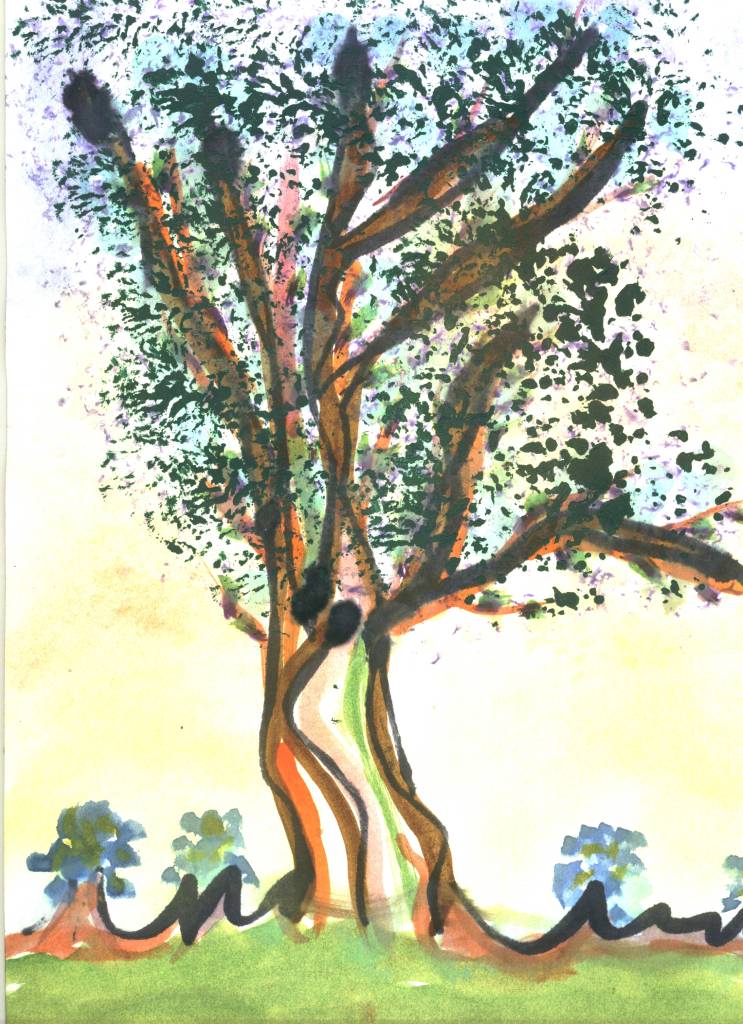
“Rest is not idleness, and to lie sometimes on the grass under trees on a summer’s day, listening to the murmur of the water, or watching the clouds float across the sky, is by no means a waste of time.”
John Lubbock
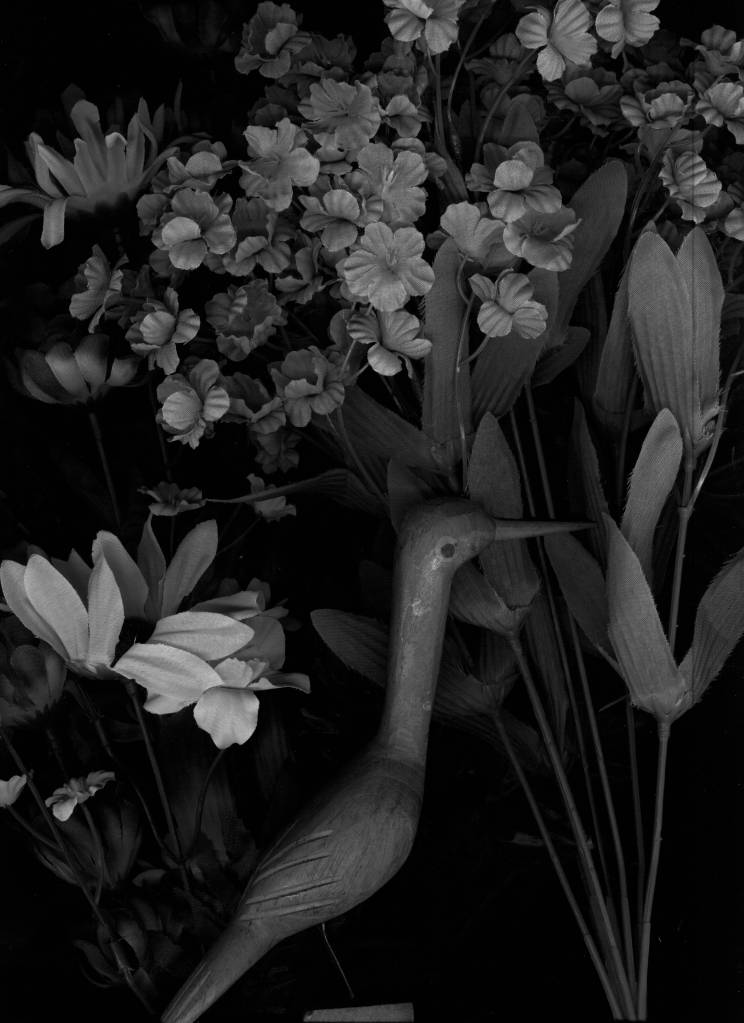
Do you remember when I
Brought the wounded bird
Into the house
You was so scared
And ran around
I took the bird out
Let it free
You was happy again
Mama
2011 By David Jacobi

I went to see the movie Joker in a small theater in a small town with my daughter on a beautiful October afternoon. I had read reviews that mentioned the right, the left, incels, mass shootings, dangerous movies, on and on. What I ended up viewing I have to admit left me a little dazed at the end, not quite sure what exactly I had just experienced. It reminded me of my reactions to Apocalypse Now, The Deer Hunter and, yes, certain Scorsese movies. Like those earlier films Joker is not an uplifting or inspirational film. No character is happy, content, or even just okay. Most everyone is miserable, which sets the overall mood of the movie. There is trash everywhere on the streets (due to a strike) and grime and dirt and darkness. Arthur Fleck lives in this hopeless world. His dreams continually fall through, every day he is humiliated, he fails at whatever he tries, and finally he decides to fight back after being assaulted yet again. Empowered by a handgun, he shoots first some harassers on the subway. His medication and therapy ended because of budget cuts, he begins to expand his killing fields to include almost everyone he knows. It is a transformation that one watches with gathering gloom and horror. Arthur becomes a killing machine, evolving from a depressed, lonely nobody into the dancing, homicidal maniac the Joker, one of the greatest comic book bad guys of all. Since show business loves handing out awards Joaquin Phoenix should be at the top of the list to receive something for his intense portrayal of Arthur/Joker. The movie is a stew of mental illness, desperation, violence, hopelessness, pathos, arrogance, faint hope, lost dreams, misery and more violence…with just a dash of humor. It is not a fun movie, but a fascinating one.
GRIT “offers practical advice, product reviews, livestock guides, gardening, cooking and other do-it-yourself information, humor and the inspirational stories of folks who moved to the country and love it. Each issue covers topics related to country living, land management, wildlife, gardening, livestock or pets, skills and techniques, seasonal food, community, machinery or tools, and lifestyle events.”
Use GoWatchIt “to discover where the movies you want to see are available on the services you care about. Keep track of your movies and receive alerts when they become available. You can also see what your friends are watching, and plan a movie night. GoWatchIt brings you the movies of your choice the way you want to watch, whether in Theaters, on DVD or Blu-ray, Online or On Demand.”
The Black Vault is “the largest privately run online repository of declassified government documents anywhere in the world. With more than 2 MILLION pages of documents to read, on nearly every government secret imaginable, The Black Vault is known worldwide for getting down to the truth… and nothing but. Every document in this archive was obtained through the Freedom of Information Act (FOIA). Begun in 1996, at the age of 15, John Greenewald, Jr., began hammering the U.S. Government with FOIA requests to obtain information. The Black Vault is the result of that more than two decade effort.”
FreeWill “is an award-winning social venture founded by graduate students at Stanford University in 2016, with the help and support of many of the world’s leading experts in law, design, and philanthropy.” Use the site to create your last will and testament for free.

The brisk fall winds have begun blowing and the first hard freeze of the season settled on us a week ago. We picked all of the bell peppers and the red and green tomatoes from the garden the day before the freeze. As I was picking them I noticed dozens of little yellow flowers on the tomato branches. If not for the weather change those plants could have gone on indefinitely. The day after the freeze the plants had obviously been killed, their branches drooping and leaves curled up. The tomatoes have been stored in the garage on a long table to ripen, if they will. We have talked about what to do with this huge bounty, and I think there will be plenty of fried green tomatoes, chili, spaghetti, goulash, homemade V8, roasted tomatoes, and anything else we can think of while they either ripen or rot. The freezer is already full, so the only other alternatives are canning or eating them. We have shared with family, neighbors and coworkers as well. Our first garden here on the acreage produced more tomatoes than we ever experienced in the city, and only seven plants were involved. The field crop harvest has finally started, but slowly. It has been a wet fall and the farmers must wait for the fields to dry out or to freeze. There have only been a few advantageous days so far when the fields become busy with harvesters, but otherwise the rain has kept them away. The sun is setting earlier at each days dusk, and the high temperatures are declining, giving a daily reminder of what is to come.
 Off The Back Porch