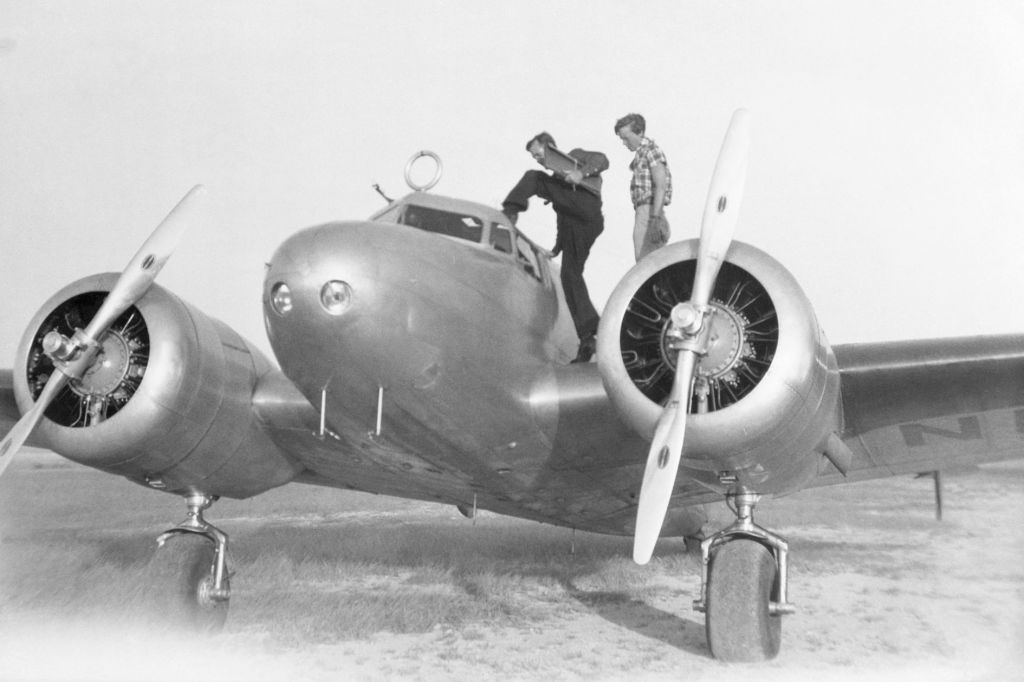
Amelia Earhart and Fred Noonan board a Lockheed 10-E Electra in San Juan, Puerto Rico, on June 2, 1937, during their around-the-world flight attempt. They disappeared July 2, 1937. What happened to them remains a mystery.
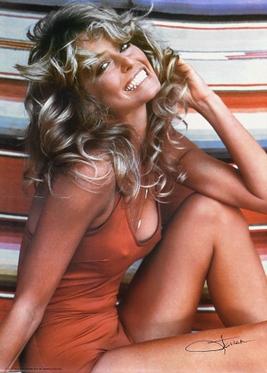
When Ryan O’Neal passed away earlier this month I was reading about some of his movies that I remembered watching years ago when I came to the part in his obituary that mentioned his long relationship with Farrah Fawcett. That made me think of the poster (above). It was everywhere in the 1970’s, Farrah in her slinky swimsuit, big toothy smile and giant hair streaming down in long curls. Sorry, Ryan, you were a very handsome man, but Farrah gets the final Image of the Month this year.
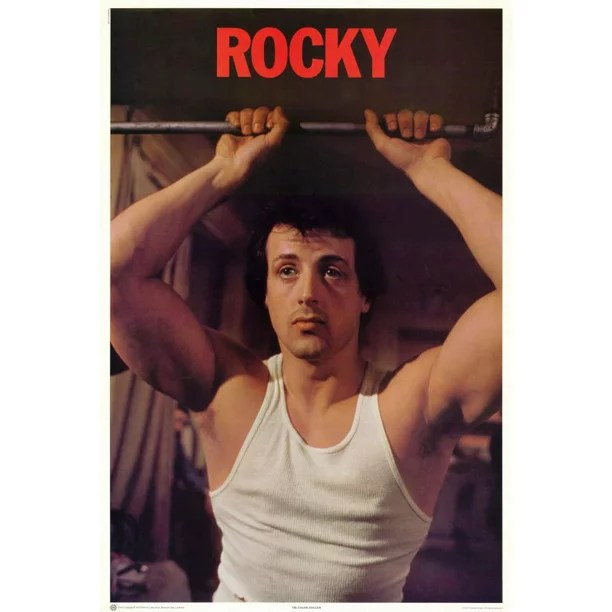
I had this poster hanging up in my bedroom as a kid, along with Pink Floyd, Led Zeppelin and several others. (Including The Fonz giving two thumbs up, Ayyyyy!) But there was nothing as cool as Rocky in 1976.
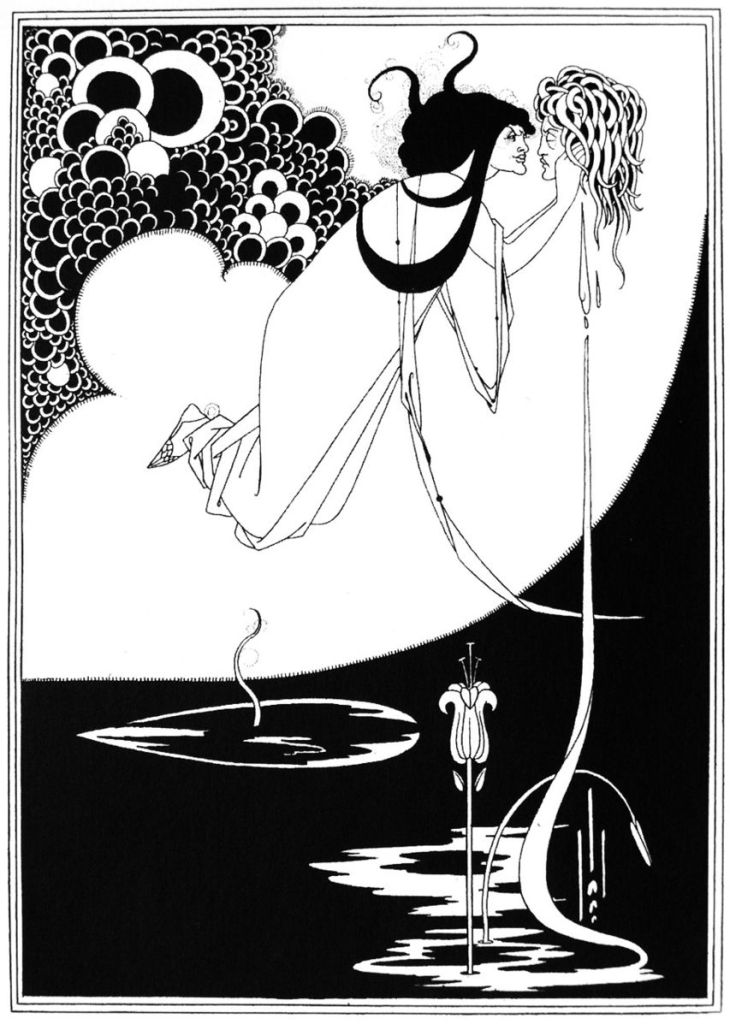
The Climax features Salome kissing the severed head of John the Baptist, and the original drawing was completed by Aubrey Beardsley in 1893, just before it was first published. It was one of many drawings that he contributed to Salome, a British publication of an Oscar Wilde play. The artwork shown here is contemporary in style, with just a few lines creating each form. The most intensive area of the composition is within a series of circles in the top left corner which contrasts with the simpler parts of the illustration elsewhere. Aside from the two figures, nearer the bottom we also find some flourishes of nature. Beardsley regularly used flowers, trees and also peacock feathers as a means to illuminate his drawings, placing elements of them around the central theme. In this case we find Salome floating in mid air, whilst holding the head in both hands. Less detail is given to her clothing than in other Salome drawings, and it is just simple white plains, with black lines which signify the rolls of material.
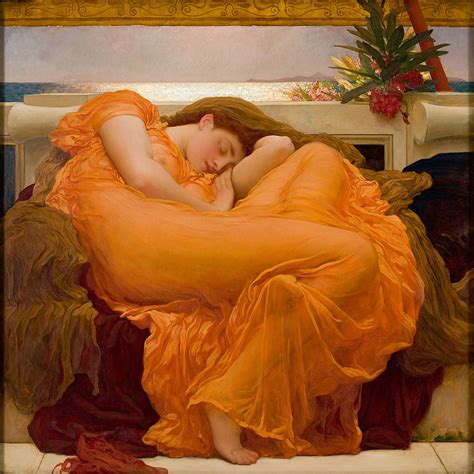
Frederic Leighton (1830-1896) created this fantastic painting, “Flaming June” (1895) at the end of his life. Many think it is his masterpiece, described by scholars as “his most uninhibited hymn to human beauty and life itself.”
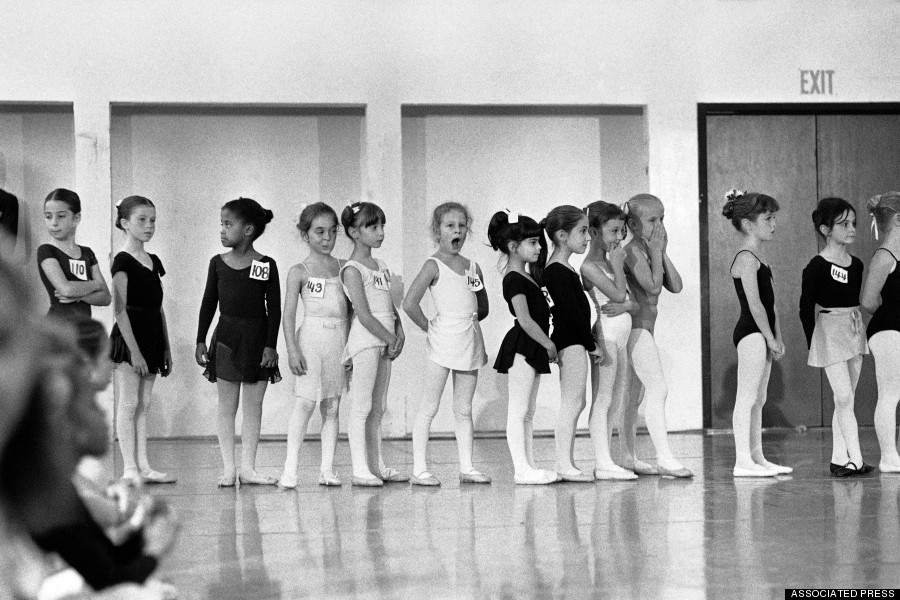
Young ballerinas show a marked contrast in concern over their auditions at the Boston Ballet School in Boston, Oct. 29, 1982. More than 500 youngsters tried out for a part in “The Nutcracker” which will be performed by the Boston Ballet in December. (AP Photo/Mike Kullen)
I recently finished an excellent book by Stephen E. Ambrose titled: Crazy Horse and Custer, The Parallel Lives of Two American Warriors.
The opening paragraph of the Introduction to the book reads thus:
“This is the story of two men who died as they lived – violently. They were both war lovers, men of aggression with a deeply rooted instinct to charge the enemy, rout him, kill him. Men of supreme courage, they were natural-born leaders in a combat crisis, the type to whom others instinctively looked for guidance and inspiration. They were always the first to charge the enemy, and the last to retreat.”
This book was a fantastic read for me, following both men through their youth and early adult years until the battle that ended them both, one on the battlefield and the other later killed while in custody.
There is, of course, no photographic documentation of the Battle of Little Bighorn while it was occurring. My family visited the battlefield several years ago. It was a running battle. The tombstones are laid out along the way, marking where the dead fell. Around a small hill are the last ones.
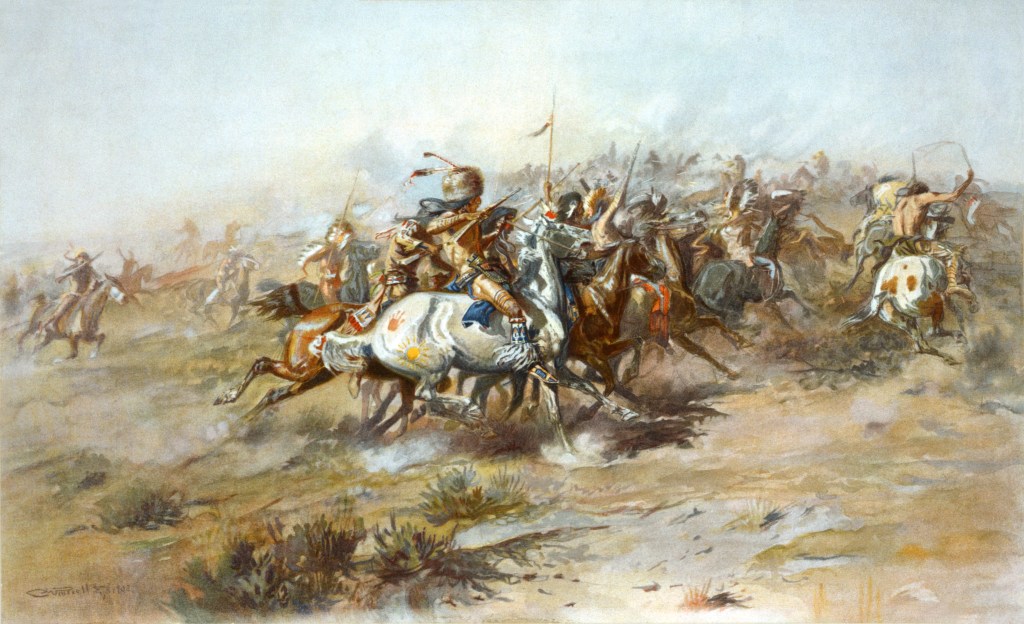
However, this painting (above) is so full of energy and action and battle that you might guess the artist was a witness. You can hear the gunfire, Indian screams and yelps, Calvary horns, horses galloping. The painting shows ponies riding full speed, Indians killing and going for the kill and Calvary holding out and shooting back to the very last man. Titled “The Custer Fight” it was painted in 1903 by the extremely talented Charles Marion Russell.