Bugs, A Heron and A Month Of Rain


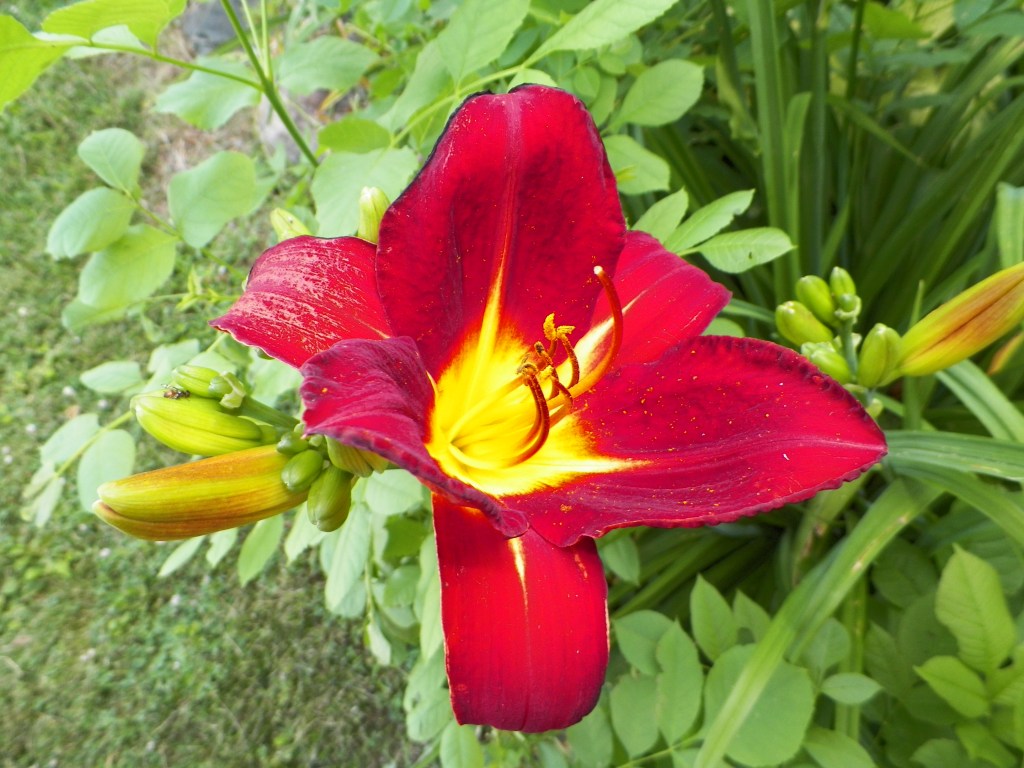
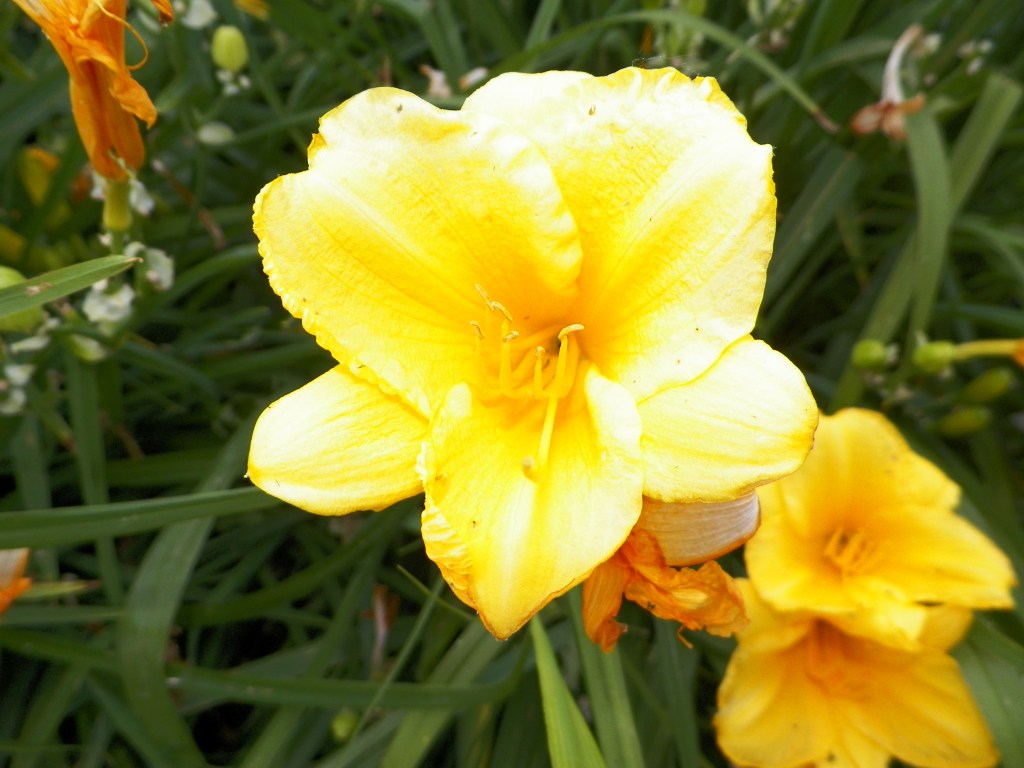
Photos: Flowers from our acreage. Daylilies above, Stellas below.


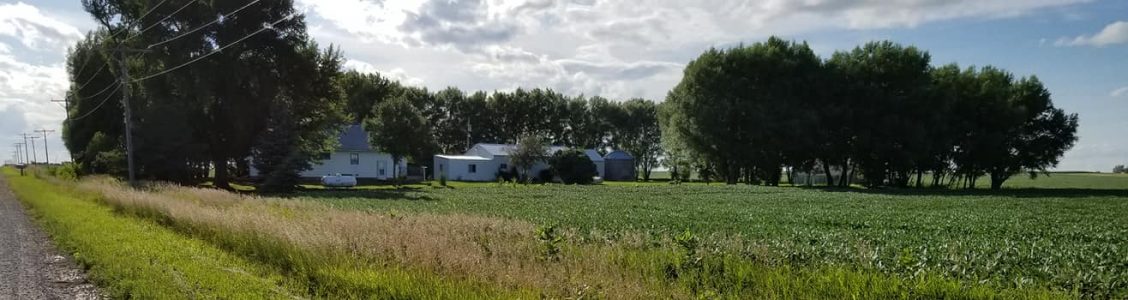
The process of evapotranspiration can cause an average acre of corn to transpire up to 4,000 gallons of water a day. There are around 23 million acres of cropland in Iowa. It was VERY humid here during July.

This season saw lots of milkweed and flowers on our acreage, but few butterflies. There seemed to be plenty of crickets, and it was so humid during early August that sometimes at night water would drip from the roof of the machine shed, in harmony with their chirping. There were plenty of moths again this year, flitting around the yard lights at night during July and August, casting oversized shadows on the grass below. During mid to late August the fireflies disappeared, to be replaced by the grasshoppers again. This replacement almost always happens the same time each year, as does the disappearance of most all of the birds on our acreage. Some of the birds reappeared during late September. During mid-September the moths started to die inside our machine shed under the florescent light that hangs over the workbench. They are unable to fly anymore, walk in circles (counterclockwise) lay on their backs for awhile, then try to walk again. The next day that small group are usually all dead, while a new batch begins to walk in circles among them. And so autumn comes creeping in before the trees start to turn.

The toads were sneaking into our garage and staying overnight sometimes. We wondered if they were going for our pets large water bowl when it was dry outside. We were visited by a heron at the end of our lane standing in a water puddle for a few minutes during a mid summer rain. Dice and Sammy (our dog and cat) are still best buds.

The corn and soybeans started turning at end of August, and now look ready for harvest, once the fields dry out. This was one of the wettest Septembers in the Iowa record books. The garden was so-so again, with some things thriving and others struggling. I am thinking of tilling a new patch next year, so the old garden can rest awhile.
Windstorm, Tree Planting and The Brothers

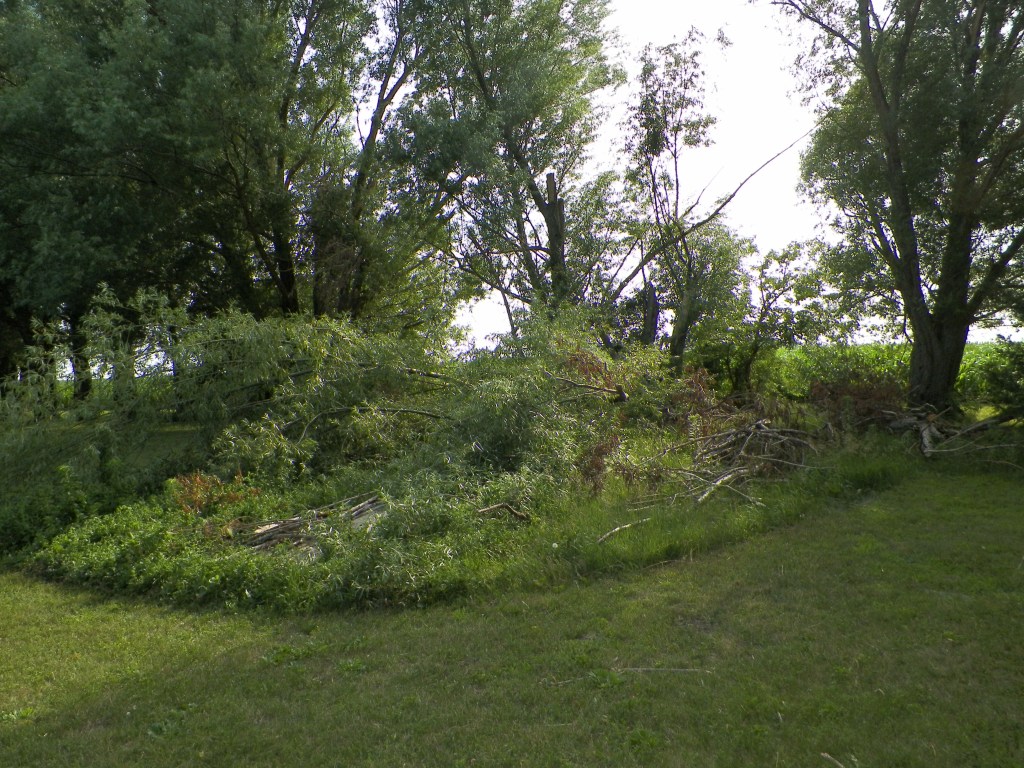
We are mowing around this section of windstorm damage until we have the time to attack it with chainsaws. It has become its own little ecosystem but attracts and holds too many bugs to keep.

It has been a busy quarter since I last wrote about our acreage at the end of March. There have been a few damaging windstorms, leaving multiple branches on the ground, along with a few entire trees. The tornado warning went off in our nearby little town during one storm, and as I walked out of the garage to head for the house I looked to the west and all I could see was a churning wall of blackness about to hit us. I instinctively stepped backwards into the garage when it hit. Soil from the fields, rocks from our lane and road and branches from our trees all crashed into our buildings at once. After the first wave I made it to the house where Shelly and I (and the dog) rushed to the basement. After around twenty minutes we emerged to a mess, inside and out. A layer of soil covered everything in our dinning room, having blown in through the western facing windows left open. Some neighbors lost trees as well, and a local barn to our east was flattened.

The crops are, of course, all planted now and the annual wall of green corn is growing up around the place. Our garden is looking good, but not producing anything yet. We planted the first layer of a windbreak to our west, consisting of pine trees and lilacs. To the east of the house we planted some apple trees, and a few other trees for shade.

We discovered toads hopping around by mid-May, and now have the usual assortment of dragonflies, lighting bugs, butterflies, moths and biting flies, all here by early June. Birds on the acreage have included robins, bluejays, woodpeckers, sparrows, wrens, orioles, hummingbirds, finches, redwing blackbirds, crows, swallows and occasional birds of prey flying overhead that cause all the others to freeze in place like statues. The planes that fly over us here on the acreage are crop dusters, experimental craft/kits and Piper types. Jets are rare enough that they make one look up as they pass over.

Finally, we still have the two brothers with us, Sammie the cat and Dice the dog. They have grown up together and are best buds. When I am outside working they will follow me from project to project, both finding a shady spot to observe, supervise and nap.